THE ADVENTURE COLLECTIVE® · Independent discovery and booking for outdoor travel

A single-day, private tour that pairs an Egyptologist-led visit to the Giza Pyramids and Valley Temple with a one-hour quad-bike desert safari and short camel ride. Expect 5–6 hours of walking, riding, and panoramic views of the three Great Pyramids.
A single-day, private tour that pairs an Egyptologist-led visit to the Giza Pyramids and Valley Temple with a one-hour quad-bike desert safari and short camel ride. Expect 5–6 hours of walking, riding, and panoramic views of the three Great Pyramids.
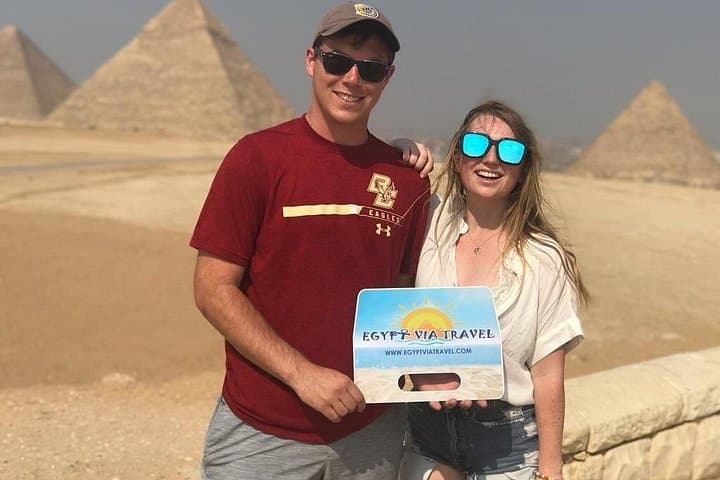
You come out of Cairo’s haze and the plateau opens—sand underfoot, wind picking up dust, the three Great Pyramids rising like carved geometry against the pale sky. The air smells faintly of diesel and spice from nearby streets, then of sun-warmed stone as you close in on the Sphinx and the Valley Temple.
Verified experiences and guided adventures in the surrounding area.
Operated by Egypt Via Travel · Giza, Giza Governorate
You come out of Cairo’s haze and the plateau opens—sand underfoot, wind picking up dust, the three Great Pyramids rising like carved geometry against the pale sky. The air smells faintly of diesel and spice from nearby streets, then of sun-warmed stone as you close in on the Sphinx and the Valley Temple.
This is the Giza Plateau: a place of Old Kingdom funerary architecture and hard-living desert geology. The limestone ridges beneath your boots are part of an uplifted shelf that sheltered the builders’ quarries; nearby the Sphinx bears centuries of restoration and weathering that narrate Egypt’s layered history. Local guides—often qualified Egyptologists—explain funerary rites, the Valley Temple’s role in mummification, and how the pyramid complex functioned in a broader Nile-centered culture.
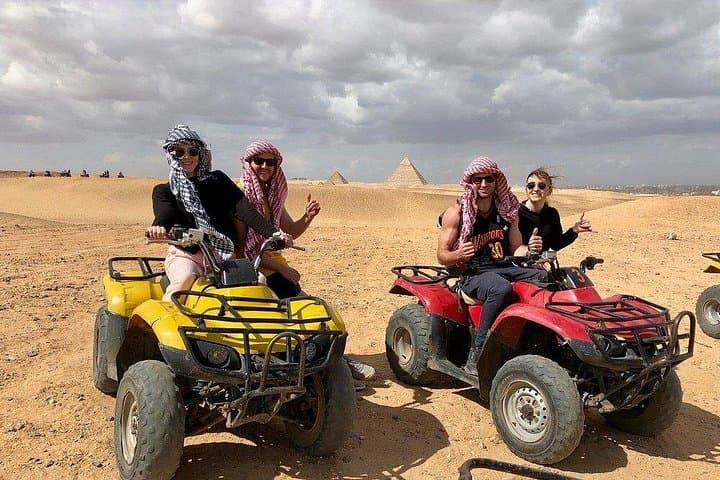
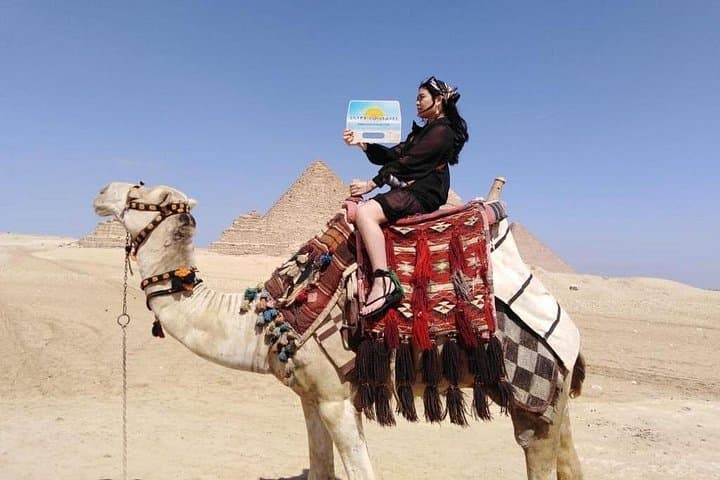
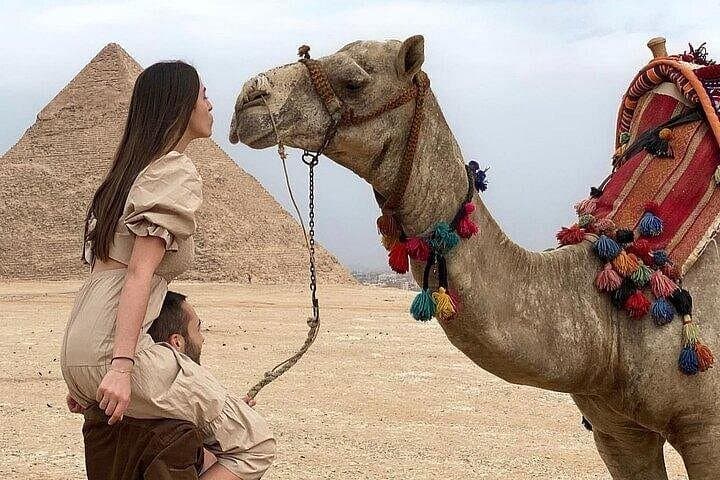
After the cultural tour you switch modes: a guided, one-hour quad-bike loop around the pyramids gives perspective—flat desert plains, wind-swept ridgelines, and panoramic views of Cheops, Chephren and Mykerinus. A short camel ride folds a slower, older rhythm into the day before a local restaurant lunch (drinks not included) and return transfer.
Practical notes: expect 5–6 hours total; wear closed-toe shoes, sun protection, and layers for morning or late-afternoon wind. The quad section requires basic balance and attention; helmets and briefing are provided by operators. Best times are early morning or late afternoon for cooler light and fewer crowds. Bring water, a camera with a secure strap, and a small tolerance for dust—this is an archaeological site and active desert all at once.
moderate.
5–6 hours.
Suitable for people in fair to good health who can walk short distances on uneven ground and manage light outdoor activity.
Yes; operators supply helmets and a safety briefing before the quad segment—always wear the helmet and follow the guide’s instructions.
Children can typically join, but age restrictions vary for driving a quad; younger kids may ride as passengers—confirm minimum ages with the operator when booking.
The tour usually includes transfers, a qualified Egyptologist guide, entry to the Giza site, a one-hour quad ride, a camel ride, and lunch; drinks are often excluded.
Photography is permitted around the Pyramids and Sphinx, but some interior tomb areas or special exhibitions may restrict photos—follow posted rules and guide directions.
The Giza Plateau was developed during Egypt’s Fourth Dynasty (c. 2613–2494 BCE); the Valley Temple played a role in purification rituals tied to royal burial practices.
The site faces erosion, urban encroachment, and tourism pressure—respect barriers, avoid climbing monuments, and use local guides who support regulated visitor access.
Egypt Via Travel operates guided outdoor trips and adventures with an emphasis on safety, stewardship, and memorable experiences.
You come out of Cairo’s haze and the plateau opens—sand underfoot, wind picking up dust, the three Great Pyramids rising like carved geometry against the pale sky. The air smells faintly of diesel and spice from nearby streets, then of sun-warmed stone as you close in on the Sphinx and the Valley Temple.
You come out of Cairo’s haze and the plateau opens—sand underfoot, wind picking up dust, the three Great Pyramids rising like carved geometry against the pale sky. The air smells faintly of diesel and spice from nearby streets, then of sun-warmed stone as you close in on the Sphinx and the Valley Temple.
This is the Giza Plateau: a place of Old Kingdom funerary architecture and hard-living desert geology. The limestone ridges beneath your boots are part of an uplifted shelf that sheltered the builders’ quarries; nearby the Sphinx bears centuries of restoration and weathering that narrate Egypt’s layered history. Local guides—often qualified Egyptologists—explain funerary rites, the Valley Temple’s role in mummification, and how the pyramid complex functioned in a broader Nile-centered culture.
After the cultural tour you switch modes: a guided, one-hour quad-bike loop around the pyramids gives perspective—flat desert plains, wind-swept ridgelines, and panoramic views of Cheops, Chephren and Mykerinus. A short camel ride folds a slower, older rhythm into the day before a local restaurant lunch (drinks not included) and return transfer.
Practical notes: expect 5–6 hours total; wear closed-toe shoes, sun protection, and layers for morning or late-afternoon wind. The quad section requires basic balance and attention; helmets and briefing are provided by operators. Best times are early morning or late afternoon for cooler light and fewer crowds. Bring water, a camera with a secure strap, and a small tolerance for dust—this is an archaeological site and active desert all at once.