THE ADVENTURE COLLECTIVE® · Independent discovery and booking for outdoor travel

Combine ancient monuments with hands-on desert thrills: explore the Giza Pyramids and Sphinx, take an ATV across rippled dunes, ride a camel, shop local markets and finish with a Nile dinner show. This private full-day tour pairs historical depth with active adventure.
Combine ancient monuments with hands-on desert thrills: explore the Giza Pyramids and Sphinx, take an ATV across rippled dunes, ride a camel, shop local markets and finish with a Nile dinner show. This private full-day tour pairs historical depth with active adventure.
You arrive on the Giza Plateau with the sun low and the stones throwing long shadows — the three great pyramids rise from a sheet of ochre sand while an ATV's engine hums like a distant promise. The day moves between contrasts: slow, deliberate strides beside a camel and the sharp, sandy spray of a short off-road run that lets you feel the desert push back.
Verified experiences and guided adventures in the surrounding area.
Operated by Egypt Sunny Tours · Giza, Giza Governorate
You arrive on the Giza Plateau with the sun low and the stones throwing long shadows — the three great pyramids rise from a sheet of ochre sand while an ATV's engine hums like a distant promise. The day moves between contrasts: slow, deliberate strides beside a camel and the sharp, sandy spray of a short off-road run that lets you feel the desert push back.
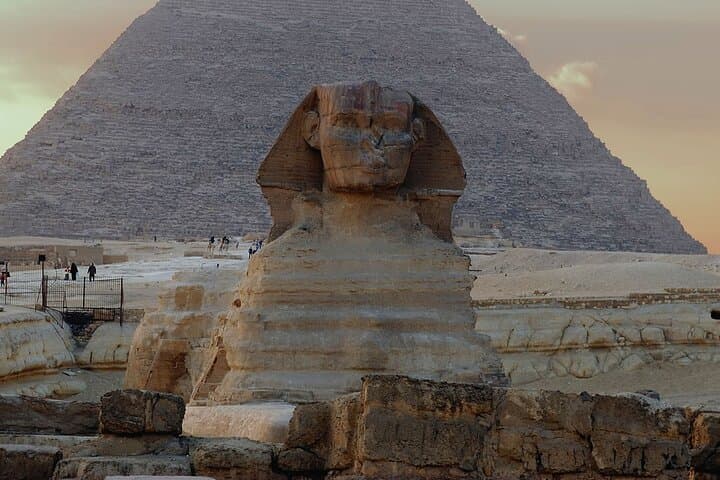
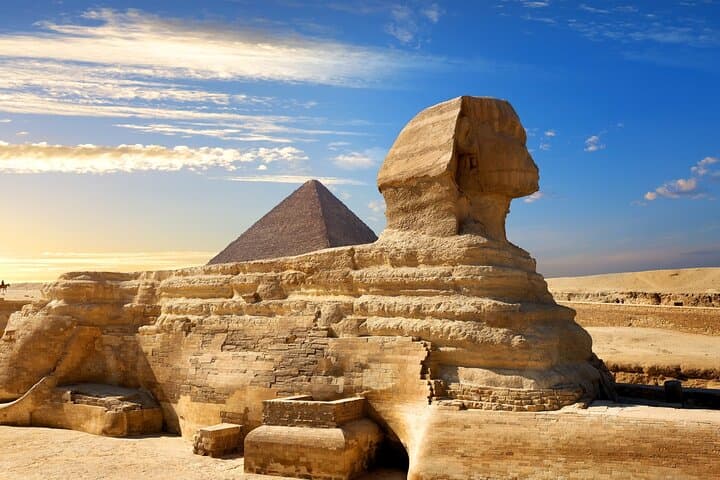
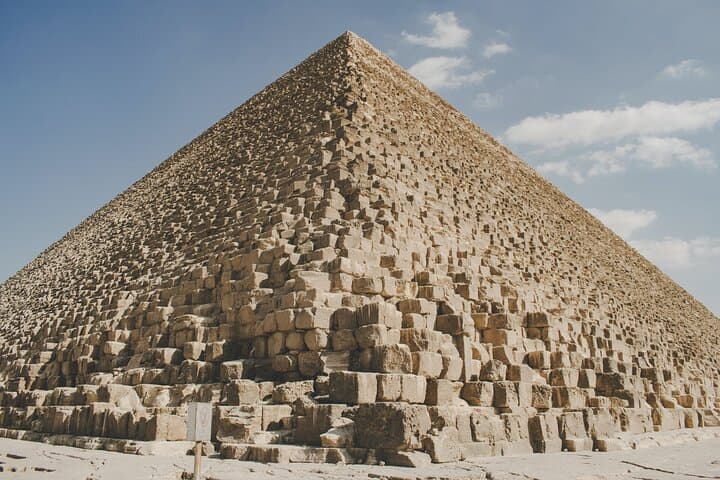
This stretch of limestone and wind-sculpted sand was the necropolis of Egypt’s Fourth Dynasty, where tombs for Khufu, Khafre and Menkaure anchor a landscape shaped by quarrying, ancient engineering and millennia of desert erosion. The Great Sphinx keeps its watch nearby — a carved guardian whose human face and leonine body speak to ritual and royal authority.
Culturally the trip threads the old with the lived present: camel handlers and local artisans operate next to modern tour services, and the day typically finishes afloat on the Nile, with food and music folding modern Cairo into the ancient view.
Practical side: expect a 5–6 hour outing with repeated short walks across uneven ground and sandy tracks (hundreds of metres at a time). Surfaces range from packed plateau limestone to soft dune sand; elevation change is minimal but footing can be unstable. Wear closed-toe shoes for ATV sections, bring at least 1.5–2 L of water, sun protection and a scarf for dust. Plan morning or late-afternoon slots to avoid peak heat. Guides provide instruction for ATVs and handle logistics; be prepared to bargain gently in markets and to keep cameras charged for striking light on stone.
moderate.
5–6 hours.
Suitable for travelers who can walk several hundred metres on uneven ground and tolerate heat; not strenuous but active.
Most private tours include transport and guide time at the plateau but do not always include entrance fees to climb interior chambers — confirm with your operator before booking.
The tour is marketed as suitable for all fitness levels, but children and seniors should be able to walk short distances and handle bumpy ATV rides; inform the operator of mobility needs.
Smart-casual is typical — light layers for the boat and modest clothing for daytime temple visits; some venues may be more formal for dinner.
Many parts of the Giza site and boat services offer accessible options, but terrain around the pyramids is uneven; check accessibility specifics with your provider ahead of time.
The Giza Plateau is the Old Kingdom necropolis where monumental pyramid construction peaked in the 4th Dynasty; the Sphinx likely bears the likeness of Pharaoh Khafre.
Tourism pressure and wind erosion threaten exposed surfaces; stick to marked paths, avoid touching carved stone, and support guides who follow responsible-site access practices.
Egypt Sunny Tours operates guided outdoor trips and adventures with an emphasis on safety, stewardship, and memorable experiences.
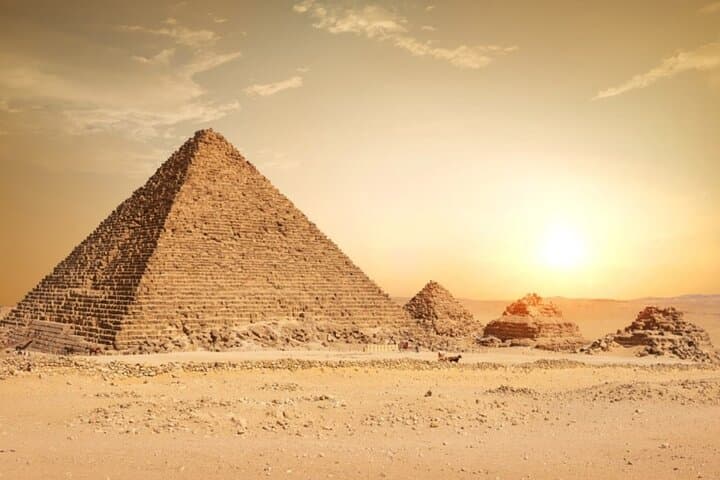
You arrive on the Giza Plateau with the sun low and the stones throwing long shadows — the three great pyramids rise from a sheet of ochre sand while an ATV's engine hums like a distant promise. The day moves between contrasts: slow, deliberate strides beside a camel and the sharp, sandy spray of a short off-road run that lets you feel the desert push back.
You arrive on the Giza Plateau with the sun low and the stones throwing long shadows — the three great pyramids rise from a sheet of ochre sand while an ATV's engine hums like a distant promise. The day moves between contrasts: slow, deliberate strides beside a camel and the sharp, sandy spray of a short off-road run that lets you feel the desert push back.
This stretch of limestone and wind-sculpted sand was the necropolis of Egypt’s Fourth Dynasty, where tombs for Khufu, Khafre and Menkaure anchor a landscape shaped by quarrying, ancient engineering and millennia of desert erosion. The Great Sphinx keeps its watch nearby — a carved guardian whose human face and leonine body speak to ritual and royal authority.
Culturally the trip threads the old with the lived present: camel handlers and local artisans operate next to modern tour services, and the day typically finishes afloat on the Nile, with food and music folding modern Cairo into the ancient view.
Practical side: expect a 5–6 hour outing with repeated short walks across uneven ground and sandy tracks (hundreds of metres at a time). Surfaces range from packed plateau limestone to soft dune sand; elevation change is minimal but footing can be unstable. Wear closed-toe shoes for ATV sections, bring at least 1.5–2 L of water, sun protection and a scarf for dust. Plan morning or late-afternoon slots to avoid peak heat. Guides provide instruction for ATVs and handle logistics; be prepared to bargain gently in markets and to keep cameras charged for striking light on stone.