THE ADVENTURE COLLECTIVE® · Independent discovery and booking for outdoor travel

Spend a full day on the Giza plateau: three pyramids, the Great Sphinx, a 30‑minute camel ride and a visit to the Egyptian Museum. This guided tour combines easy desert walking with cultural highlights for a concise introduction to ancient Egypt.
Spend a full day on the Giza plateau: three pyramids, the Great Sphinx, a 30‑minute camel ride and a visit to the Egyptian Museum. This guided tour combines easy desert walking with cultural highlights for a concise introduction to ancient Egypt.
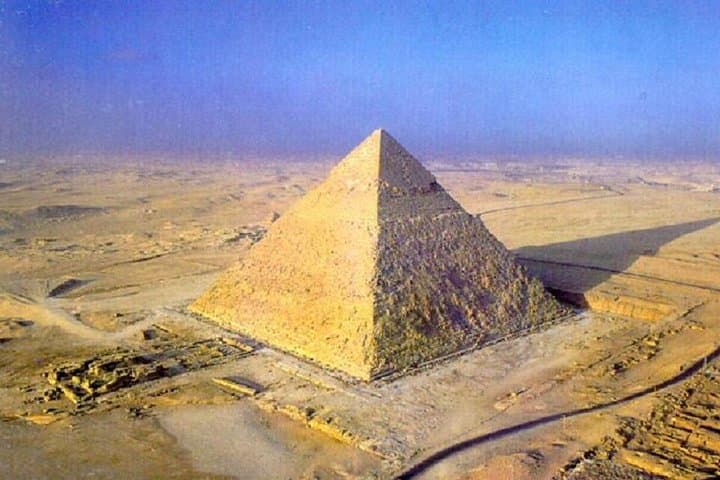
The sun slices across the Giza plateau as the spire of the Great Pyramid throws a long shadow — sand, stone and curve meet where ancient engineering still commands the horizon. Visitors arrive by air‑conditioned minivan, stepping from the city into a wind‑buffeted plain where the three main pyramids—Khufu (Cheops), Khafre (Chephren) and Menkaure (Mykerinus)—stand in compact alignment.
Verified experiences and guided adventures in the surrounding area.
Operated by MyEgyTours · Giza, Giza Governorate
The sun slices across the Giza plateau as the spire of the Great Pyramid throws a long shadow — sand, stone and curve meet where ancient engineering still commands the horizon. Visitors arrive by air‑conditioned minivan, stepping from the city into a wind‑buffeted plain where the three main pyramids—Khufu (Cheops), Khafre (Chephren) and Menkaure (Mykerinus)—stand in compact alignment.
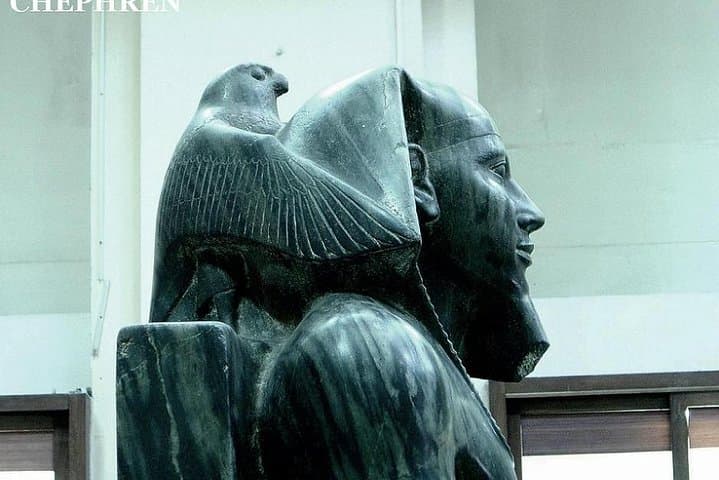
These monuments date to Egypt’s Old Kingdom (about 4,500 years ago), carved from limestone and bedrock that record the Nile’s long role in shaping local life and building materials. Nearby, the Great Sphinx—linked to Khafre’s funerary complex—keeps watch over the Valley Temple and the funerary landscape that served pharaohs’ passage to the afterlife. Later, the Egyptian Museum in downtown Cairo presents five millennia of material culture, including Tutankhamen’s gold treasures and thousands of cataloged artifacts.
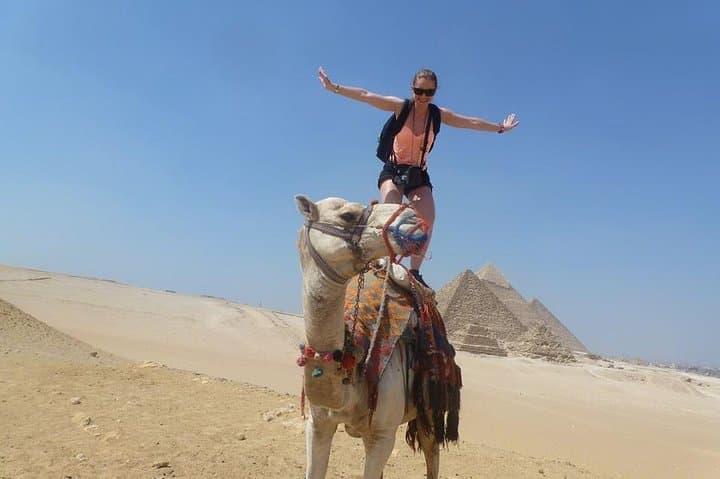
On this full‑day tour you should expect flat, sandy walking across uneven terrain, short climbs to viewpoints, and a guided 30‑minute camel ride that gives a slow, rhythmic view of the plateau. The day moves at a museum‑and‑site pace: morning at the pyramids and Sphinx, afternoon in the museum, with a local lunch option.
Practical guidance: start early to avoid midday heat, carry sun protection and water, wear closed toe shoes for rocky surfaces, and keep to marked paths to respect conservation rules. Allow about 8 hours for the full itinerary and check with the provider about included entrance fees and pickup details.
easy.
8 hours.
Suitable for average fitness: light walking on uneven ground and short camel ride; minimal elevation change.
The guided camel ride included in this tour is approximately 30 minutes across the Giza plateau.
This tour lists transport, guide, camel ride and bottled water as inclusions; entrance fees can vary—confirm with the operator at booking.
The tour notes wheelchair accessibility and is rated easy, but the site includes uneven terrain; discuss specific mobility needs with the provider before booking.
Yes — hotel pickup and drop‑off are typically included; the operator will confirm pickup details when you book.
The Giza pyramids date to Egypt’s Fourth Dynasty (c. 2600–2500 BCE) and served as monumental tombs for pharaohs Khufu, Khafre and Menkaure; the Egyptian Museum holds artifacts spanning over 5,000 years, including Tutankhamen’s funerary treasures.
Heavy visitor traffic and urban development threaten the site’s integrity; stick to designated paths, avoid touching stonework and follow guide instructions to minimize impact.
MyEgyTours operates guided outdoor trips and adventures with an emphasis on safety, stewardship, and memorable experiences.
The sun slices across the Giza plateau as the spire of the Great Pyramid throws a long shadow — sand, stone and curve meet where ancient engineering still commands the horizon. Visitors arrive by air‑conditioned minivan, stepping from the city into a wind‑buffeted plain where the three main pyramids—Khufu (Cheops), Khafre (Chephren) and Menkaure (Mykerinus)—stand in compact alignment.
The sun slices across the Giza plateau as the spire of the Great Pyramid throws a long shadow — sand, stone and curve meet where ancient engineering still commands the horizon. Visitors arrive by air‑conditioned minivan, stepping from the city into a wind‑buffeted plain where the three main pyramids—Khufu (Cheops), Khafre (Chephren) and Menkaure (Mykerinus)—stand in compact alignment.
These monuments date to Egypt’s Old Kingdom (about 4,500 years ago), carved from limestone and bedrock that record the Nile’s long role in shaping local life and building materials. Nearby, the Great Sphinx—linked to Khafre’s funerary complex—keeps watch over the Valley Temple and the funerary landscape that served pharaohs’ passage to the afterlife. Later, the Egyptian Museum in downtown Cairo presents five millennia of material culture, including Tutankhamen’s gold treasures and thousands of cataloged artifacts.
On this full‑day tour you should expect flat, sandy walking across uneven terrain, short climbs to viewpoints, and a guided 30‑minute camel ride that gives a slow, rhythmic view of the plateau. The day moves at a museum‑and‑site pace: morning at the pyramids and Sphinx, afternoon in the museum, with a local lunch option.
Practical guidance: start early to avoid midday heat, carry sun protection and water, wear closed toe shoes for rocky surfaces, and keep to marked paths to respect conservation rules. Allow about 8 hours for the full itinerary and check with the provider about included entrance fees and pickup details.