THE ADVENTURE COLLECTIVE® · Independent discovery and booking for outdoor travel

Combine one of the ancient world’s greatest sights with an evening on the Nile. This private 8-hour tour pairs an Egyptologist-led visit to the Giza plateau with a dinner cruise featuring live music and an international buffet.
Combine one of the ancient world’s greatest sights with an evening on the Nile. This private 8-hour tour pairs an Egyptologist-led visit to the Giza plateau with a dinner cruise featuring live music and an international buffet.
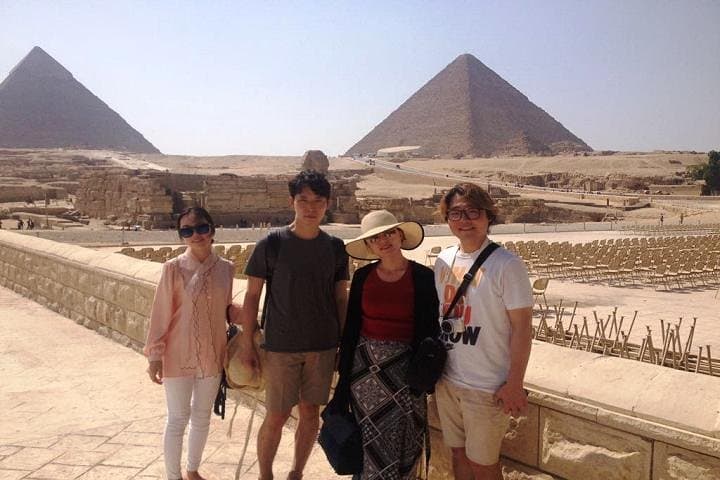
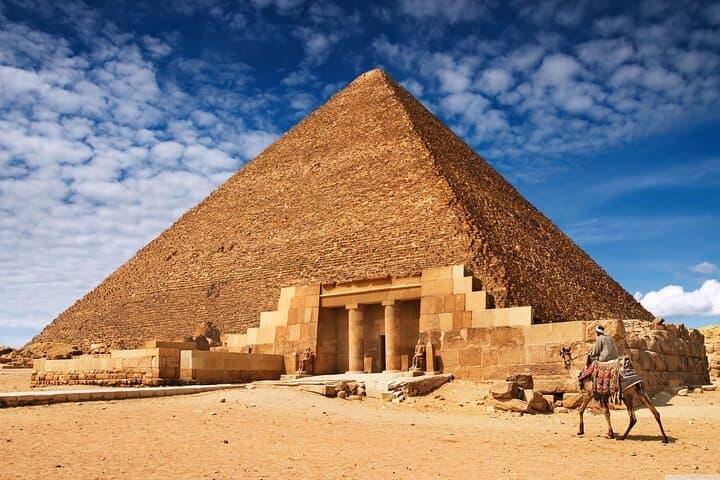
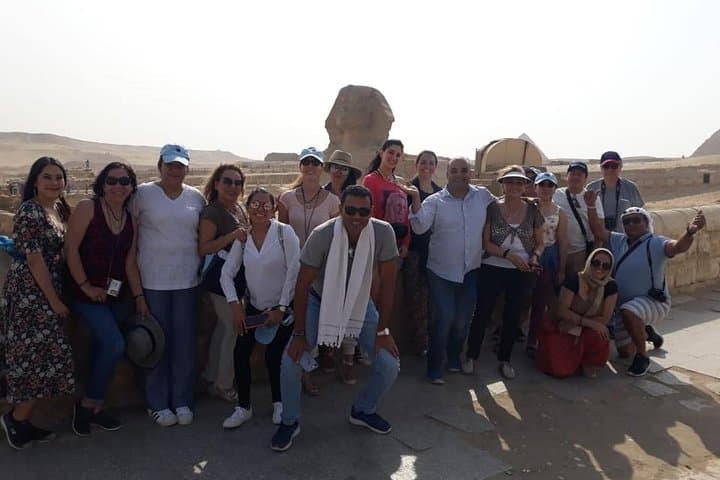
You step out of the shuttle onto wind-swept sand and the three great stones loom forward like memory made solid. The plateau at Giza opens in a hard horizontal line—Cheops, Khafre and Menkaure—while the Sphinx stares eastward as if measuring the city that grew around it.
Verified experiences and guided adventures in the surrounding area.
Operated by Deluxe Travel · Cairo, Cairo Governorate
You step out of the shuttle onto wind-swept sand and the three great stones loom forward like memory made solid. The plateau at Giza opens in a hard horizontal line—Cheops, Khafre and Menkaure—while the Sphinx stares eastward as if measuring the city that grew around it.
These monuments were raised in the 4th Dynasty (around 2560–2490 BCE) as royal tombs, cut from local limestone and quarried bedrock that still shows the scars of ancient builders. The plateau’s geology is simple—limestone caprock over softer strata—yet its cultural layers are dense: pharaonic funerary practice, Greco-Roman travelers’ accounts and modern Egyptian life pressed close to the stones.
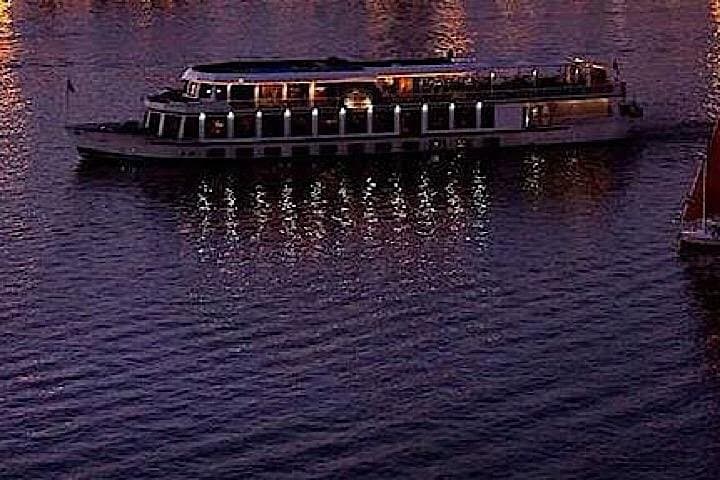
A private Egyptologist guide walks you through meanings and measurements, points out the causeways and the Solar Boat Museum nearby, and explains why entering a pyramid requires a separate ticket and modest stamina. Later the Nile carries you away—an evening dinner cruise offers a contrast to the arid plateau: slow water, lights, live music and an international buffet.
Practicalities: this is an 8-hour private excursion with hotel pickup and drop-off. Bring sun protection, comfortable walking shoes and cash for optional pyramid entry, camel rides and tipping. Expect crowds at the photo plateau; plan the Giza visit in morning or late afternoon to avoid the strongest heat. Guides cannot accompany you inside pyramid chambers, and photography rules vary.
The day pairs raw archaeology with a relaxed river interlude—ideal for travelers who want iconic views without DIY logistics. Time your visit for cooler months, carry water, and keep to marked paths to protect fragile remains.
easy.
8 hours.
Suitable for most fitness levels; requires standing and short walks on uneven ground.
General access to the Giza Plateau is included, but entry into the internal chambers of a pyramid requires a separate ticket and may have limited availability.
Egyptologist guides typically explain the interiors outside; for conservation reasons, guides are not permitted to enter the burial chambers with guests.
Yes, the private tour lists hotel pickup and drop-off; confirm your exact pickup time with the local operator after booking.
Yes—the cruise features an international buffet and live entertainment suitable for most families, though infants must sit on laps and parents should supervise children near railings.
The Giza complex was built during Egypt’s Old Kingdom as monumental tomb complexes; the Great Pyramid dates to the reign of Khufu (Cheops).
Tourism places pressure on fragile stone surfaces and nearby urban development; stick to paths, avoid touching carvings and support local conservation efforts by using licensed guides.
Deluxe Travel operates guided outdoor trips and adventures with an emphasis on safety, stewardship, and memorable experiences.
You step out of the shuttle onto wind-swept sand and the three great stones loom forward like memory made solid. The plateau at Giza opens in a hard horizontal line—Cheops, Khafre and Menkaure—while the Sphinx stares eastward as if measuring the city that grew around it.
You step out of the shuttle onto wind-swept sand and the three great stones loom forward like memory made solid. The plateau at Giza opens in a hard horizontal line—Cheops, Khafre and Menkaure—while the Sphinx stares eastward as if measuring the city that grew around it.
These monuments were raised in the 4th Dynasty (around 2560–2490 BCE) as royal tombs, cut from local limestone and quarried bedrock that still shows the scars of ancient builders. The plateau’s geology is simple—limestone caprock over softer strata—yet its cultural layers are dense: pharaonic funerary practice, Greco-Roman travelers’ accounts and modern Egyptian life pressed close to the stones.
A private Egyptologist guide walks you through meanings and measurements, points out the causeways and the Solar Boat Museum nearby, and explains why entering a pyramid requires a separate ticket and modest stamina. Later the Nile carries you away—an evening dinner cruise offers a contrast to the arid plateau: slow water, lights, live music and an international buffet.
Practicalities: this is an 8-hour private excursion with hotel pickup and drop-off. Bring sun protection, comfortable walking shoes and cash for optional pyramid entry, camel rides and tipping. Expect crowds at the photo plateau; plan the Giza visit in morning or late afternoon to avoid the strongest heat. Guides cannot accompany you inside pyramid chambers, and photography rules vary.
The day pairs raw archaeology with a relaxed river interlude—ideal for travelers who want iconic views without DIY logistics. Time your visit for cooler months, carry water, and keep to marked paths to protect fragile remains.