THE ADVENTURE COLLECTIVE® · Independent discovery and booking for outdoor travel

Spend a full day on the Giza Plateau with a private transfer, a 20-minute camel ride, and a focused visit to the Egyptian Museum. This guided tour pairs sweeping desert views and the Great Pyramid with museum galleries that showcase Tutankhamun’s treasures.
Spend a full day on the Giza Plateau with a private transfer, a 20-minute camel ride, and a focused visit to the Egyptian Museum. This guided tour pairs sweeping desert views and the Great Pyramid with museum galleries that showcase Tutankhamun’s treasures.
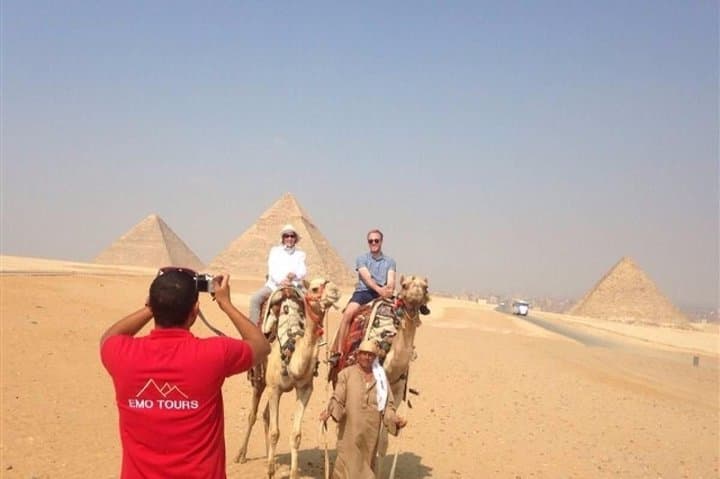
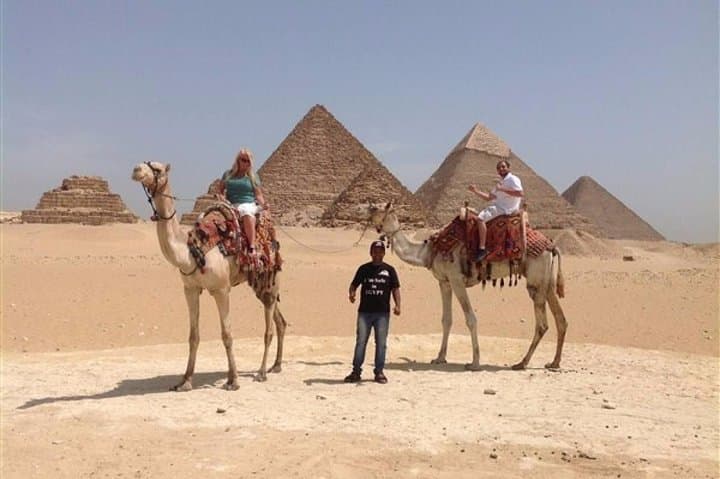
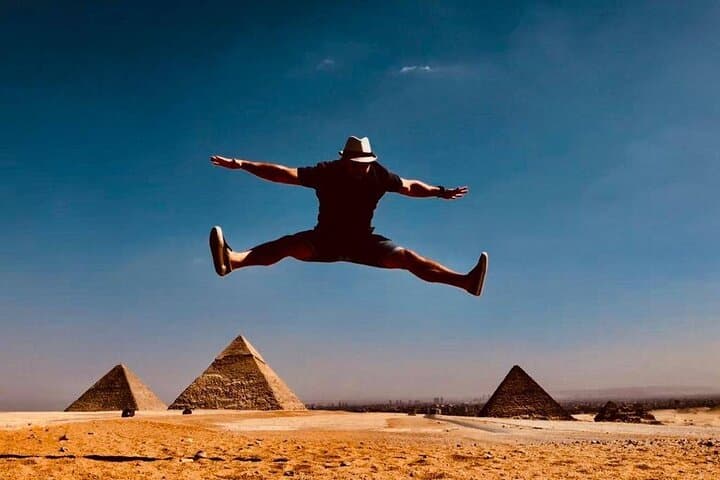
The sun spills over a sandstone horizon and the Giza Plateau wakes beneath it — wind shaping sand into faint ridges that dare you toward the steps of antiquity. You arrive by private A/C transfer mid-morning, the Great Pyramid rising like a geological punctuation against Cairo’s bustle. A short camel ride across open sand gives you a low, slow view of the stones as the plateau’s scale finally registers: three royal pyramids, the sculpted gaze of the Sphinx, and murmurs of millennia in every block.
Verified experiences and guided adventures in the surrounding area.
Operated by Emo Tours Egypt · Giza, Giza Governorate
The sun spills over a sandstone horizon and the Giza Plateau wakes beneath it — wind shaping sand into faint ridges that dare you toward the steps of antiquity. You arrive by private A/C transfer mid-morning, the Great Pyramid rising like a geological punctuation against Cairo’s bustle. A short camel ride across open sand gives you a low, slow view of the stones as the plateau’s scale finally registers: three royal pyramids, the sculpted gaze of the Sphinx, and murmurs of millennia in every block.
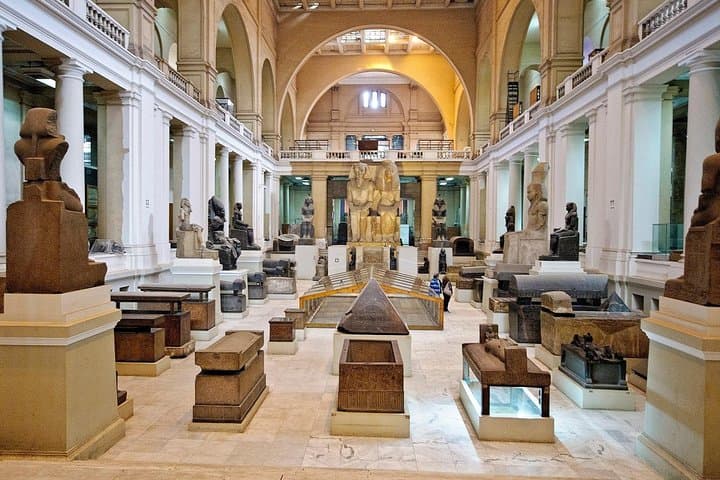
This route threads history and archaeology — Khufu’s colossal tomb, Khafre’s complex and the smaller but elegant Menkaure — all built in the Old Kingdom (c. 2600–2500 BCE). The plateau sits on limestone bedrock with quarried casing stones still visible in places; nearby, the Egyptian Museum in downtown Cairo holds the golden masks and funerary goods from Tutankhamun’s tomb and thousands of Pharaonic artifacts.
Practical guidance: the tour runs about nine hours with hotel pickup around 08:00 and returns mid-afternoon; expect roughly 20 minutes on a camel, time at panoramic viewpoints, a visit to the Sphinx and valley temples, and about two hours inside the Egyptian Museum. Sun protection, steady footwear for uneven footing, and patience for crowds will make the day smoother. Carry cash for tips and small purchases, keep a respectful distance from archaeological features (no climbing), and hydrate often — the desert sun works quietly but insistently. With modest preparation you’ll move from cinematic vistas to museum halls and end the day with a clear, practical sense of Egypt’s ancient engineering and cultural legacy.
easy.
9 hours.
Suitable for most fitness levels; expect short walks over uneven ground and brief standing periods while viewing sites.
The tour covers basic entry to the Giza plateau and the Egyptian Museum; specific extra-access tickets (for going inside Khufu’s pyramid, for example) are typically sold separately on site.
The included camel ride is around 20–30 minutes across the plateau; camel handlers sometimes expect a small tip after the ride.
The itinerary involves uneven ground and some climbing over low stones and stairs; it is not recommended for travelers with serious back problems, heart conditions, or pregnancy.
Pickup is usually around 08:00 from Cairo hotels; total duration is about nine hours with return in the mid-afternoon.
The Giza complex dates to Egypt’s Old Kingdom, designed as monumental funerary landscapes for pharaohs Khufu, Khafre and Menkaure; the Egyptian Museum preserves artifacts spanning the Pharaonic eras including Tutankhamun’s burial treasures.
High visitor numbers, wind and urban pollution stress the stones and surrounding environment; follow guide instructions, avoid touching masonry, and use marked paths to minimize impact.
Emo Tours Egypt operates guided outdoor trips and adventures with an emphasis on safety, stewardship, and memorable experiences.
The sun spills over a sandstone horizon and the Giza Plateau wakes beneath it — wind shaping sand into faint ridges that dare you toward the steps of antiquity. You arrive by private A/C transfer mid-morning, the Great Pyramid rising like a geological punctuation against Cairo’s bustle. A short camel ride across open sand gives you a low, slow view of the stones as the plateau’s scale finally registers: three royal pyramids, the sculpted gaze of the Sphinx, and murmurs of millennia in every block.
The sun spills over a sandstone horizon and the Giza Plateau wakes beneath it — wind shaping sand into faint ridges that dare you toward the steps of antiquity. You arrive by private A/C transfer mid-morning, the Great Pyramid rising like a geological punctuation against Cairo’s bustle. A short camel ride across open sand gives you a low, slow view of the stones as the plateau’s scale finally registers: three royal pyramids, the sculpted gaze of the Sphinx, and murmurs of millennia in every block.
This route threads history and archaeology — Khufu’s colossal tomb, Khafre’s complex and the smaller but elegant Menkaure — all built in the Old Kingdom (c. 2600–2500 BCE). The plateau sits on limestone bedrock with quarried casing stones still visible in places; nearby, the Egyptian Museum in downtown Cairo holds the golden masks and funerary goods from Tutankhamun’s tomb and thousands of Pharaonic artifacts.
Practical guidance: the tour runs about nine hours with hotel pickup around 08:00 and returns mid-afternoon; expect roughly 20 minutes on a camel, time at panoramic viewpoints, a visit to the Sphinx and valley temples, and about two hours inside the Egyptian Museum. Sun protection, steady footwear for uneven footing, and patience for crowds will make the day smoother. Carry cash for tips and small purchases, keep a respectful distance from archaeological features (no climbing), and hydrate often — the desert sun works quietly but insistently. With modest preparation you’ll move from cinematic vistas to museum halls and end the day with a clear, practical sense of Egypt’s ancient engineering and cultural legacy.