THE ADVENTURE COLLECTIVE® · Independent discovery and booking for outdoor travel

Spend a day crossing Cairo’s contrasts: an early camel ride beside the Giza pyramids, hands-on history at the Great Sphinx, then hours in the Egyptian Museum amid Tutankhamun’s treasures. This private day tour packages transport, guide, entrance fees and lunch into a single 6–8 hour excursion.
Spend a day crossing Cairo’s contrasts: an early camel ride beside the Giza pyramids, hands-on history at the Great Sphinx, then hours in the Egyptian Museum amid Tutankhamun’s treasures. This private day tour packages transport, guide, entrance fees and lunch into a single 6–8 hour excursion.
There’s a particular hush before the plateau: heat lifts off limestone, and the pyramids stand like slow-moving machines that have watched the Nile’s flood plain change for millennia. On this full-day loop from Cairo, travelers move from that sun-steeped sand into air-conditioned galleries where gold and funerary masks gather light differently.
Verified experiences and guided adventures in the surrounding area.
Operated by Sun Pyramids Tours · Giza, Cairo Governorate
There’s a particular hush before the plateau: heat lifts off limestone, and the pyramids stand like slow-moving machines that have watched the Nile’s flood plain change for millennia. On this full-day loop from Cairo, travelers move from that sun-steeped sand into air-conditioned galleries where gold and funerary masks gather light differently.
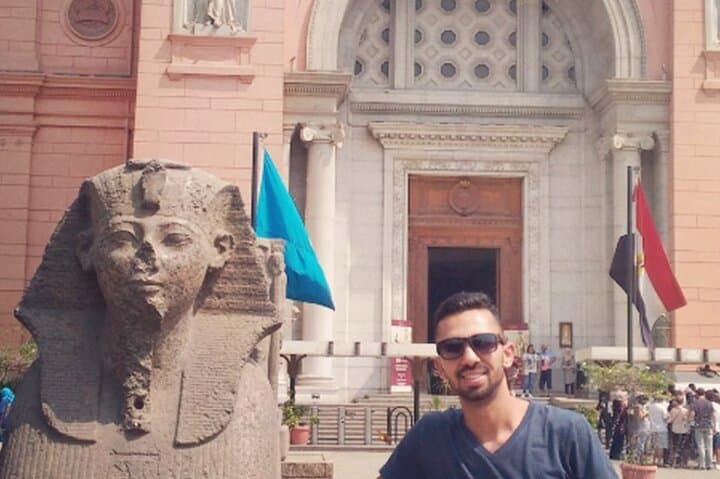
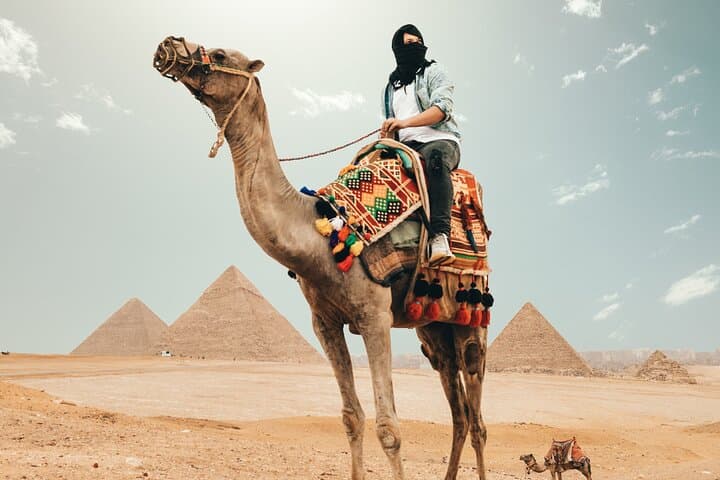
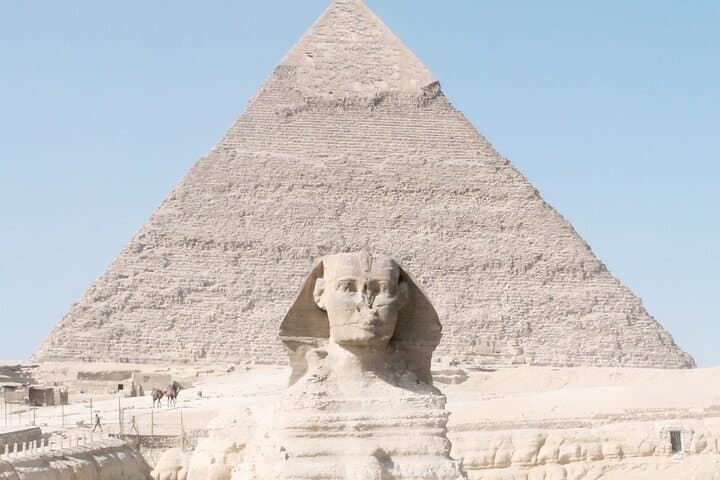
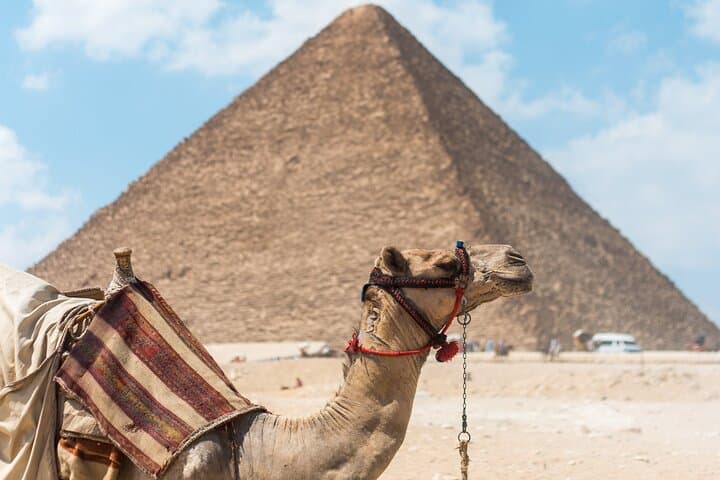
The tour visits the Great Pyramid of Khufu (Cheops), Khafre and Menkaure, the Valley Temple and the Great Sphinx—structures built from locally quarried limestone and visible from miles across the desert. The camel ride (typically 20–30 minutes) traces the fringe of the plateau, giving a low, swaying perspective on the pyramids’ scale and the wind that has sandblasted their faces. Later, the Egyptian Museum in Tahrir Square houses more than 250,000 artifacts, including the Tutankhamun collection and extensive funerary items that illustrate five millennia of Pharaonic design.
Expect guided context on construction techniques, dynastic history and funerary customs, plus practical notes about climbing restrictions and photography rules. Cultural rhythm is palpable: vendors call from the plateau edge, cafés brew strong coffee in the city, and museum guards shepherd visitors through packed galleries.
Practical guidance: the full program is about 6–8 hours including transfers; bring sun protection and closed shoes for walking on loose sand; carry local cash for souvenirs and tips; plan museum time for later in the day when light in the galleries is softer and crowds thin. The tour’s private transport, bottled water and lunch streamline logistics so you can focus on the place itself.
easy.
6–8 hours.
Basic fitness for walking on uneven, sandy terrain and standing during museum visits; suitable for most travelers.
The camel ride on this tour is typically 20–30 minutes, a short guided loop around the base of the pyramids for photo and perspective opportunities.
Yes—entrance fees to the Giza Plateau sites and the Egyptian Museum are included in the tour price as stated in the itinerary.
Access to interior chambers is restricted and subject to Egyptian Antiquities Authority rules; the tour focuses on external viewpoints and related monuments.
The museum and transportation options listed are wheelchair accessible, but some historic sites on the plateau have uneven ground—check in advance for mobility accommodations.
The Giza complex dates to Egypt’s Fourth Dynasty (c. 26th century BCE); Khufu’s pyramid was the tallest man-made structure for millennia, reflecting advanced quarrying and labor organization.
Heavy visitation stresses fragile stone and surrounding desert ecosystems; use marked paths, avoid climbing, and support local conservation efforts and reputable guides.
Sun Pyramids Tours operates guided outdoor trips and adventures with an emphasis on safety, stewardship, and memorable experiences.
There’s a particular hush before the plateau: heat lifts off limestone, and the pyramids stand like slow-moving machines that have watched the Nile’s flood plain change for millennia. On this full-day loop from Cairo, travelers move from that sun-steeped sand into air-conditioned galleries where gold and funerary masks gather light differently.
There’s a particular hush before the plateau: heat lifts off limestone, and the pyramids stand like slow-moving machines that have watched the Nile’s flood plain change for millennia. On this full-day loop from Cairo, travelers move from that sun-steeped sand into air-conditioned galleries where gold and funerary masks gather light differently.
The tour visits the Great Pyramid of Khufu (Cheops), Khafre and Menkaure, the Valley Temple and the Great Sphinx—structures built from locally quarried limestone and visible from miles across the desert. The camel ride (typically 20–30 minutes) traces the fringe of the plateau, giving a low, swaying perspective on the pyramids’ scale and the wind that has sandblasted their faces. Later, the Egyptian Museum in Tahrir Square houses more than 250,000 artifacts, including the Tutankhamun collection and extensive funerary items that illustrate five millennia of Pharaonic design.
Expect guided context on construction techniques, dynastic history and funerary customs, plus practical notes about climbing restrictions and photography rules. Cultural rhythm is palpable: vendors call from the plateau edge, cafés brew strong coffee in the city, and museum guards shepherd visitors through packed galleries.
Practical guidance: the full program is about 6–8 hours including transfers; bring sun protection and closed shoes for walking on loose sand; carry local cash for souvenirs and tips; plan museum time for later in the day when light in the galleries is softer and crowds thin. The tour’s private transport, bottled water and lunch streamline logistics so you can focus on the place itself.