THE ADVENTURE COLLECTIVE® · Independent discovery and booking for outdoor travel

Spend a full day with an Egyptologist exploring the Giza Plateau—ride a camel for the classic photo op, inspect the Valley Temple and Sphinx, then view Tutankhamun's treasures at the Egyptian Museum. This private, AC-backed itinerary packs the highlights into one streamlined day from Cairo.
Spend a full day with an Egyptologist exploring the Giza Plateau—ride a camel for the classic photo op, inspect the Valley Temple and Sphinx, then view Tutankhamun's treasures at the Egyptian Museum. This private, AC-backed itinerary packs the highlights into one streamlined day from Cairo.
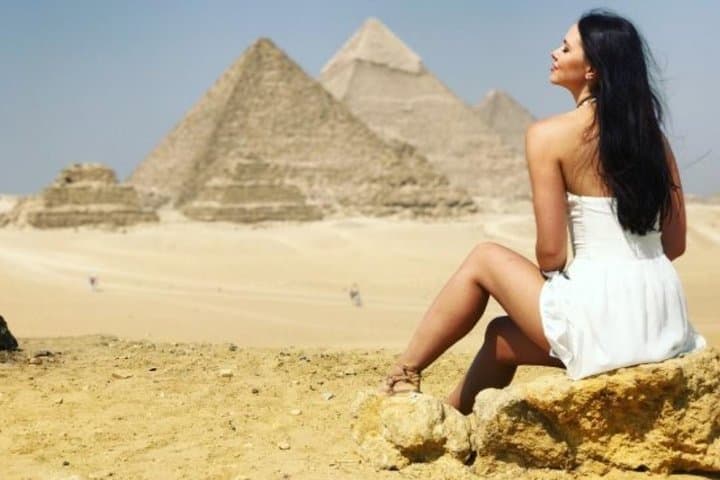
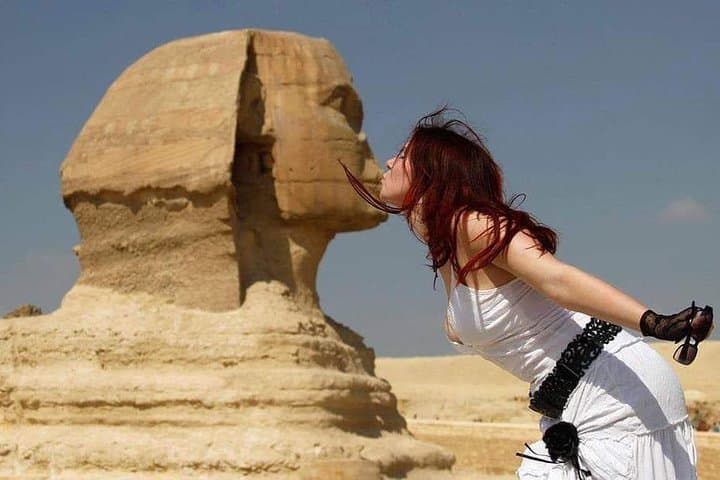
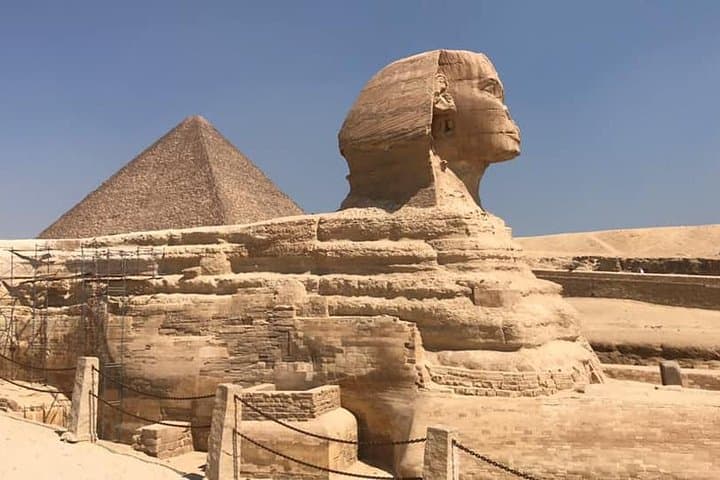
The sun drives long shadows across the limestone slopes as you arrive at Giza: a raw, wind-sculpted plain where stone giants loom and sand dares your steps. A camel shifts its weight under you and the plateau opens—views of the Great Pyramid cut into the sky, the Sphinx watching the road with an inscrutable calm. The day moves like a measured procession: close-up pyramids, a panoramic ridge, the Valley Temple’s dressed stone, then the crowded, treasure-filled halls of the Egyptian Museum in central Cairo.
Verified experiences and guided adventures in the surrounding area.
Operated by DrMo Tours Egypt · Giza, Giza Governorate
The sun drives long shadows across the limestone slopes as you arrive at Giza: a raw, wind-sculpted plain where stone giants loom and sand dares your steps. A camel shifts its weight under you and the plateau opens—views of the Great Pyramid cut into the sky, the Sphinx watching the road with an inscrutable calm. The day moves like a measured procession: close-up pyramids, a panoramic ridge, the Valley Temple’s dressed stone, then the crowded, treasure-filled halls of the Egyptian Museum in central Cairo.
Geology here is obvious — the Giza Plateau is a raised bedrock outcrop whose fine limestone and mortar once fed the hands that shaped the pyramids. History presses close: Cheops and Chephren’s monuments are 4,500 years old and still tell stories about pharaohic power, funerary ritual, and astronomical alignment. Culture arrives in voices: your Egyptologist guide translates hieroglyphs into human concerns and points out the Mughal-era cafés and modern markets that fringe the sites.
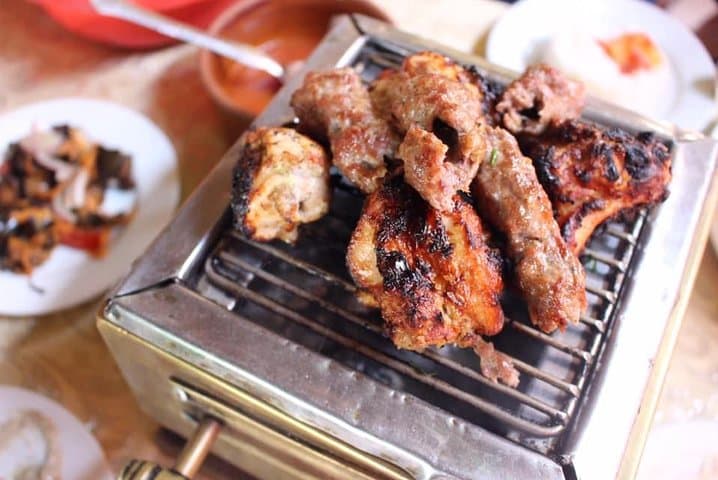
Practically, the tour is a full day (6–8 hours) with hotel pickup, a private AC vehicle, and a mid-day lunch. Expect dusty walking, uneven stone underfoot, and strong sun; the camel ride is brief—about 20–30 minutes—ideal for photos rather than long-distance travel. Inside the Egyptian Museum, plan for tight galleries and crowds around King Tutankhamun’s collection. Hydrate often, carry ID for tickets, and respect rope lines and conservation signs. Timing your visit early or late in the day reduces heat and light glare; the plateau’s wind can be a welcome companion or a sand-brush, depending on the hour.
easy.
6–8 hours.
Suitable for most fitness levels; includes short walks over uneven ground and a brief camel ride requiring basic balance.
The tour includes a visit to the Egyptian Museum, but check whether entrance fees or special exhibitions require additional tickets on booking.
The camel ride is typically about 20–30 minutes—designed for photos and short plateau circuits rather than long trekking.
Yes; the tour provides hotel pickup and drop-off in Cairo via an air-conditioned private vehicle—confirm your pickup location when booking.
Yes; the itinerary is rated easy and suitable for most ages, though camel rides may be uncomfortable for some; inform the operator of mobility needs in advance.
The Giza pyramids date to Egypt’s Fourth Dynasty (c. 2600–2500 BCE); the Egyptian Museum (est. 1902) holds extensive pharaonic collections including Tutankhamun's treasures.
High visitor numbers and dust impact exposed monuments; stick to marked paths, avoid touching carved stone, and support operators who follow conservation guidelines.
DrMo Tours Egypt operates guided outdoor trips and adventures with an emphasis on safety, stewardship, and memorable experiences.
The sun drives long shadows across the limestone slopes as you arrive at Giza: a raw, wind-sculpted plain where stone giants loom and sand dares your steps. A camel shifts its weight under you and the plateau opens—views of the Great Pyramid cut into the sky, the Sphinx watching the road with an inscrutable calm. The day moves like a measured procession: close-up pyramids, a panoramic ridge, the Valley Temple’s dressed stone, then the crowded, treasure-filled halls of the Egyptian Museum in central Cairo.
The sun drives long shadows across the limestone slopes as you arrive at Giza: a raw, wind-sculpted plain where stone giants loom and sand dares your steps. A camel shifts its weight under you and the plateau opens—views of the Great Pyramid cut into the sky, the Sphinx watching the road with an inscrutable calm. The day moves like a measured procession: close-up pyramids, a panoramic ridge, the Valley Temple’s dressed stone, then the crowded, treasure-filled halls of the Egyptian Museum in central Cairo.
Geology here is obvious — the Giza Plateau is a raised bedrock outcrop whose fine limestone and mortar once fed the hands that shaped the pyramids. History presses close: Cheops and Chephren’s monuments are 4,500 years old and still tell stories about pharaohic power, funerary ritual, and astronomical alignment. Culture arrives in voices: your Egyptologist guide translates hieroglyphs into human concerns and points out the Mughal-era cafés and modern markets that fringe the sites.
Practically, the tour is a full day (6–8 hours) with hotel pickup, a private AC vehicle, and a mid-day lunch. Expect dusty walking, uneven stone underfoot, and strong sun; the camel ride is brief—about 20–30 minutes—ideal for photos rather than long-distance travel. Inside the Egyptian Museum, plan for tight galleries and crowds around King Tutankhamun’s collection. Hydrate often, carry ID for tickets, and respect rope lines and conservation signs. Timing your visit early or late in the day reduces heat and light glare; the plateau’s wind can be a welcome companion or a sand-brush, depending on the hour.