THE ADVENTURE COLLECTIVE® · Independent discovery and booking for outdoor travel

Combine iconic antiquity with desert adrenaline on a private Giza tour: an Egyptologist-led visit to the three pyramids and Sphinx plus a 30-minute camel ride and one hour on quad bikes. Expect hotel transfers, bottled water, lunch, and curated shopping stops.
Combine iconic antiquity with desert adrenaline on a private Giza tour: an Egyptologist-led visit to the three pyramids and Sphinx plus a 30-minute camel ride and one hour on quad bikes. Expect hotel transfers, bottled water, lunch, and curated shopping stops.
You step onto the plateau and the wind rearranges a cloud of sand around the base of millennial blocks — the Great Pyramid looms, indifferent and immense. Behind you, the Sphinx watches like an old guard; ahead, the desert offers a different pace: the steady sway of a camel and the sudden thrum of a quad bike racing across sun-baked ridges.
Verified experiences and guided adventures in the surrounding area.
Operated by CGT Egypt Tours · Giza, Giza Governorate
You step onto the plateau and the wind rearranges a cloud of sand around the base of millennial blocks — the Great Pyramid looms, indifferent and immense. Behind you, the Sphinx watches like an old guard; ahead, the desert offers a different pace: the steady sway of a camel and the sudden thrum of a quad bike racing across sun-baked ridges.
The three great pyramids were raised in the Old Kingdom (c. 2600–2500 BCE) from quarried limestone and engineered with surprising precision; the plateau itself is a mix of limestone bedrock and wind-sculpted sand. Local culture still threads through the site: Bedouin camel handlers, market traders, and modern storytellers who translate millennia of history into moments for visitors. Expect a curated shopping stop where crafted souvenirs and papyrus prints are offered.
Practical side: this private tour runs about 6–7 hours with round-trip hotel transfers, a licensed Egyptologist guide, bottled water, lunch, a 30-minute camel ride and roughly one hour on quad bikes. Vendors can be persistent; a private guide smooths negotiation and keeps the schedule moving.
Timing matters — early morning or late afternoon light gives better photos and cooler conditions. Wear closed-toe shoes for walking on uneven limestone and sand; sun protection is essential year-round. On the ATVs, follow the guide’s safety briefing, stay within designated riding zones, and never attempt to climb the pyramids. Bring a refillable bottle (water provided), a camera with spare battery, and a small amount of local currency for tips and market purchases. The experience mixes archaeology with active desert play — expect history, horsepower, and the slow, rhythmic company of camels.
moderate.
6–7 hours.
Suitable for travelers in average fitness — expect short walks on uneven ground and active ATV riding that requires basic balance.
Operators commonly set minimum ages for safety — confirm with your booking; younger children may ride as passengers on camels instead.
No — climbing the pyramids is illegal and strictly enforced; you can take photos from viewpoints and designated walking areas.
This private tour lists entrance fees and a licensed Egyptologist guide as included, but confirm specifics at booking time.
Round-trip hotel transfers from central Giza and Downtown Cairo hotels are included; outskirts like the New Administrative Capital may incur extra charges.
The Giza pyramids were built as royal tomb complexes during Egypt’s Old Kingdom; the plateau served both funerary and ceremonial functions tied to the Nile-fed agricultural cycle.
Strict rules protect the monuments: do not climb or remove stones, stick to marked paths, and use licensed operators to minimize impact on sensitive archaeological areas.
CGT Egypt Tours operates guided outdoor trips and adventures with an emphasis on safety, stewardship, and memorable experiences.

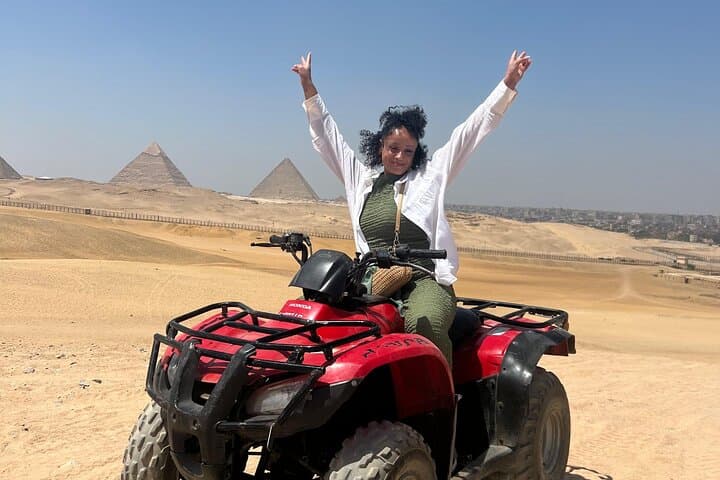

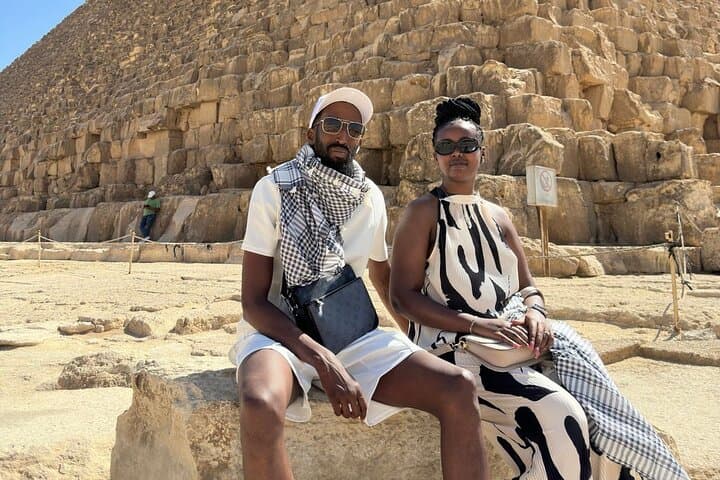
You step onto the plateau and the wind rearranges a cloud of sand around the base of millennial blocks — the Great Pyramid looms, indifferent and immense. Behind you, the Sphinx watches like an old guard; ahead, the desert offers a different pace: the steady sway of a camel and the sudden thrum of a quad bike racing across sun-baked ridges.
You step onto the plateau and the wind rearranges a cloud of sand around the base of millennial blocks — the Great Pyramid looms, indifferent and immense. Behind you, the Sphinx watches like an old guard; ahead, the desert offers a different pace: the steady sway of a camel and the sudden thrum of a quad bike racing across sun-baked ridges.
The three great pyramids were raised in the Old Kingdom (c. 2600–2500 BCE) from quarried limestone and engineered with surprising precision; the plateau itself is a mix of limestone bedrock and wind-sculpted sand. Local culture still threads through the site: Bedouin camel handlers, market traders, and modern storytellers who translate millennia of history into moments for visitors. Expect a curated shopping stop where crafted souvenirs and papyrus prints are offered.
Practical side: this private tour runs about 6–7 hours with round-trip hotel transfers, a licensed Egyptologist guide, bottled water, lunch, a 30-minute camel ride and roughly one hour on quad bikes. Vendors can be persistent; a private guide smooths negotiation and keeps the schedule moving.
Timing matters — early morning or late afternoon light gives better photos and cooler conditions. Wear closed-toe shoes for walking on uneven limestone and sand; sun protection is essential year-round. On the ATVs, follow the guide’s safety briefing, stay within designated riding zones, and never attempt to climb the pyramids. Bring a refillable bottle (water provided), a camera with spare battery, and a small amount of local currency for tips and market purchases. The experience mixes archaeology with active desert play — expect history, horsepower, and the slow, rhythmic company of camels.