THE ADVENTURE COLLECTIVE® · Independent discovery and booking for outdoor travel

Ride a camel or horse around the Giza Plateau as the sun drops behind Khufu’s peak. This practical guide explains what to expect—terrain, timing, cultural context—and how to prepare for a safe, memorable visit.
Ride a camel or horse around the Giza Plateau as the sun drops behind Khufu’s peak. This practical guide explains what to expect—terrain, timing, cultural context—and how to prepare for a safe, memorable visit.
The desert wind pushes the dust across a vast stone stage as you approach the Giza Plateau: horns of the camel harness creak, the silhouette of Khufu rises sharp against the sinking sun, and the Sphinx watches with patient indifference.
Verified experiences and guided adventures in the surrounding area.
Operated by Three Pyramids Tours · Giza, Giza Governorate
The desert wind pushes the dust across a vast stone stage as you approach the Giza Plateau: horns of the camel harness creak, the silhouette of Khufu rises sharp against the sinking sun, and the Sphinx watches with patient indifference.
This half-day private tour pairs a gentle camel or horse ride with guided views of the three main pyramids—Khufu, Khafre and Menkaure—bringing you close to structures built around 2500 BCE that once dominated the ancient Nile landscape. The plateau’s bedrock is limestone; the pyramids’ geometry and quarry scars reveal both the scale of ancient engineering and the slow erosion that shapes the surrounding desert.
Locally, camel handlers keep living traditions alive: bargaining, tea, and short performances are part of the evening rhythm. The tour often ends with snacks and a drive back in air-conditioned comfort, blending adventure with accessibility.
Expect flat, sandy terrain with occasional hard-packed limestone ledges. Rides are short and suitable for most fitness levels, but the sway of an animal and loose sand require balance; horseback options are steadier but faster. Sunset is prime for photos and cooler temperatures, while mid-day can be harsh.
Practical tips: wear sun protection, closed-toe shoes, and a scarf against grit; bring cash for tips and photos; follow your guide’s safety brief and never climb on monuments. If you have back issues, choose the horse or remain on foot—handlers and vehicles are available for support. With basic preparation, a camel ride here is an accessible way to touch a staggeringly old landscape and leave no trace of your passage.
easy.
4–5 hours.
Suitable for most fitness levels; you should be able to mount/dismount and balance on an animal for short periods.
Yes—this private tour is generally family-friendly; handlers can adjust pace and provide support, but disclose mobility issues when booking.
No—climbing the pyramids is illegal and prohibited; the tour offers external viewpoints and photo stops only.
Light snacks are included per the itinerary, but bring water and any personal medications; bottled water is recommended.
Rides are brief—typically 20–40 minutes on the plateau—part of a 4–5 hour private excursion that includes transport and guiding.
The Great Pyramids date to the Fourth Dynasty (c. 2600–2500 BCE); Khufu’s pyramid was the world’s tallest man-made structure for millennia.
Visitor management and strict no-climb rules protect fragile stone surfaces; stick to paths and avoid littering to reduce erosion and degradation.
Three Pyramids Tours operates guided outdoor trips and adventures with an emphasis on safety, stewardship, and memorable experiences.
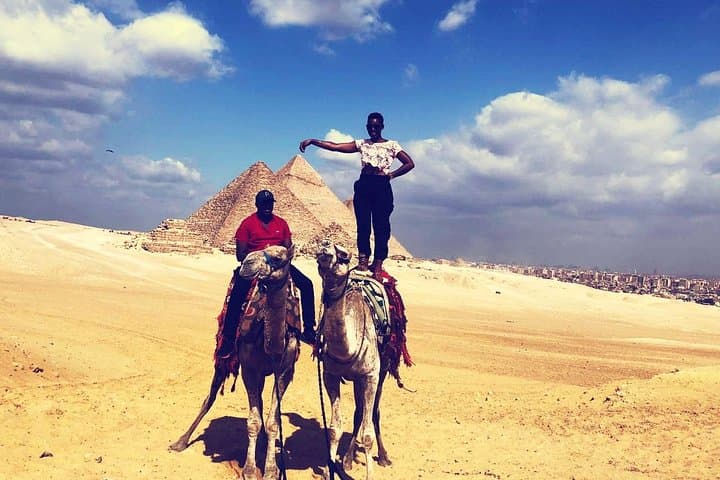
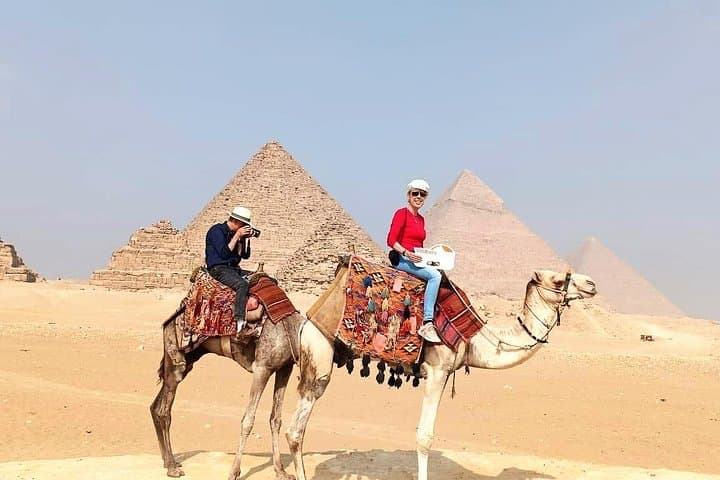
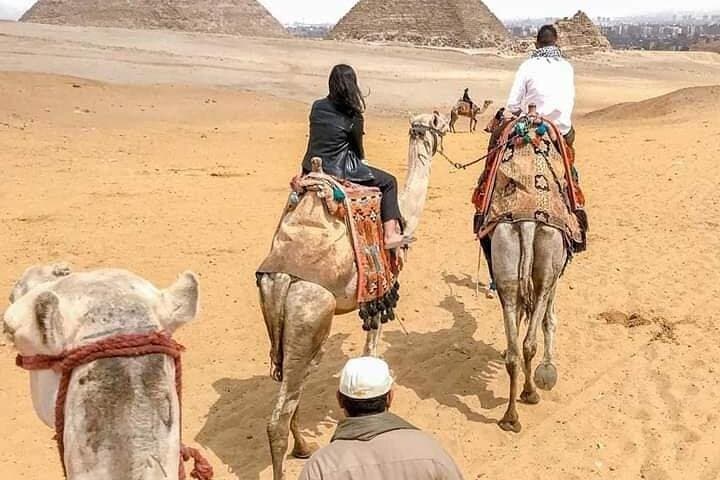
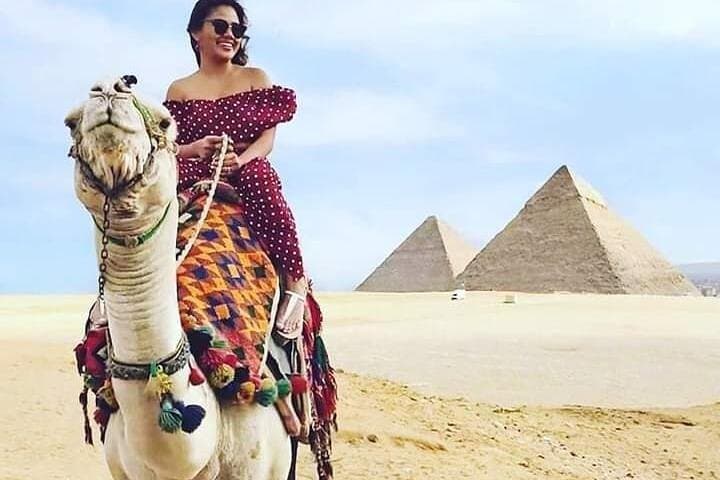
The desert wind pushes the dust across a vast stone stage as you approach the Giza Plateau: horns of the camel harness creak, the silhouette of Khufu rises sharp against the sinking sun, and the Sphinx watches with patient indifference.
The desert wind pushes the dust across a vast stone stage as you approach the Giza Plateau: horns of the camel harness creak, the silhouette of Khufu rises sharp against the sinking sun, and the Sphinx watches with patient indifference.
This half-day private tour pairs a gentle camel or horse ride with guided views of the three main pyramids—Khufu, Khafre and Menkaure—bringing you close to structures built around 2500 BCE that once dominated the ancient Nile landscape. The plateau’s bedrock is limestone; the pyramids’ geometry and quarry scars reveal both the scale of ancient engineering and the slow erosion that shapes the surrounding desert.
Locally, camel handlers keep living traditions alive: bargaining, tea, and short performances are part of the evening rhythm. The tour often ends with snacks and a drive back in air-conditioned comfort, blending adventure with accessibility.
Expect flat, sandy terrain with occasional hard-packed limestone ledges. Rides are short and suitable for most fitness levels, but the sway of an animal and loose sand require balance; horseback options are steadier but faster. Sunset is prime for photos and cooler temperatures, while mid-day can be harsh.
Practical tips: wear sun protection, closed-toe shoes, and a scarf against grit; bring cash for tips and photos; follow your guide’s safety brief and never climb on monuments. If you have back issues, choose the horse or remain on foot—handlers and vehicles are available for support. With basic preparation, a camel ride here is an accessible way to touch a staggeringly old landscape and leave no trace of your passage.