THE ADVENTURE COLLECTIVE® · Independent discovery and booking for outdoor travel

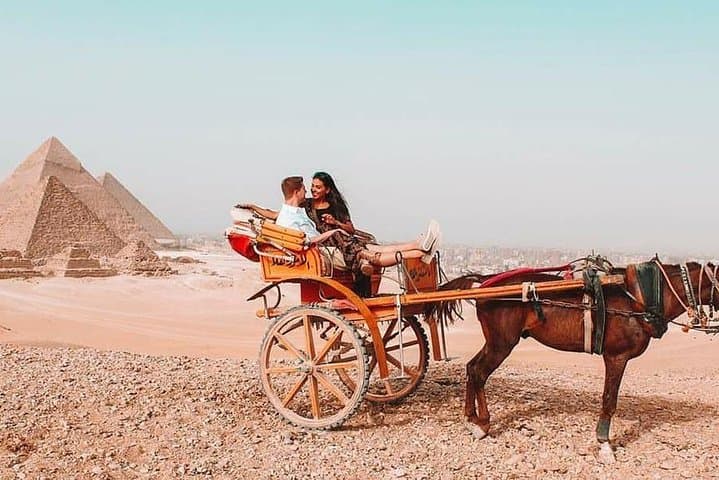
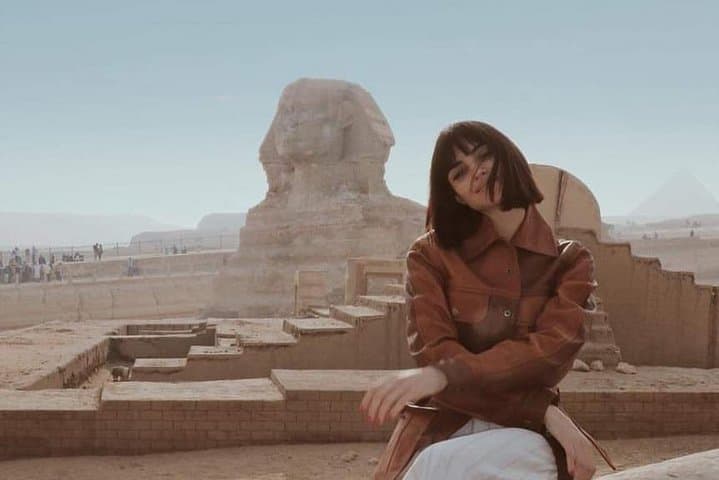
Ride a horse-drawn carriage across the Giza Plateau, stand before the Great Pyramid and the Sphinx, and learn the Fourth Dynasty’s stories from a private Egyptologist. This half-day tour balances easy access with an intimate, historical experience.
Ride a horse-drawn carriage across the Giza Plateau, stand before the Great Pyramid and the Sphinx, and learn the Fourth Dynasty’s stories from a private Egyptologist. This half-day tour balances easy access with an intimate, historical experience.
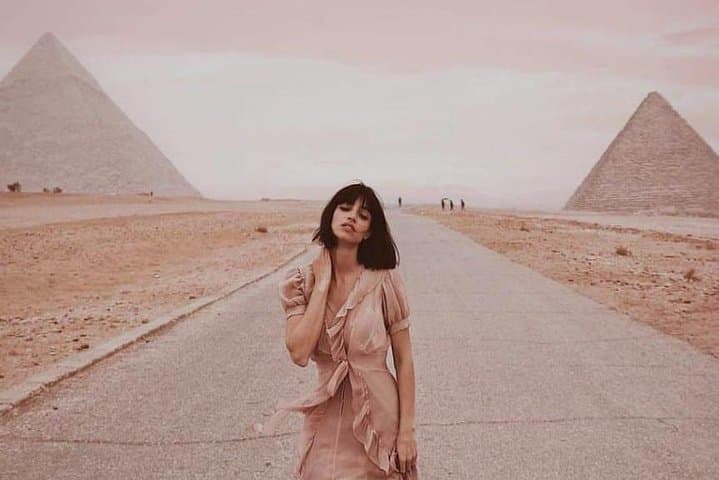
The sun cuts across the Giza Plateau in gold, throwing long, crisp shadows from the Great Pyramid as your carriage wheels whisper over compacted sand.
Verified experiences and guided adventures in the surrounding area.
Operated by This is Egypt Tours · Giza, Giza Governorate
The sun cuts across the Giza Plateau in gold, throwing long, crisp shadows from the Great Pyramid as your carriage wheels whisper over compacted sand.
You arrive by air-conditioned van with a private Egyptologist who moves easily between dates and dynasties, pointing out the angles and alignments that have kept the Great Pyramid standing for millennia. The carriage ride—an hour alongside the plateau—lets you feel the desert wind press against the stone as the Sphinx watches on, unblinking.
Geology here is simple and ancient: a limestone cap on a low sandstone plateau that rises roughly 50–70 meters above the surrounding plain, quarried by pharaohs and reused across eras. Cultural layers sit thick—the Fourth Dynasty tombs, the Valley Temple’s dressed stone, and a modern economy built on tourism and craft markets.
Practically, this is a short, accessible outing: expect about four hours total including transfers, with guided time at the Pyramid complex and a one-hour horse carriage circuit. Bring sun protection and closed shoes for walking on uneven packing and loose gravel. Photography is allowed in most areas but climbing monuments is prohibited and monitored.
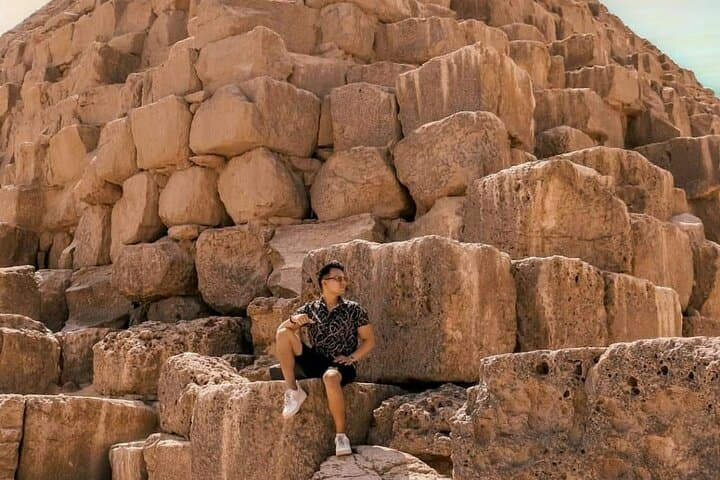
Your guide will handle entrance logistics, water is provided, and transport returns you to your hotel. Best times are early morning or late afternoon when light softens the stones and Cairo’s heat is gentler. Move deliberately, give the site room to breathe, and you’ll come away with more than photos—you’ll understand how a few million stone blocks still shape a city’s skyline and a nation’s story.
easy.
4 hours.
Suitable for most fitness levels; involves short walks on uneven ground and a one-hour seated carriage ride
Yes — the tour description indicates entrance fees are included; your guide typically handles ticketing upon arrival.
Carriage rides are generally safe; they are seated and slow-paced, but notify the operator of mobility concerns so accommodations can be made.
No — climbing the pyramids is prohibited and enforced; visitors should remain on marked areas and follow guide instructions.
Pick up from many Cairo and nearby locations is offered, though pickups from some outlying areas or airports may incur additional charges—confirm when booking.
The Giza Pyramids date mainly to Egypt's Fourth Dynasty (c. 2600–2500 BCE); the Great Pyramid was built as Khufu’s tomb and once stood about 146.6 meters tall.
Tourism puts pressure on fragile surfaces and local resources; stay on designated paths, avoid touching carved stone, and minimize single-use plastics to reduce impact.
This is Egypt Tours operates guided outdoor trips and adventures with an emphasis on safety, stewardship, and memorable experiences.
The sun cuts across the Giza Plateau in gold, throwing long, crisp shadows from the Great Pyramid as your carriage wheels whisper over compacted sand.
The sun cuts across the Giza Plateau in gold, throwing long, crisp shadows from the Great Pyramid as your carriage wheels whisper over compacted sand.
You arrive by air-conditioned van with a private Egyptologist who moves easily between dates and dynasties, pointing out the angles and alignments that have kept the Great Pyramid standing for millennia. The carriage ride—an hour alongside the plateau—lets you feel the desert wind press against the stone as the Sphinx watches on, unblinking.
Geology here is simple and ancient: a limestone cap on a low sandstone plateau that rises roughly 50–70 meters above the surrounding plain, quarried by pharaohs and reused across eras. Cultural layers sit thick—the Fourth Dynasty tombs, the Valley Temple’s dressed stone, and a modern economy built on tourism and craft markets.
Practically, this is a short, accessible outing: expect about four hours total including transfers, with guided time at the Pyramid complex and a one-hour horse carriage circuit. Bring sun protection and closed shoes for walking on uneven packing and loose gravel. Photography is allowed in most areas but climbing monuments is prohibited and monitored.
Your guide will handle entrance logistics, water is provided, and transport returns you to your hotel. Best times are early morning or late afternoon when light softens the stones and Cairo’s heat is gentler. Move deliberately, give the site room to breathe, and you’ll come away with more than photos—you’ll understand how a few million stone blocks still shape a city’s skyline and a nation’s story.