THE ADVENTURE COLLECTIVE® · Independent discovery and booking for outdoor travel

Ride a camel across the Giza Plateau to the Great Pyramid, the Sphinx and the Valley Temple. This 3–4 hour private tour blends slow desert travel with concentrated history and clear photo opportunities.
Ride a camel across the Giza Plateau to the Great Pyramid, the Sphinx and the Valley Temple. This 3–4 hour private tour blends slow desert travel with concentrated history and clear photo opportunities.
Sunlight slants across wind-scoured sand as a single-file line of camels moves toward stone giants that have held the horizon for millennia. The camel’s slow gait makes every step a small negotiation with the desert; the pyramids’ faces grow from flat shapes to blocks, seams and weathered casing stones until you stand beneath the Great Pyramid itself.
Verified experiences and guided adventures in the surrounding area.
Operated by Sun Pyramids Vip Tours · Giza, Giza Governorate
Sunlight slants across wind-scoured sand as a single-file line of camels moves toward stone giants that have held the horizon for millennia. The camel’s slow gait makes every step a small negotiation with the desert; the pyramids’ faces grow from flat shapes to blocks, seams and weathered casing stones until you stand beneath the Great Pyramid itself.
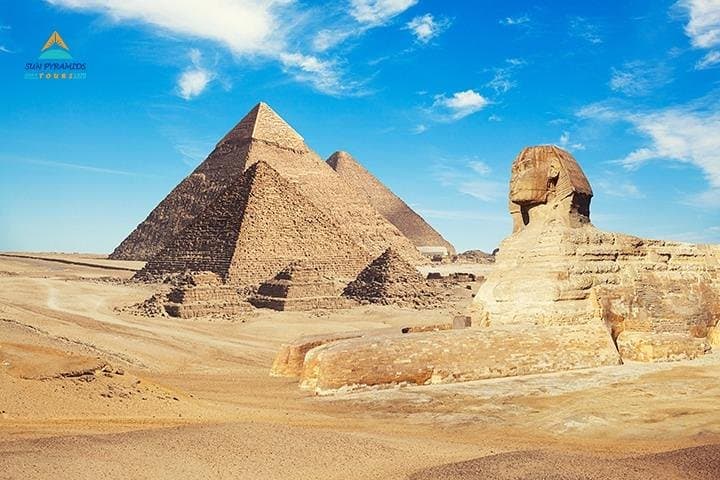
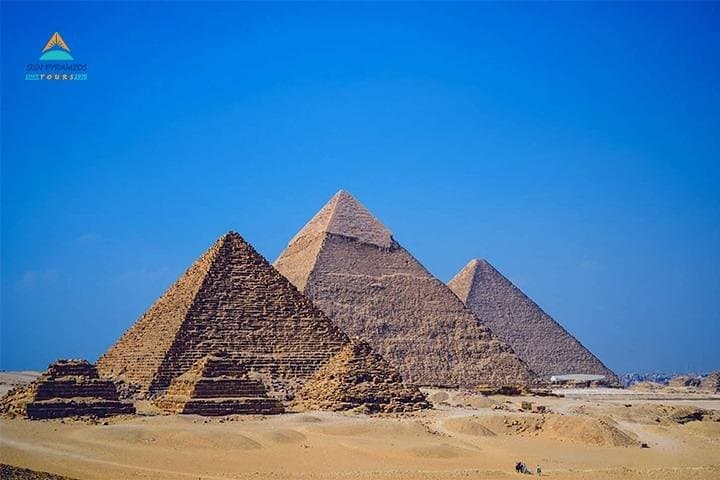
This ride threads natural and human history. The Giza Plateau is Late Neolithic to Old Kingdom in human terms, and geologically it’s a raised limestone bench carved by the Nile’s ancient courses. The three main pyramids—Khufu (Cheops), Khafre (Chephren) and Menkaure (Mykerinus)—anchor a landscape stitched with quarry scars, the Valley Temple’s red granite, and the Sphinx, a limestone statue tied to funerary ritual and royal iconography.
Locals read this plateau as working place and showpiece: camel handlers who know the light for the best photos, vendors with local sweets, and guides who explain the Valley Temple’s role in mummification and purification.
Practical guidance: tours typically last about four hours with pickup and return; the camel segment runs roughly 1.5–2.5 hours. Wear closed shoes for sand and rocky footing, sun protection, and bring water—even if bottled water is provided. Expect short walks, plenty of photo stops, and basic negotiation if you extend time with handlers. Be mindful of cultural etiquette around photography and modest dress. Morning or late-afternoon departures give cooler temperatures and cleaner light for photos. Tipping for handlers and guides is customary; plan small local currency for tips and purchases.
easy.
3–4 hours.
Suitable for travelers in basic physical condition who can mount and sit a camel for up to two hours and manage short walks on uneven ground.
Yes—this tour includes entrance fees to the Giza Plateau sites listed in the itinerary.
Pickup and return from Cairo hotels is included; airport or distant suburb pickups may carry an extra fee—confirm at booking.
Yes—handlers are experienced and will assist mounting and dismounting, but let them know of concerns and avoid sudden movements during the camel’s rise and sit cycles.
Drone use in Egypt requires permits and is generally restricted around archaeological sites; tripods are usually allowed but check the latest site rules to avoid issues.
The Giza complex dates to Egypt’s Old Kingdom (c. 2600–2500 BCE) and was part of state funerary practice centered on royal afterlife beliefs.
Visitor pressure and informal souvenir sales stress the plateau—stick to marked paths, avoid touching ancient stone, and support licensed guides to reduce unmanaged foot traffic.
Sun Pyramids Vip Tours operates guided outdoor trips and adventures with an emphasis on safety, stewardship, and memorable experiences.
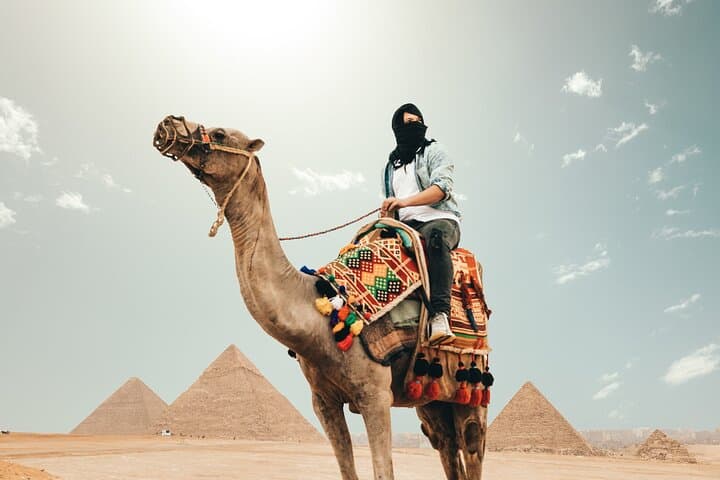
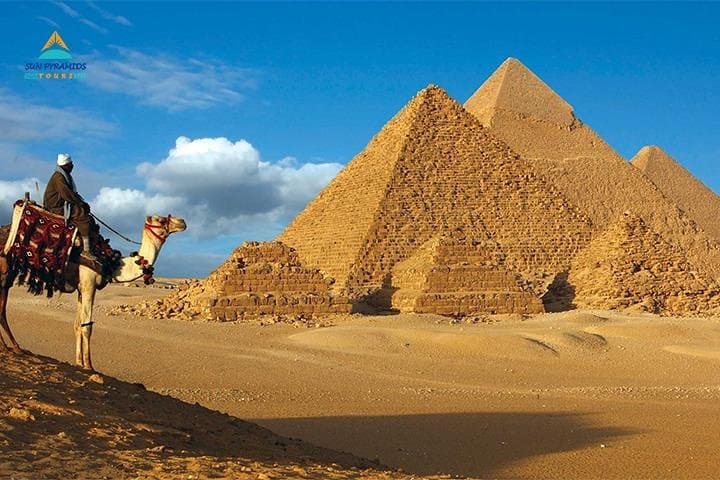
Sunlight slants across wind-scoured sand as a single-file line of camels moves toward stone giants that have held the horizon for millennia. The camel’s slow gait makes every step a small negotiation with the desert; the pyramids’ faces grow from flat shapes to blocks, seams and weathered casing stones until you stand beneath the Great Pyramid itself.
Sunlight slants across wind-scoured sand as a single-file line of camels moves toward stone giants that have held the horizon for millennia. The camel’s slow gait makes every step a small negotiation with the desert; the pyramids’ faces grow from flat shapes to blocks, seams and weathered casing stones until you stand beneath the Great Pyramid itself.
This ride threads natural and human history. The Giza Plateau is Late Neolithic to Old Kingdom in human terms, and geologically it’s a raised limestone bench carved by the Nile’s ancient courses. The three main pyramids—Khufu (Cheops), Khafre (Chephren) and Menkaure (Mykerinus)—anchor a landscape stitched with quarry scars, the Valley Temple’s red granite, and the Sphinx, a limestone statue tied to funerary ritual and royal iconography.
Locals read this plateau as working place and showpiece: camel handlers who know the light for the best photos, vendors with local sweets, and guides who explain the Valley Temple’s role in mummification and purification.
Practical guidance: tours typically last about four hours with pickup and return; the camel segment runs roughly 1.5–2.5 hours. Wear closed shoes for sand and rocky footing, sun protection, and bring water—even if bottled water is provided. Expect short walks, plenty of photo stops, and basic negotiation if you extend time with handlers. Be mindful of cultural etiquette around photography and modest dress. Morning or late-afternoon departures give cooler temperatures and cleaner light for photos. Tipping for handlers and guides is customary; plan small local currency for tips and purchases.