THE ADVENTURE COLLECTIVE® · Independent discovery and booking for outdoor travel

Ride a camel across the Giza Plateau and meet the Great Pyramids and Sphinx on a roughly 4‑hour private tour from Cairo. This outing combines a desert camel experience with close-up visits to the Valley Temple and panoramic viewpoints for classic pyramid vistas.
Ride a camel across the Giza Plateau and meet the Great Pyramids and Sphinx on a roughly 4‑hour private tour from Cairo. This outing combines a desert camel experience with close-up visits to the Valley Temple and panoramic viewpoints for classic pyramid vistas.
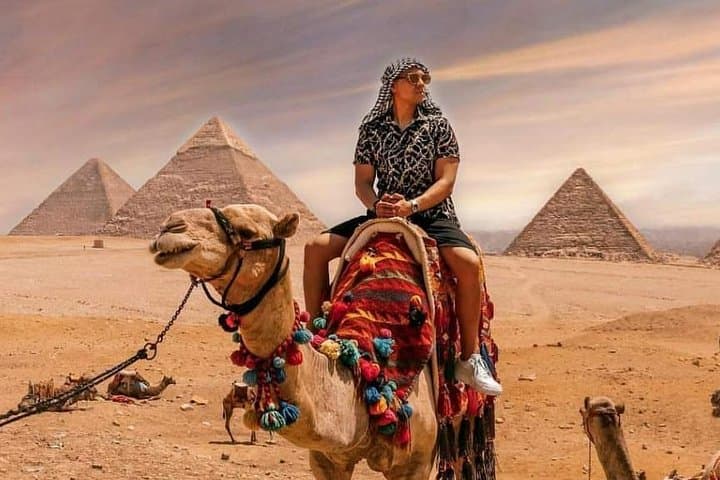
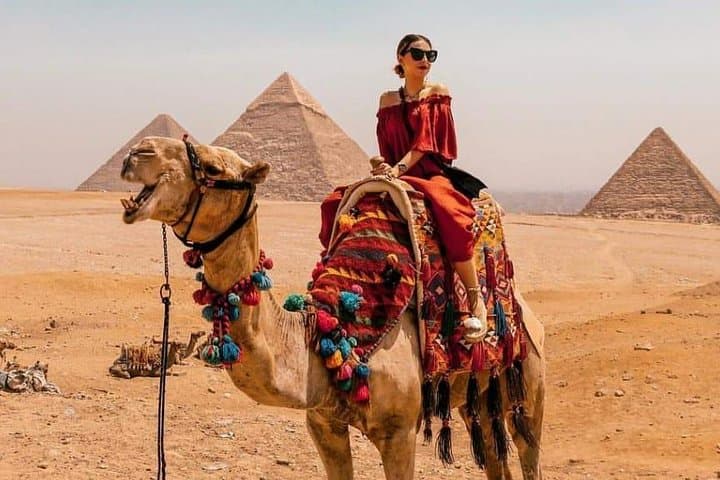
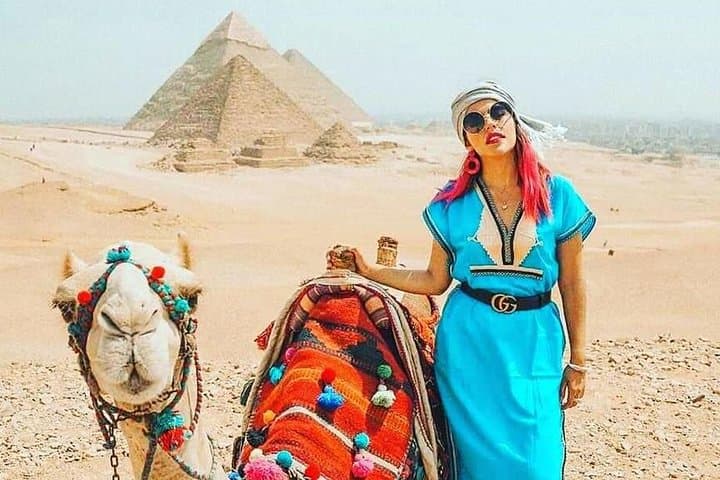
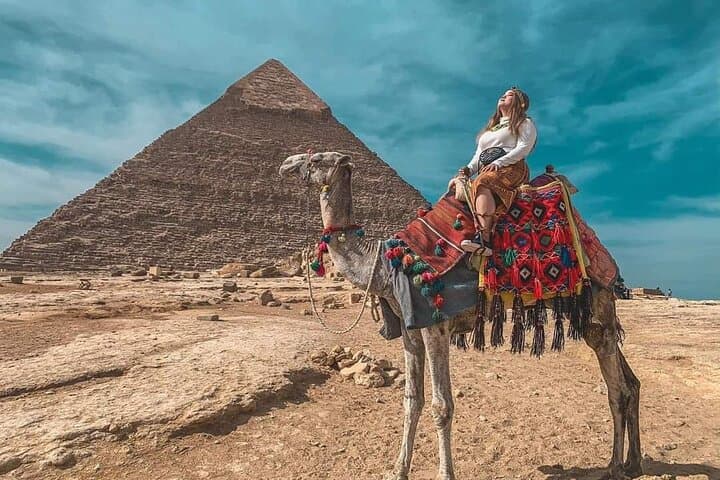
Sand, stone and the slow sway of a camel: you arrive at the Giza Plateau with the city still on the horizon and a horizon of triangles rising from the desert. The camel ride opens the landscape — animals nudging forward, dunes giving way to the ridged faces of Cheops, Chephren and Mykerinos. The wind carries the grit and a faint echo of antiquity as you circle past the Great Pyramid’s mass.
Verified experiences and guided adventures in the surrounding area.
Operated by This Is Egypt · Giza, Giza Governorate
Sand, stone and the slow sway of a camel: you arrive at the Giza Plateau with the city still on the horizon and a horizon of triangles rising from the desert. The camel ride opens the landscape — animals nudging forward, dunes giving way to the ridged faces of Cheops, Chephren and Mykerinos. The wind carries the grit and a faint echo of antiquity as you circle past the Great Pyramid’s mass.
These stone giants date from Egypt’s Old Kingdom, about 4,500 years ago, built as royal tombs using local limestone and granite. The plateau’s geology is a remnant of the Mediterranean’s ancient shoreline; bedrock and quarried blocks create the visual contrast of sharp edges against loose sand. Culture here is immediate: guides read hieroglyph fragments and explain ritual spaces such as the Valley Temple where mummification rites occurred.
Practically, expect a roughly 4-hour private outing that slots a camel section of about 2–2.5 hours with stops at the Sphinx, the Valley Temple and a panoramic viewpoint that lines up multiple pyramids. The terrain is flat desert and packed sand with occasional loose patches — camel saddle height and mounting matters more than endurance. Bring sun protection, a secure camera and patience for vendors near the monuments.
Timing matters: early morning or late afternoon brings cooler light and fewer crowds. Listen to your guide about permitted routes — climbing the pyramids is prohibited — and leave room in your schedule for the short drives between sites.
easy.
4 hours.
Suitable for most fitness levels; you should be able to mount/dismount a camel and walk short distances.
Yes — the tour information lists entrance fees to the mentioned sites as included in the price.
Yes — local handlers lead camels and provide basic instructions; riders should follow the handler’s cues and take care when mounting and dismounting.
Pickup and return from Cairo hotels is included; pickups from certain distant points such as the airport or New Administrative Capital may incur extra charges.
No — climbing the pyramids is prohibited and touching or removing archaeological material is not allowed; follow guide directions and posted rules to protect the site.
The Great Pyramids are Old Kingdom royal tombs built around 2600–2500 BCE; the Sphinx and Valley Temple are associated with funerary rites of pharaohs, notably Chephren.
The Giza Plateau is protected but faces heavy visitation; avoid climbing structures, follow designated paths and minimize plastic and litter to reduce impacts.
This Is Egypt operates guided outdoor trips and adventures with an emphasis on safety, stewardship, and memorable experiences.
Sand, stone and the slow sway of a camel: you arrive at the Giza Plateau with the city still on the horizon and a horizon of triangles rising from the desert. The camel ride opens the landscape — animals nudging forward, dunes giving way to the ridged faces of Cheops, Chephren and Mykerinos. The wind carries the grit and a faint echo of antiquity as you circle past the Great Pyramid’s mass.
Sand, stone and the slow sway of a camel: you arrive at the Giza Plateau with the city still on the horizon and a horizon of triangles rising from the desert. The camel ride opens the landscape — animals nudging forward, dunes giving way to the ridged faces of Cheops, Chephren and Mykerinos. The wind carries the grit and a faint echo of antiquity as you circle past the Great Pyramid’s mass.
These stone giants date from Egypt’s Old Kingdom, about 4,500 years ago, built as royal tombs using local limestone and granite. The plateau’s geology is a remnant of the Mediterranean’s ancient shoreline; bedrock and quarried blocks create the visual contrast of sharp edges against loose sand. Culture here is immediate: guides read hieroglyph fragments and explain ritual spaces such as the Valley Temple where mummification rites occurred.
Practically, expect a roughly 4-hour private outing that slots a camel section of about 2–2.5 hours with stops at the Sphinx, the Valley Temple and a panoramic viewpoint that lines up multiple pyramids. The terrain is flat desert and packed sand with occasional loose patches — camel saddle height and mounting matters more than endurance. Bring sun protection, a secure camera and patience for vendors near the monuments.
Timing matters: early morning or late afternoon brings cooler light and fewer crowds. Listen to your guide about permitted routes — climbing the pyramids is prohibited — and leave room in your schedule for the short drives between sites.