THE ADVENTURE COLLECTIVE® · Independent discovery and booking for outdoor travel

Combine the ancient awe of the Giza pyramids with an adrenaline-charged ATV loop and a traditional camel ride. This private day tour blends guided history with hands-on desert adventure for a full-day Cairo escape.
Combine the ancient awe of the Giza pyramids with an adrenaline-charged ATV loop and a traditional camel ride. This private day tour blends guided history with hands-on desert adventure for a full-day Cairo escape.
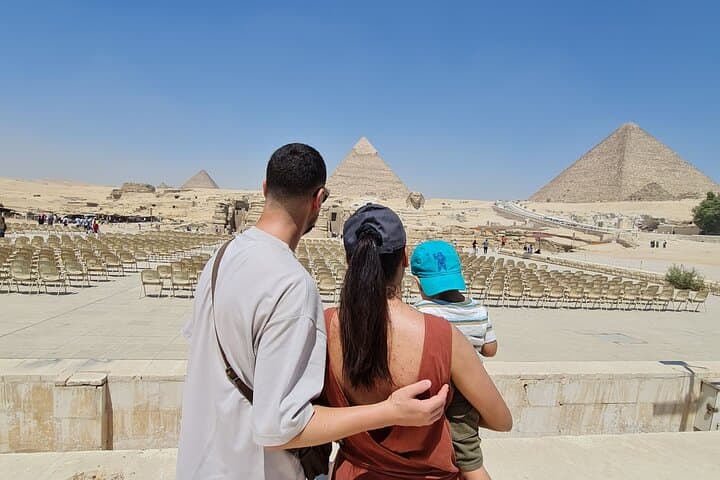
You arrive at the Giza Plateau with sun low and wind already shaping the dunes; the pyramids cut silhouettes against a pale blue sky while the Sphinx watches over the low surge of tourists and the odd flutter of desert birds. The air smells of warm stone and dust; the sand dares you forward as guides point out photo angles and safety gear is checked.
Verified experiences and guided adventures in the surrounding area.
Operated by Daily Pyramids Tours · Giza, Giza Governorate
You arrive at the Giza Plateau with sun low and wind already shaping the dunes; the pyramids cut silhouettes against a pale blue sky while the Sphinx watches over the low surge of tourists and the odd flutter of desert birds. The air smells of warm stone and dust; the sand dares you forward as guides point out photo angles and safety gear is checked.
The plateau is limestone and Eocene bedrock sculpted by ancient quarrying and millennia of wind. Built around 2500 BCE, Khufu’s pyramid and its neighbors sit on the edge of a living city—modern Cairo’s pulse visible beyond the sand. Local Bedouin and Cairo vendors create a cultural contrast: ancient funerary architecture meets contemporary street commerce.
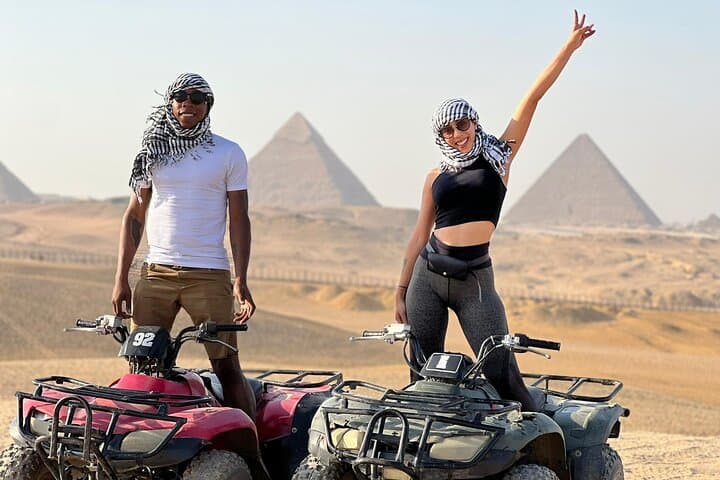
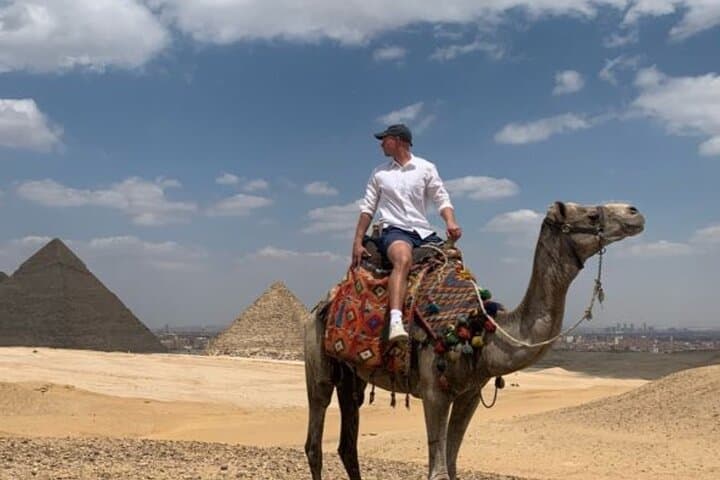
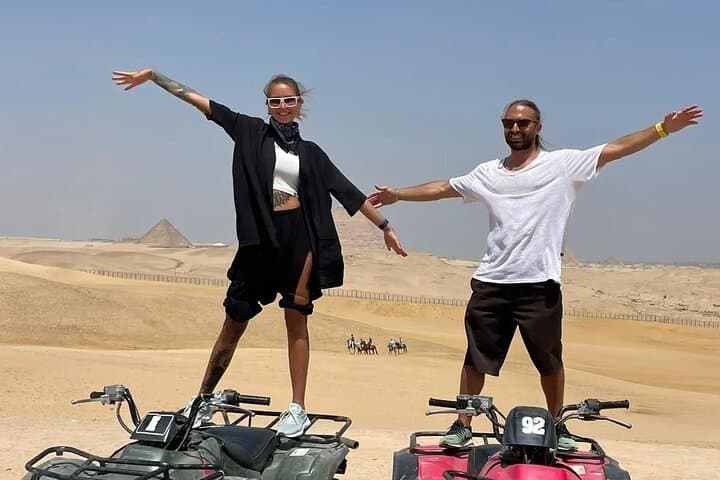
Expect a layered day: guided walkthroughs near key monuments, the Great Sphinx’s battered profile and the valley temple’s carved blocks, then a controlled ATV loop across dunes followed by a measured camel walk to capture classic photos. The geology underfoot shifts from compacted rock to loose sand; traction and attention change accordingly.
Practical guide: schedule early morning or late afternoon to avoid peak heat and harsh light. Bring closed-toe shoes, high-SPF sunscreen, a lightweight scarf for sand, and cash for small purchases and tipping. Follow the guide’s instructions for ATV controls and mounting camels; stick to permitted riding zones to protect archaeological areas. Carry ID and printed or mobile tickets for site entry. Hydrate frequently and plan for 5–6 hours including transfers. With safety gear on and a moderate pace, the tour balances history and adrenaline—leaving you with photographs and a clear sense of how the desert, the stones, and the city meet here.
moderate.
5–6 hours.
Suitable for travelers in average fitness—must be able to mount a camel and handle brief ATV activity.
The tour description indicates entry fees are included depending on the option booked—confirm your chosen package when you reserve.
Yes—rides are guided with safety gear and basic instruction; disclose any medical concerns before participating.
Camel rides require mounting and sitting in a high saddle; consult the operator and your doctor if you have spinal or mobility issues.
Pickup is available from most accommodations; note there may be an extra fee for airport pickup—check the booking details.
The Giza complex dates to Egypt’s Fourth Dynasty (c. 2600–2500 BCE); Khufu’s Great Pyramid remains one of the oldest monumental structures on Earth.
Stay on approved paths and follow guides’ instructions—vehicular access is restricted in sensitive zones to limit erosion and damage to archaeological layers.
Daily Pyramids Tours operates guided outdoor trips and adventures with an emphasis on safety, stewardship, and memorable experiences.
You arrive at the Giza Plateau with sun low and wind already shaping the dunes; the pyramids cut silhouettes against a pale blue sky while the Sphinx watches over the low surge of tourists and the odd flutter of desert birds. The air smells of warm stone and dust; the sand dares you forward as guides point out photo angles and safety gear is checked.
You arrive at the Giza Plateau with sun low and wind already shaping the dunes; the pyramids cut silhouettes against a pale blue sky while the Sphinx watches over the low surge of tourists and the odd flutter of desert birds. The air smells of warm stone and dust; the sand dares you forward as guides point out photo angles and safety gear is checked.
The plateau is limestone and Eocene bedrock sculpted by ancient quarrying and millennia of wind. Built around 2500 BCE, Khufu’s pyramid and its neighbors sit on the edge of a living city—modern Cairo’s pulse visible beyond the sand. Local Bedouin and Cairo vendors create a cultural contrast: ancient funerary architecture meets contemporary street commerce.
Expect a layered day: guided walkthroughs near key monuments, the Great Sphinx’s battered profile and the valley temple’s carved blocks, then a controlled ATV loop across dunes followed by a measured camel walk to capture classic photos. The geology underfoot shifts from compacted rock to loose sand; traction and attention change accordingly.
Practical guide: schedule early morning or late afternoon to avoid peak heat and harsh light. Bring closed-toe shoes, high-SPF sunscreen, a lightweight scarf for sand, and cash for small purchases and tipping. Follow the guide’s instructions for ATV controls and mounting camels; stick to permitted riding zones to protect archaeological areas. Carry ID and printed or mobile tickets for site entry. Hydrate frequently and plan for 5–6 hours including transfers. With safety gear on and a moderate pace, the tour balances history and adrenaline—leaving you with photographs and a clear sense of how the desert, the stones, and the city meet here.