THE ADVENTURE COLLECTIVE® · Independent discovery and booking for outdoor travel

Combine a guided walk among the Great Pyramid and Sphinx with a 30-minute camel ride and an hour of ATV time on the Giza Plateau. Perfect for travelers who want active desert time plus archaeological context and a restaurant lunch.
Combine a guided walk among the Great Pyramid and Sphinx with a 30-minute camel ride and an hour of ATV time on the Giza Plateau. Perfect for travelers who want active desert time plus archaeological context and a restaurant lunch.
Morning light strips the Giza Plateau into hard lines; the Great Pyramid throws a long, ancient shadow while the desert wind brushes grit against your boots. Guests meet in an air-conditioned vehicle, then step onto the plateau where limestone blocks and sandy tracks define the route between the structures.
Verified experiences and guided adventures in the surrounding area.
Operated by Tourzana · Giza, Giza Governorate
Morning light strips the Giza Plateau into hard lines; the Great Pyramid throws a long, ancient shadow while the desert wind brushes grit against your boots. Guests meet in an air-conditioned vehicle, then step onto the plateau where limestone blocks and sandy tracks define the route between the structures.
This tour threads archaeology and shallow desert explorations: the Great Pyramid of Khufu (circa 2560 BCE) dominates the site while smaller pyramids for queens and subsidiary burials cluster nearby. Geologically, the plateau is a raised limestone bench carved by millennia of erosion—stones worn smooth, sand piled in lee-ward drifts. Local guides weave cultural context into the walk, explaining pharaonic burial practices and the Sphinx’s iconography, and pointing out the Solar Boat Museum and lesser-known anticline outcrops around the plateau.
After the guided circuit, the group moves to a panorama viewpoint for unobstructed photos, then splits for an optional camel ride into the desert and an hour-long ATV loop over packed sand and gentle dunes. Both options offer different paces: the camel steadies you to the landscape’s rhythm; the ATV pushes forward, engine and sand answering each other.
Practical guidance: book morning or late afternoon to avoid peak heat and harsh light. Wear closed-toe shoes for rocky footing, bring layered sun protection, and carry cash for optional extras and tips. Expect uneven ground, short walks between sights, and brief vehicle transfers. Respect site rules—no climbing on monuments—and keep to marked paths to minimize impact. The combination of history and active desert travel makes this a compact, high-value Giza experience.
moderate.
3–5 hours.
Moderate fitness: able to walk short distances on uneven ground and tolerate desert heat for a few hours.
Entry options vary by booking; some choices include getting inside the 3rd pyramid—confirm the selected option before arrival.
Yes—staff provide basic instruction and a short practice before the guided one-hour loop; expect packed sand and mild dunes, not technical riding.
Children can usually ride camels; ATV participation depends on age and weight restrictions—check with the operator at booking.
Yes—the tour includes hotel pickup and return in an air-conditioned vehicle within Cairo and Giza pickup zones.
The Great Pyramid of Khufu dates to around 2560 BCE and remains the largest pyramid on the Giza Plateau, built as a royal tomb during Egypt’s Fourth Dynasty.
Heavy visitation requires sticking to marked paths and following guide instructions; avoid touching masonry and pack out waste to limit erosion and human impact.
Tourzana operates guided outdoor trips and adventures with an emphasis on safety, stewardship, and memorable experiences.
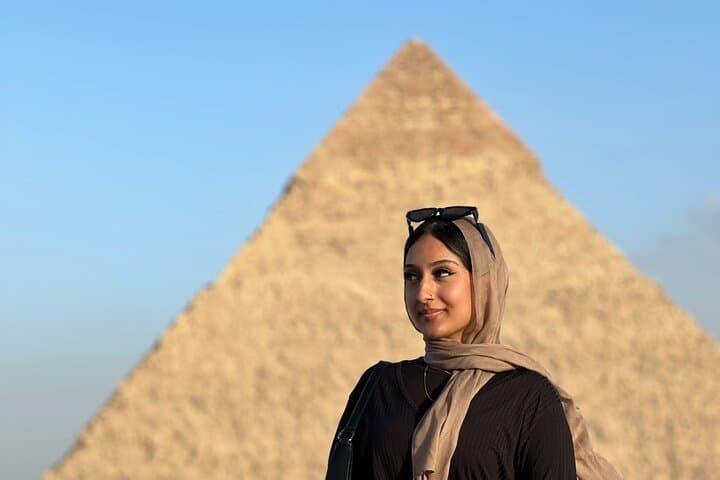
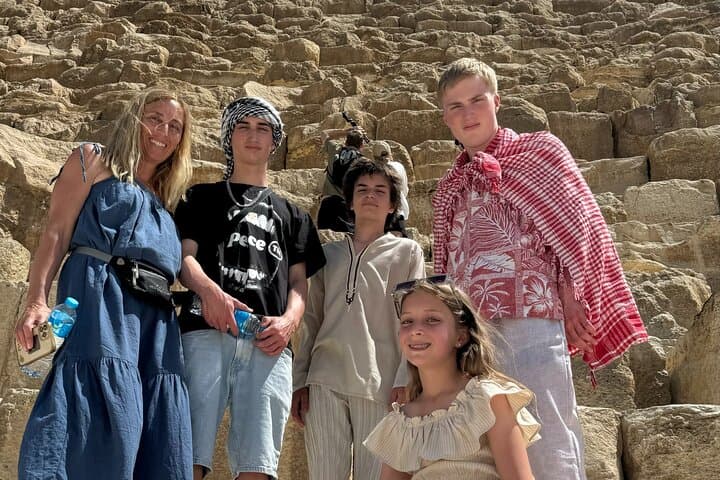
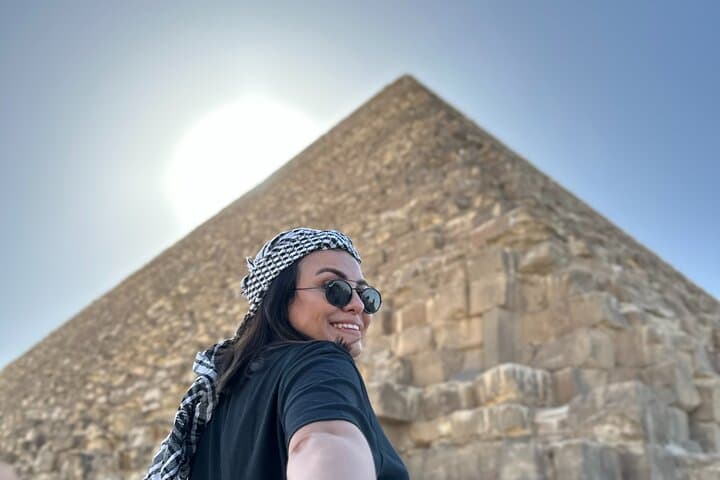
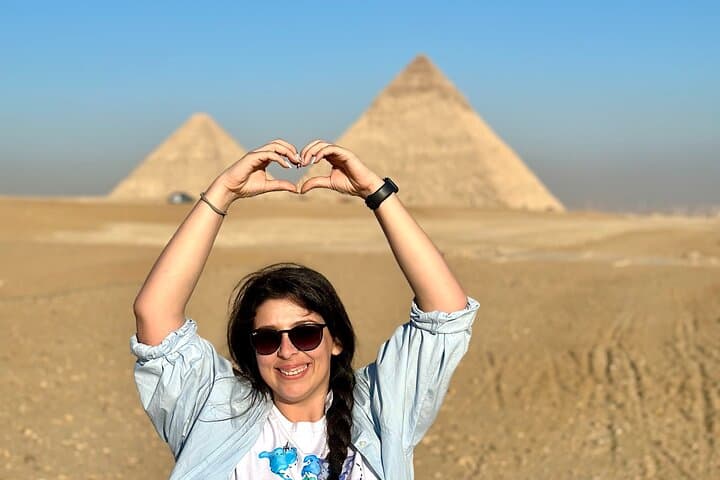
Morning light strips the Giza Plateau into hard lines; the Great Pyramid throws a long, ancient shadow while the desert wind brushes grit against your boots. Guests meet in an air-conditioned vehicle, then step onto the plateau where limestone blocks and sandy tracks define the route between the structures.
Morning light strips the Giza Plateau into hard lines; the Great Pyramid throws a long, ancient shadow while the desert wind brushes grit against your boots. Guests meet in an air-conditioned vehicle, then step onto the plateau where limestone blocks and sandy tracks define the route between the structures.
This tour threads archaeology and shallow desert explorations: the Great Pyramid of Khufu (circa 2560 BCE) dominates the site while smaller pyramids for queens and subsidiary burials cluster nearby. Geologically, the plateau is a raised limestone bench carved by millennia of erosion—stones worn smooth, sand piled in lee-ward drifts. Local guides weave cultural context into the walk, explaining pharaonic burial practices and the Sphinx’s iconography, and pointing out the Solar Boat Museum and lesser-known anticline outcrops around the plateau.
After the guided circuit, the group moves to a panorama viewpoint for unobstructed photos, then splits for an optional camel ride into the desert and an hour-long ATV loop over packed sand and gentle dunes. Both options offer different paces: the camel steadies you to the landscape’s rhythm; the ATV pushes forward, engine and sand answering each other.
Practical guidance: book morning or late afternoon to avoid peak heat and harsh light. Wear closed-toe shoes for rocky footing, bring layered sun protection, and carry cash for optional extras and tips. Expect uneven ground, short walks between sights, and brief vehicle transfers. Respect site rules—no climbing on monuments—and keep to marked paths to minimize impact. The combination of history and active desert travel makes this a compact, high-value Giza experience.