THE ADVENTURE COLLECTIVE® · Independent discovery and booking for outdoor travel

Stand on the Giza Plateau where the Great Pyramid and the Sphinx shape the skyline. This practical guide outlines what to expect—history, terrain, timing, and tips to make the most of your visit.
Stand on the Giza Plateau where the Great Pyramid and the Sphinx shape the skyline. This practical guide outlines what to expect—history, terrain, timing, and tips to make the most of your visit.
You arrive on the Giza Plateau with wind moving sand across sun-baked stones and the Great Pyramid rising like an engineered mountain against a Cairo sky. The Sphinx sits guard nearby—stone jaw tight, gaze pushed toward the horizon—while handlers lead camels and vendors lay out woven wares on blankets.
Verified experiences and guided adventures in the surrounding area.
Operated by Amon Ra Toura · Giza, Cairo Governorate
You arrive on the Giza Plateau with wind moving sand across sun-baked stones and the Great Pyramid rising like an engineered mountain against a Cairo sky. The Sphinx sits guard nearby—stone jaw tight, gaze pushed toward the horizon—while handlers lead camels and vendors lay out woven wares on blankets.
This place is ancient and engineered: the Great Pyramid of Khufu (Cheops) dates to around 2560 BCE and remains the largest of the three main pyramids; the Sphinx, likely associated with Khafre, blends carved limestone with centuries of repair. The plateau’s bedrock is part of the Nile Delta’s uplifted desert—soft limestone that records both human shaping and millennia of wind. Around the site, modern Cairo presses close: markets, mosques, and craftspeople continue traditions tied to papyrus, perfume oils and engraved cartouches.
On a practical level, expect uneven limestone and loose sand underfoot, short climbs to viewpoints, and active vendors. Entrance to the plateau and to interior pyramid chambers often require separate tickets; bring cash for small purchases and tips. Early morning or late afternoon visits reduce heat and crowds and produce cleaner light for photography. Wear sturdy shoes, a sun hat, and layers for cool desert evenings; carry at least one liter of water per person and respect restricted areas—staying on designated paths helps preserve fragile surfaces.
Plan for a half- to full-day excursion depending on stops at the Solar Boat Museum, papyrus workshops, and a visit to a local bazaar. The site offers an unmistakable blend of spectacle and measurable logistics: grand stones, close-up history, and simple rules that keep the place standing for the next traveler.
easy.
4–8 hours.
Suitable for travelers in normal walking condition; involves uneven ground and short climbs.
Entrance to the Giza Plateau is typically charged separately, and access to the interior of pyramids usually requires an additional ticket; confirm with your operator before you go.
Much of the plateau is uneven and not fully accessible; some viewpoints can be reached by vehicle or with assisted access—check in advance for arrangements.
Camel and horse rides are offered by local handlers but are unofficial and require negotiation and tipping; safety and animal welfare standards vary.
Early morning or late afternoon avoids peak heat, reduces haze for photographs, and generally means fewer crowds.
The Great Pyramid of Khufu was completed around 2560 BCE as a royal tomb; the Sphinx is commonly associated with Pharaoh Khafre and has undergone centuries of restoration.
High visitor numbers and urban pollution stress the limestone; follow paths, avoid touching weathered faces, and support local conservation initiatives when possible.
Amon Ra Toura operates guided outdoor trips and adventures with an emphasis on safety, stewardship, and memorable experiences.
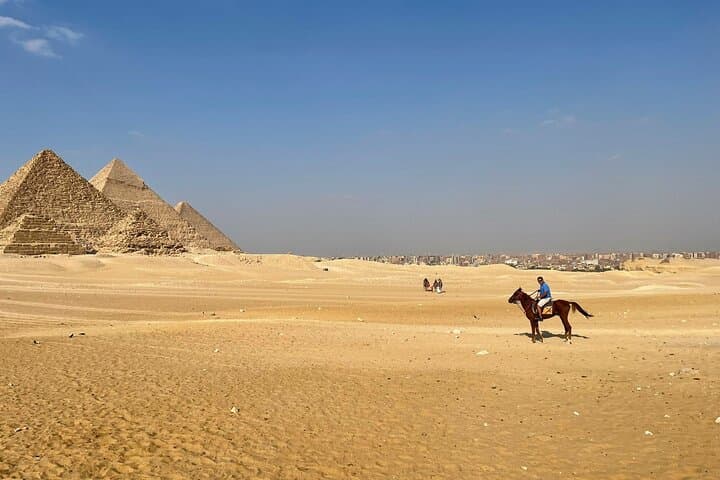
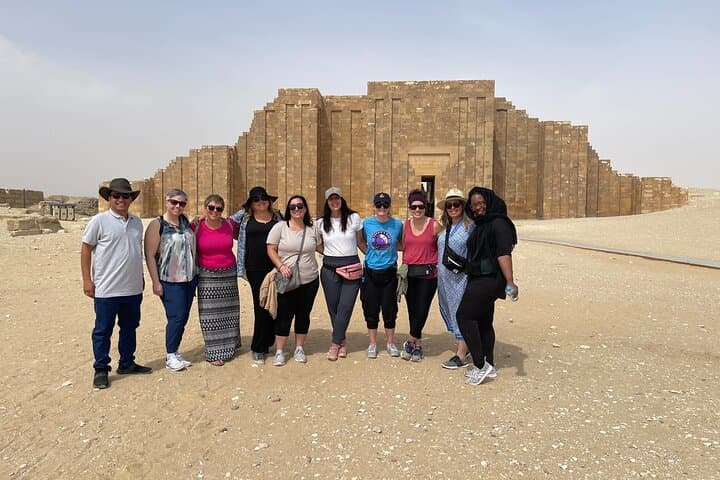
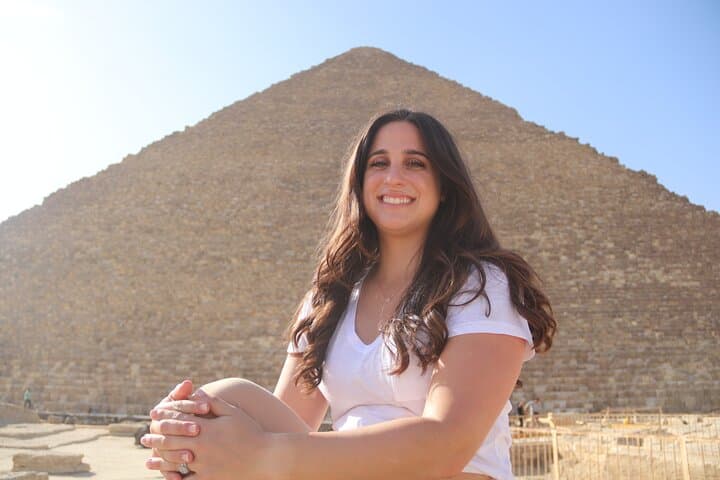
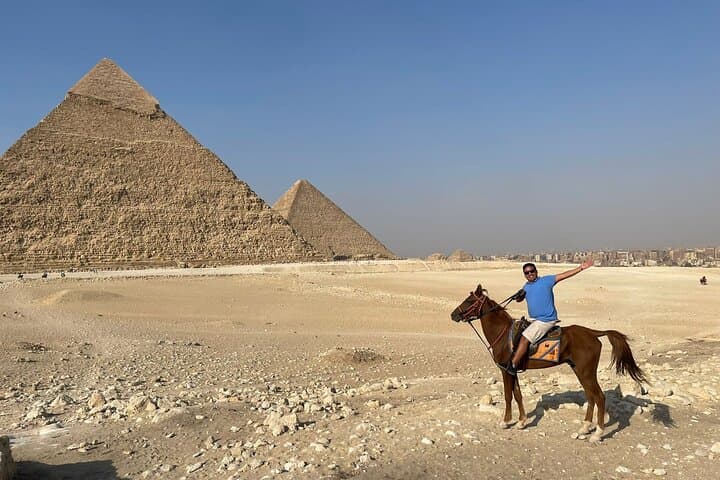
You arrive on the Giza Plateau with wind moving sand across sun-baked stones and the Great Pyramid rising like an engineered mountain against a Cairo sky. The Sphinx sits guard nearby—stone jaw tight, gaze pushed toward the horizon—while handlers lead camels and vendors lay out woven wares on blankets.
You arrive on the Giza Plateau with wind moving sand across sun-baked stones and the Great Pyramid rising like an engineered mountain against a Cairo sky. The Sphinx sits guard nearby—stone jaw tight, gaze pushed toward the horizon—while handlers lead camels and vendors lay out woven wares on blankets.
This place is ancient and engineered: the Great Pyramid of Khufu (Cheops) dates to around 2560 BCE and remains the largest of the three main pyramids; the Sphinx, likely associated with Khafre, blends carved limestone with centuries of repair. The plateau’s bedrock is part of the Nile Delta’s uplifted desert—soft limestone that records both human shaping and millennia of wind. Around the site, modern Cairo presses close: markets, mosques, and craftspeople continue traditions tied to papyrus, perfume oils and engraved cartouches.
On a practical level, expect uneven limestone and loose sand underfoot, short climbs to viewpoints, and active vendors. Entrance to the plateau and to interior pyramid chambers often require separate tickets; bring cash for small purchases and tips. Early morning or late afternoon visits reduce heat and crowds and produce cleaner light for photography. Wear sturdy shoes, a sun hat, and layers for cool desert evenings; carry at least one liter of water per person and respect restricted areas—staying on designated paths helps preserve fragile surfaces.
Plan for a half- to full-day excursion depending on stops at the Solar Boat Museum, papyrus workshops, and a visit to a local bazaar. The site offers an unmistakable blend of spectacle and measurable logistics: grand stones, close-up history, and simple rules that keep the place standing for the next traveler.