THE ADVENTURE COLLECTIVE® · Independent discovery and booking for outdoor travel

Walk among 4,500-year-old pyramids and the enigmatic Sphinx on a condensed, 5-hour guided tour from Cairo or Giza. Expect a private Egyptologist-led visit, a 30-minute camel ride and lunch with pyramid views—plus practical tips for entrance fees and timing.
Walk among 4,500-year-old pyramids and the enigmatic Sphinx on a condensed, 5-hour guided tour from Cairo or Giza. Expect a private Egyptologist-led visit, a 30-minute camel ride and lunch with pyramid views—plus practical tips for entrance fees and timing.
Sand spits underfoot, the limestone faces of the pyramids catch the morning light like pages of a ruined atlas. You step out of an air-conditioned van into a wind that seems to remember millennia and the three great pyramids of Giza loom, precise and indifferent, while the Sphinx watches with its eroded, human face.
Verified experiences and guided adventures in the surrounding area.
Operated by Upper Egypt Services · Giza, Giza Governorate
Sand spits underfoot, the limestone faces of the pyramids catch the morning light like pages of a ruined atlas. You step out of an air-conditioned van into a wind that seems to remember millennia and the three great pyramids of Giza loom, precise and indifferent, while the Sphinx watches with its eroded, human face.
These monuments date to Egypt’s Old Kingdom—Khufu, Khafre and Menkaure—built from quarried blocks and organized labor that reshaped the plateau’s geology. The Valley Temple and the nearby Solar Boat Museum speak to funerary technology and a culture obsessed with the afterlife; your Egyptologist guide fills in the political and religious context as you walk the stones.
Culturally, the plateau sits at the intersection of modern Cairo’s bustle and ancient ritual; vendors and camel handlers work alongside archaeologists and conservators. Expect sand-swept surfaces, sharply defined shadows, and the persistent skyline of the city behind the monuments.
Practical guidance: tours typically run about five hours with hotel pickup; bring sunscreen, a wide-brim hat and comfortable walking shoes. If you want to enter the Great Pyramid or visit the boat museum, plan for extra entrance fees and slower lines. Camel rides are short and guided; confirm pricing and duration before mounting. Aim for early morning or late afternoon to avoid peak heat and the strongest light for photos.
Follow site rules—don’t climb or touch fragile masonry—and carry water. The experience is equal parts archaeology lesson and sensory encounter with a place that continues to reshape how people imagine history.
easy.
5 hours.
Suitable for most fitness levels; involves short walks on uneven sand and stone surfaces.
Standard day tours include park access and the plateau visit; entry inside the Great Pyramid and some museums typically requires an additional ticket paid on-site or pre-booked.
Camel rides are guided and short; handlers assist mounting and dismounting—those with serious back or neck issues should avoid riding.
Many operators provide wheelchair-accessible transport and accessible surfaces in select areas, but movement across sand and steps may be limited—confirm accessibility needs when booking.
Yes; tours note stroller-accessible routes, though terrain can be uneven—lightweight, all-terrain strollers work best and infant seats may be available in the vehicle.
The Giza complex was constructed during Egypt’s Fourth Dynasty (c. 2600–2500 BCE) and served as monumental tomb complexes for pharaonic rulers and their rituals.
Erosion, pollution and tourist pressure threaten exposed surfaces; follow site rules, avoid touching masonry, and use established paths to minimize impact.
Upper Egypt Services operates guided outdoor trips and adventures with an emphasis on safety, stewardship, and memorable experiences.
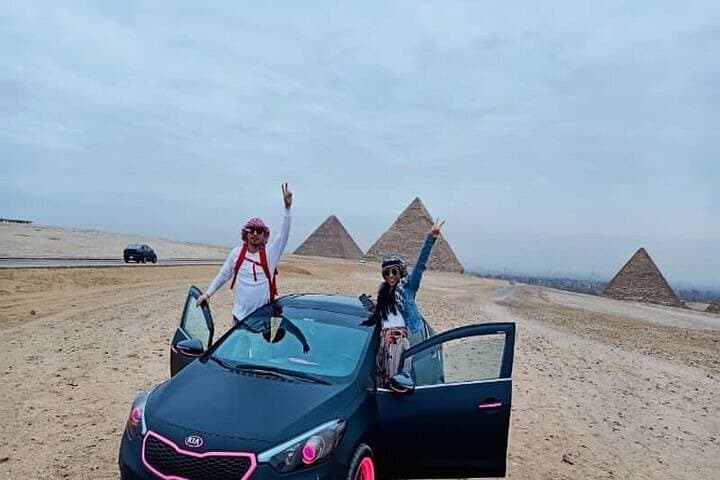
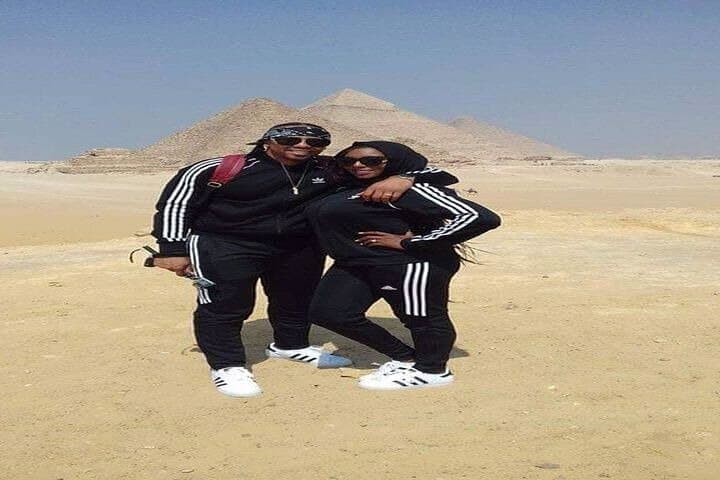
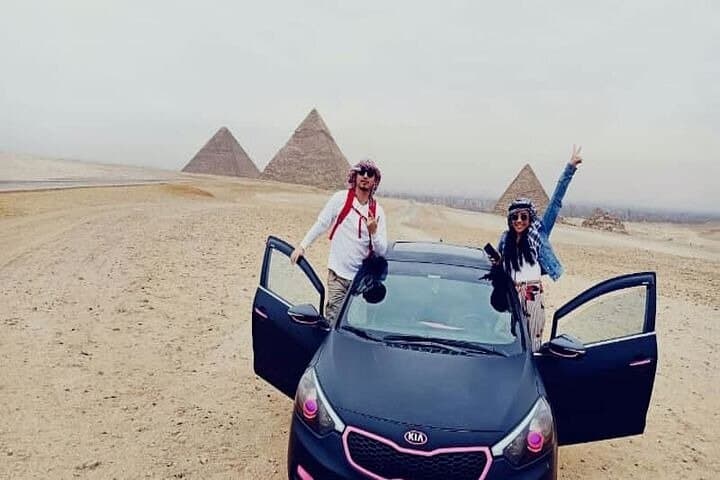
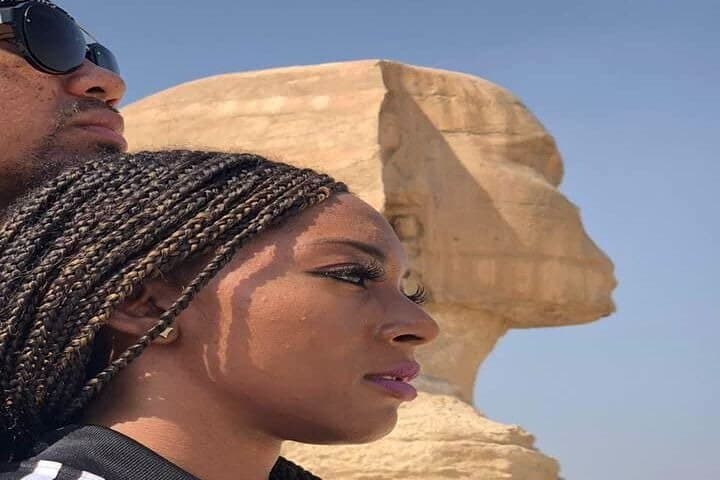
Sand spits underfoot, the limestone faces of the pyramids catch the morning light like pages of a ruined atlas. You step out of an air-conditioned van into a wind that seems to remember millennia and the three great pyramids of Giza loom, precise and indifferent, while the Sphinx watches with its eroded, human face.
Sand spits underfoot, the limestone faces of the pyramids catch the morning light like pages of a ruined atlas. You step out of an air-conditioned van into a wind that seems to remember millennia and the three great pyramids of Giza loom, precise and indifferent, while the Sphinx watches with its eroded, human face.
These monuments date to Egypt’s Old Kingdom—Khufu, Khafre and Menkaure—built from quarried blocks and organized labor that reshaped the plateau’s geology. The Valley Temple and the nearby Solar Boat Museum speak to funerary technology and a culture obsessed with the afterlife; your Egyptologist guide fills in the political and religious context as you walk the stones.
Culturally, the plateau sits at the intersection of modern Cairo’s bustle and ancient ritual; vendors and camel handlers work alongside archaeologists and conservators. Expect sand-swept surfaces, sharply defined shadows, and the persistent skyline of the city behind the monuments.
Practical guidance: tours typically run about five hours with hotel pickup; bring sunscreen, a wide-brim hat and comfortable walking shoes. If you want to enter the Great Pyramid or visit the boat museum, plan for extra entrance fees and slower lines. Camel rides are short and guided; confirm pricing and duration before mounting. Aim for early morning or late afternoon to avoid peak heat and the strongest light for photos.
Follow site rules—don’t climb or touch fragile masonry—and carry water. The experience is equal parts archaeology lesson and sensory encounter with a place that continues to reshape how people imagine history.