THE ADVENTURE COLLECTIVE® · Independent discovery and booking for outdoor travel

Spend a full day moving between the Giza plateau, Saqqara and the Grand Egyptian Museum. This guided tour combines up‑close pyramid views, early funerary architecture and the museum’s Tutankhamun collection with practical tips for timing, heat and logistics.
Spend a full day moving between the Giza plateau, Saqqara and the Grand Egyptian Museum. This guided tour combines up‑close pyramid views, early funerary architecture and the museum’s Tutankhamun collection with practical tips for timing, heat and logistics.
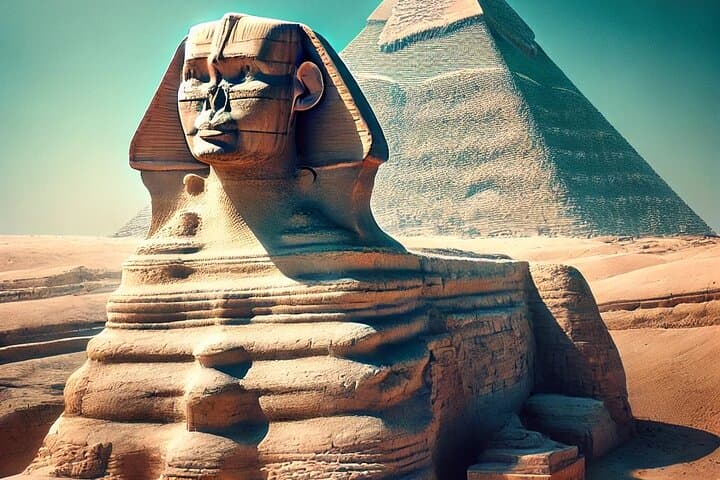
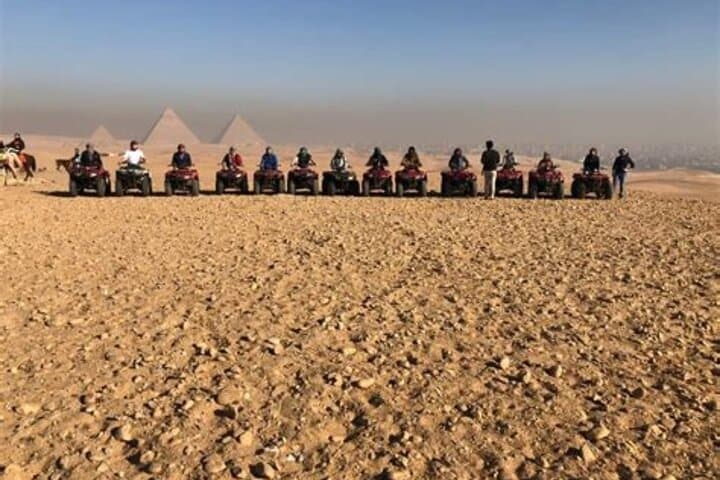
You step off the air‑conditioned vehicle onto a wind‑polished plateau where three pyramids loom like timekeepers set in limestone. The sun throws long angles across dressed stone; sand dares your shoes to leave a mark. Cameras click as guides draw lines between pharaonic ambition and present‑day Cairo.
Verified experiences and guided adventures in the surrounding area.
Operated by Pharaoh · Giza, Giza Governorate
You step off the air‑conditioned vehicle onto a wind‑polished plateau where three pyramids loom like timekeepers set in limestone. The sun throws long angles across dressed stone; sand dares your shoes to leave a mark. Cameras click as guides draw lines between pharaonic ambition and present‑day Cairo.
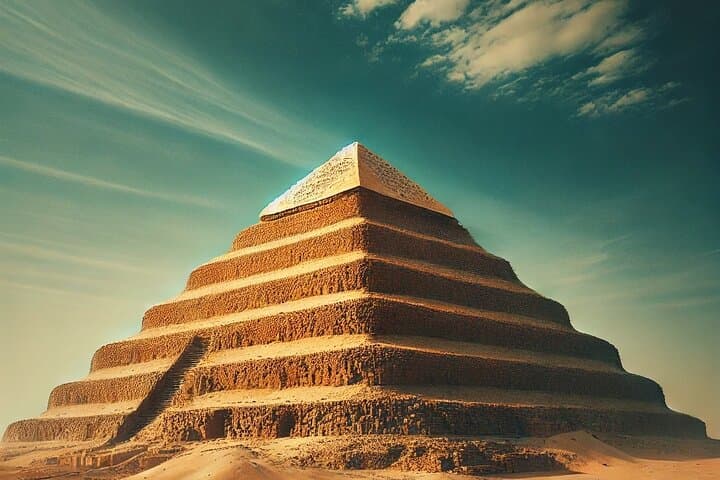
This route moves from the Giza Necropolis—products of Fourth Dynasty engineering—to Saqqara’s Step Pyramid, the prototype of monumental burial. Geologically, the plateau is a raised bed of Eocene limestone quarried by ancient hands; the same stone that gives the pyramids their faceted silhouette now flakes under modern air. Culture threads through the day: the museum’s galleries repatriate artifacts and the Tutankhamun collection, while nearby bazaars trade incense, papyrus and repairable histories.
Expect museum conservation at an industrial scale—climate‑controlled galleries, secured cases and clearly routed visitor flows. The tour also pauses at the Grand Atrium where colossal statuary anchors Egypt’s imperial narrative.
Practical notes: plan for six hours, walkable but on sun‑exposed paths; bring water, sun protection and comfortable shoes with good grip for uneven limestone and sandy footing. Security screening is routine; large bags may be checked. Midday is hottest and busiest—early morning or late afternoon light is better for photos and cooler for exploring Saqqara’s reliefs.
Respect ropes and signage: the best souvenir is a photographed detail, not a dislodged fragment. With basic planning—tickets confirmed, sensible shoes and a charged phone—you’ll leave with clearer timelines, sharper photos and a tangible sense of why these stones still hold stories.
easy.
6 hours.
Moderate mobility and ability to handle several short walks and standing periods; suitable for most fitness levels.
Most tours do not include site entrance fees or museum tickets—confirm with your operator and be prepared to purchase tickets on arrival or prebook tickets online.
Photography rules vary by gallery—non‑flash photos are typically allowed, but flash, tripods and close‑up photos of certain artifacts may be restricted; obey posted signs.
Parts of the Grand Egyptian Museum are accessible with ramps and elevators, but the Giza plateau and Saqqara have uneven terrain; inquire about on‑site mobility assistance if needed.
Wear lightweight, modest clothing covering shoulders and knees when visiting religious or cultural sites and to blend with local norms; a light scarf is useful.
The Step Pyramid at Saqqara marks a shift from mastaba tombs to monumental stone construction under King Djoser (c. 27th century BCE); the Giza pyramids date to the Fourth Dynasty and remain engineering benchmarks.
The Grand Egyptian Museum emphasizes climate‑controlled conservation and reduced handling of artifacts; visitors should follow pathways and avoid touching monuments to limit erosion and wear.
Pharaoh operates guided outdoor trips and adventures with an emphasis on safety, stewardship, and memorable experiences.

You step off the air‑conditioned vehicle onto a wind‑polished plateau where three pyramids loom like timekeepers set in limestone. The sun throws long angles across dressed stone; sand dares your shoes to leave a mark. Cameras click as guides draw lines between pharaonic ambition and present‑day Cairo.
You step off the air‑conditioned vehicle onto a wind‑polished plateau where three pyramids loom like timekeepers set in limestone. The sun throws long angles across dressed stone; sand dares your shoes to leave a mark. Cameras click as guides draw lines between pharaonic ambition and present‑day Cairo.
This route moves from the Giza Necropolis—products of Fourth Dynasty engineering—to Saqqara’s Step Pyramid, the prototype of monumental burial. Geologically, the plateau is a raised bed of Eocene limestone quarried by ancient hands; the same stone that gives the pyramids their faceted silhouette now flakes under modern air. Culture threads through the day: the museum’s galleries repatriate artifacts and the Tutankhamun collection, while nearby bazaars trade incense, papyrus and repairable histories.
Expect museum conservation at an industrial scale—climate‑controlled galleries, secured cases and clearly routed visitor flows. The tour also pauses at the Grand Atrium where colossal statuary anchors Egypt’s imperial narrative.
Practical notes: plan for six hours, walkable but on sun‑exposed paths; bring water, sun protection and comfortable shoes with good grip for uneven limestone and sandy footing. Security screening is routine; large bags may be checked. Midday is hottest and busiest—early morning or late afternoon light is better for photos and cooler for exploring Saqqara’s reliefs.
Respect ropes and signage: the best souvenir is a photographed detail, not a dislodged fragment. With basic planning—tickets confirmed, sensible shoes and a charged phone—you’ll leave with clearer timelines, sharper photos and a tangible sense of why these stones still hold stories.