THE ADVENTURE COLLECTIVE® · Independent discovery and booking for outdoor travel

Explore the Giza Plateau up close and finish the day with a one-hour felucca sail on the Nile. This private day tour combines guided history at the pyramids with a tranquil river perspective of Cairo’s waterfront life.
Explore the Giza Plateau up close and finish the day with a one-hour felucca sail on the Nile. This private day tour combines guided history at the pyramids with a tranquil river perspective of Cairo’s waterfront life.
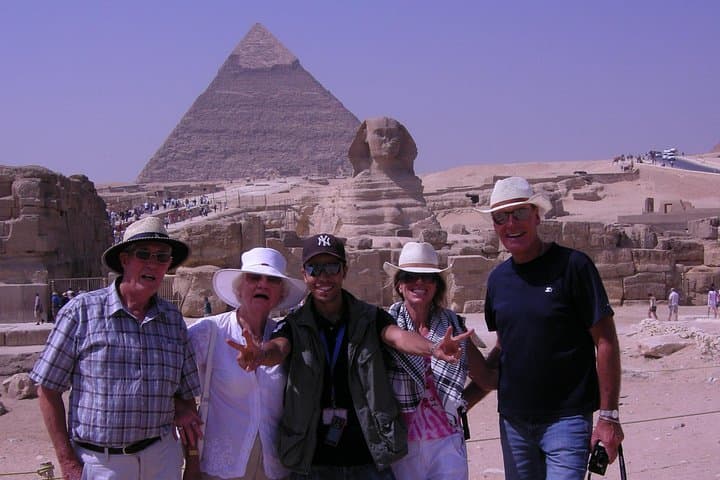
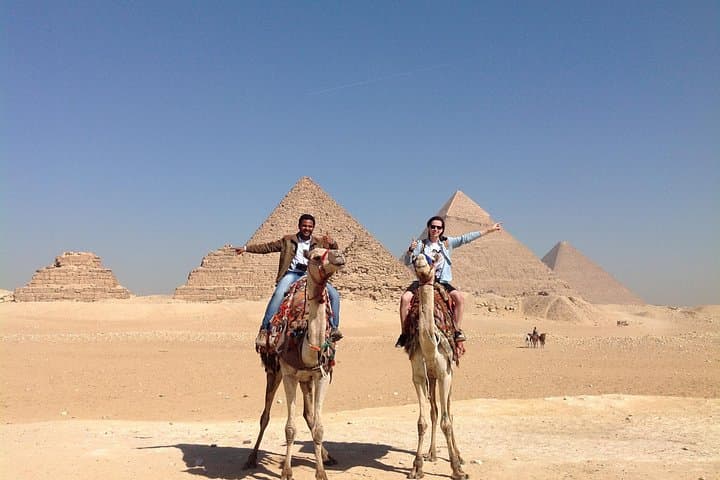
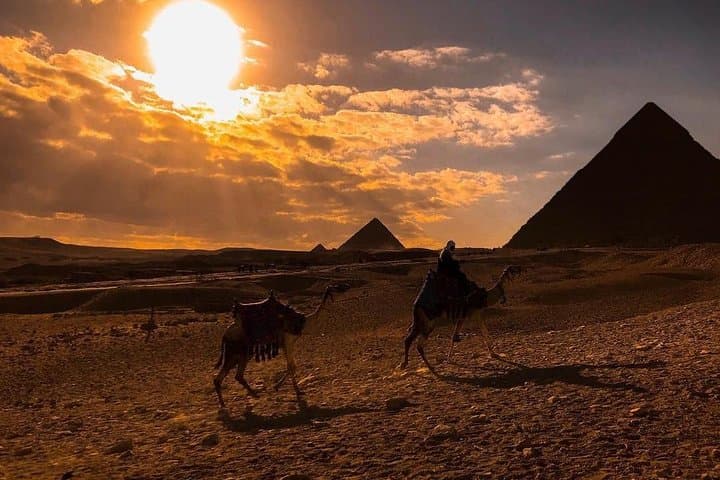
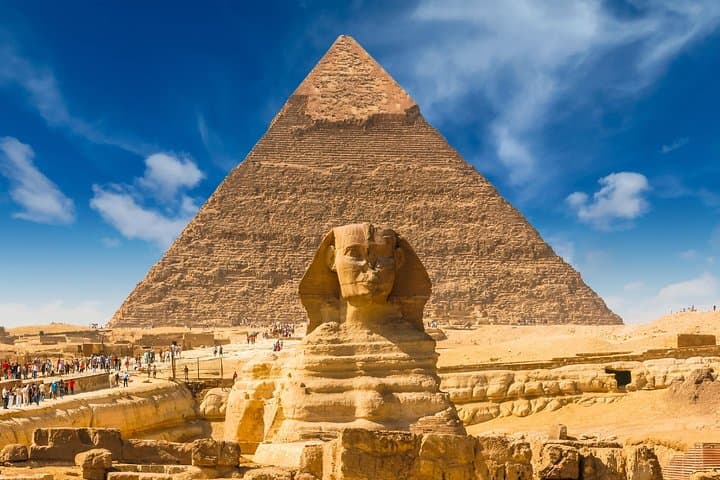
Sunlight slants across the Giza Plateau as you step from a private air-conditioned vehicle onto stone older than language. Sand grits under your boots; wind teases the limestone faces of the Great Pyramid while the Sphinx regards the passing modern city. Later, the Nile opens like a slow-moving road, and a wooden felucca takes you away from traffic into a hush of palms and lapping water.
Verified experiences and guided adventures in the surrounding area.
Operated by Egypt Tours Online · Giza, Giza Governorate
Sunlight slants across the Giza Plateau as you step from a private air-conditioned vehicle onto stone older than language. Sand grits under your boots; wind teases the limestone faces of the Great Pyramid while the Sphinx regards the passing modern city. Later, the Nile opens like a slow-moving road, and a wooden felucca takes you away from traffic into a hush of palms and lapping water.
The pyramids date to Egypt’s Fourth Dynasty—monuments of mortarless masonry and astronomical alignments that still puzzle archaeologists. Geologically the plateau is limestone bedrock uplifted along the edge of the western desert; culturally it has been a funerary landscape, a source of quarry stone, and now a global icon with a layered modern economy of guides, camel handlers, and small cafes. On the Nile, sailing follows millennia-old patterns: the felucca’s lateen sails shift with thermals and current, offering a perspective of Cairene life from the water.
Plan for uneven footing and open sun—walking routes circle the base of the pyramids and require steady footing. Bring a government-issued ID for ticketing and allow time to purchase internal-entry passes if you want to enter a pyramid. A one-hour felucca ride is typically calm but can feel brisk in the afternoon breeze; sit low, wear sun protection, and keep cameras dry.
This private combo is practical: hotel pickup, local guide options, and a manageable six- to seven-hour schedule, making an efficient day out of two of Egypt’s most immediate experiences.
moderate.
6–7 hours.
Moderate fitness recommended—able to walk on uneven ground for 1–2 hours with stops.
Possible but requires an additional on-site ticket; your guide can advise and help purchase entrance permits if available that day.
Yes; feluccas are stable and calm for most passengers but may not be recommended for those with severe mobility issues—check when booking.
Light, breathable clothing that covers shoulders and knees is respectful in Egypt; closed-toe shoes are recommended for the plateau’s terrain.
Lunch at a local restaurant is offered if you select that option; otherwise you should plan for your own meal or snacks between sites.
The Giza complex was built during Egypt’s Old Kingdom (c. 2600–2500 BCE) as monumental tombs for pharaohs Khufu, Khafre and Menkaure and functioned within a larger necropolis and workers’ village.
Authorities restrict access to sensitive areas and regulate tours to limit wear; visitors should stick to marked paths and avoid touching ancient stone to reduce erosion and damage.
Egypt Tours Online operates guided outdoor trips and adventures with an emphasis on safety, stewardship, and memorable experiences.
Sunlight slants across the Giza Plateau as you step from a private air-conditioned vehicle onto stone older than language. Sand grits under your boots; wind teases the limestone faces of the Great Pyramid while the Sphinx regards the passing modern city. Later, the Nile opens like a slow-moving road, and a wooden felucca takes you away from traffic into a hush of palms and lapping water.
Sunlight slants across the Giza Plateau as you step from a private air-conditioned vehicle onto stone older than language. Sand grits under your boots; wind teases the limestone faces of the Great Pyramid while the Sphinx regards the passing modern city. Later, the Nile opens like a slow-moving road, and a wooden felucca takes you away from traffic into a hush of palms and lapping water.
The pyramids date to Egypt’s Fourth Dynasty—monuments of mortarless masonry and astronomical alignments that still puzzle archaeologists. Geologically the plateau is limestone bedrock uplifted along the edge of the western desert; culturally it has been a funerary landscape, a source of quarry stone, and now a global icon with a layered modern economy of guides, camel handlers, and small cafes. On the Nile, sailing follows millennia-old patterns: the felucca’s lateen sails shift with thermals and current, offering a perspective of Cairene life from the water.
Plan for uneven footing and open sun—walking routes circle the base of the pyramids and require steady footing. Bring a government-issued ID for ticketing and allow time to purchase internal-entry passes if you want to enter a pyramid. A one-hour felucca ride is typically calm but can feel brisk in the afternoon breeze; sit low, wear sun protection, and keep cameras dry.
This private combo is practical: hotel pickup, local guide options, and a manageable six- to seven-hour schedule, making an efficient day out of two of Egypt’s most immediate experiences.