THE ADVENTURE COLLECTIVE® · Independent discovery and booking for outdoor travel

Ride a camel across the Giza Plateau and view the Great Pyramid, Sphinx and Valley Temple on a private half-day tour. Early starts beat heat and crowds, while optional entry tickets let you go inside the ancient stones.
Ride a camel across the Giza Plateau and view the Great Pyramid, Sphinx and Valley Temple on a private half-day tour. Early starts beat heat and crowds, while optional entry tickets let you go inside the ancient stones.
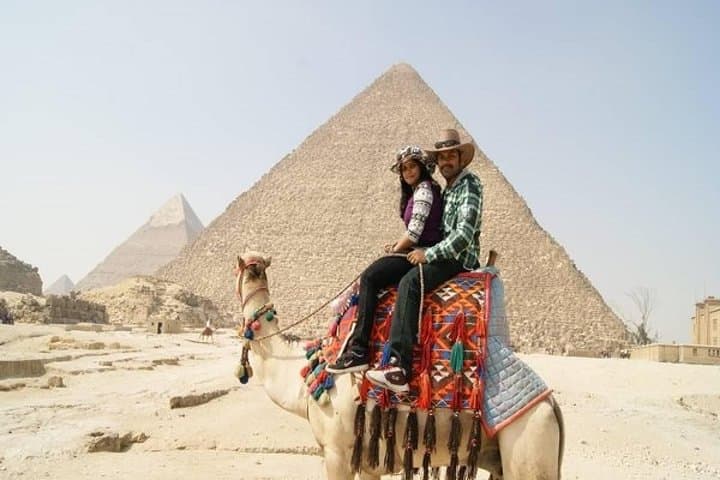
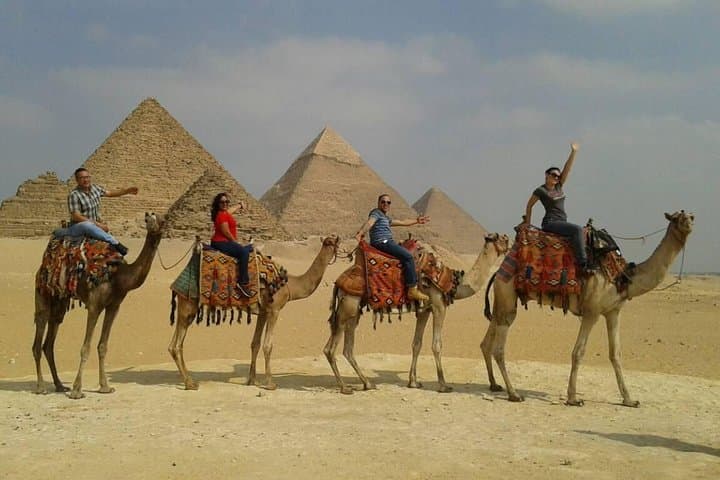
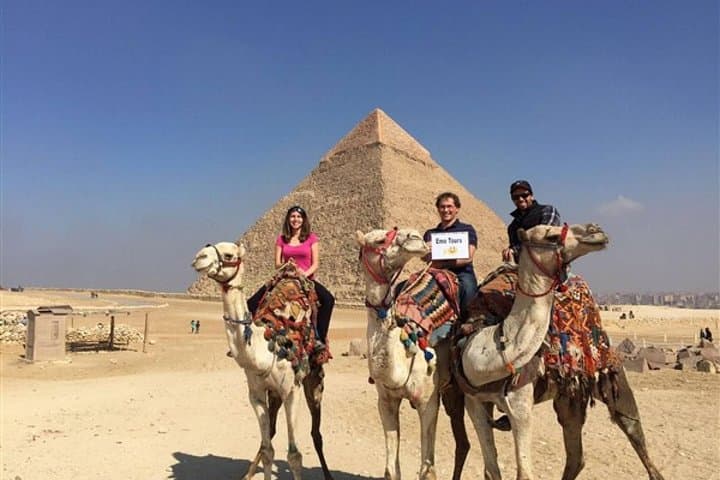
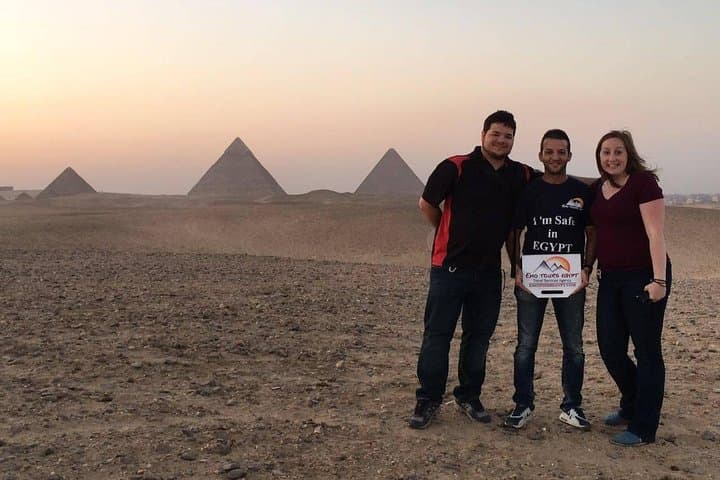
Morning light cuts across the Giza Plateau and the stones throw long, sharp shadows — you stand at the edge of the desert while a groom leads a patient dromedary forward. The camel rises with a soft creak and the plateau opens: the Great Pyramid, the Sphinx and the Valley Temple laid out like chapters of an ancient manual.
Verified experiences and guided adventures in the surrounding area.
Operated by Emo Tours Egypt · Giza, Cairo Governorate
Morning light cuts across the Giza Plateau and the stones throw long, sharp shadows — you stand at the edge of the desert while a groom leads a patient dromedary forward. The camel rises with a soft creak and the plateau opens: the Great Pyramid, the Sphinx and the Valley Temple laid out like chapters of an ancient manual.
The plateau’s limestone bedrock and wind-blown sand tell a geological story as old as the monuments themselves: quarried blocks and natural escarpments that shaped how the Egyptians built. Historically the site anchors the Old Kingdom and Khufu’s monumental ambitions; culturally, the camel is both transport and symbol — a living link to millennia of desert travel.
This private half-day tour pairs a 30-minute camel ride with a guide-led sweep of the main sights, hotel pickup in an air-conditioned vehicle and optional entry tickets (the Great Pyramid interior ticket is usually separate). Expect mostly flat terrain with short walks across sand and packed stone; camels do the steady uphill work. The company avoids noisy streets by entering the desert through a quieter route for a more elemental experience.
Practically: travel early or late in the day to avoid heat and crowds, bring sun protection and a filled water bottle, and wear closed-toe shoes for sand and uneven stone. Photo opportunities are constant but respect restricted areas and the animals — grooms remain near each camel for safety. If you plan to enter the pyramids, book that ticket in advance; otherwise the surface circuit still delivers dramatic perspective on engineering and scale.
easy.
4 hours.
Only basic mobility is required: short walks on sandy and paved surfaces and a seated 30-minute camel ride.
Yes; camels are led by a groom who stays close and trained camels accommodate first-time riders for a short, seated 30-minute experience.
No, interior pyramid tickets are usually optional and purchased separately — book ahead if you plan to enter as availability can be limited.
Private air-conditioned transfers and bottled water are included; lunch at a local restaurant is optional depending on the chosen package.
Children can usually participate, but the tour operator advises against the activity for pregnant travelers and people with serious spinal or cardiovascular conditions.
The Giza complex dates to Egypt’s Old Kingdom (c. 2600–2500 BCE), with the Great Pyramid built for Pharaoh Khufu as a monumental tomb.
Tourists should avoid climbing monuments, use provided pathways and minimize plastic waste; supporting licensed guides directs revenue to local communities and site conservation.
Emo Tours Egypt operates guided outdoor trips and adventures with an emphasis on safety, stewardship, and memorable experiences.
Morning light cuts across the Giza Plateau and the stones throw long, sharp shadows — you stand at the edge of the desert while a groom leads a patient dromedary forward. The camel rises with a soft creak and the plateau opens: the Great Pyramid, the Sphinx and the Valley Temple laid out like chapters of an ancient manual.
Morning light cuts across the Giza Plateau and the stones throw long, sharp shadows — you stand at the edge of the desert while a groom leads a patient dromedary forward. The camel rises with a soft creak and the plateau opens: the Great Pyramid, the Sphinx and the Valley Temple laid out like chapters of an ancient manual.
The plateau’s limestone bedrock and wind-blown sand tell a geological story as old as the monuments themselves: quarried blocks and natural escarpments that shaped how the Egyptians built. Historically the site anchors the Old Kingdom and Khufu’s monumental ambitions; culturally, the camel is both transport and symbol — a living link to millennia of desert travel.
This private half-day tour pairs a 30-minute camel ride with a guide-led sweep of the main sights, hotel pickup in an air-conditioned vehicle and optional entry tickets (the Great Pyramid interior ticket is usually separate). Expect mostly flat terrain with short walks across sand and packed stone; camels do the steady uphill work. The company avoids noisy streets by entering the desert through a quieter route for a more elemental experience.
Practically: travel early or late in the day to avoid heat and crowds, bring sun protection and a filled water bottle, and wear closed-toe shoes for sand and uneven stone. Photo opportunities are constant but respect restricted areas and the animals — grooms remain near each camel for safety. If you plan to enter the pyramids, book that ticket in advance; otherwise the surface circuit still delivers dramatic perspective on engineering and scale.