THE ADVENTURE COLLECTIVE® · Independent discovery and booking for outdoor travel

Race an ATV across the Giza Plateau, then trade handlebars for a camel saddle as the pyramids fill the frame. This private three-hour door-to-door tour blends hands-on desert driving, cultural stops, and unbeatable photo moments.
Race an ATV across the Giza Plateau, then trade handlebars for a camel saddle as the pyramids fill the frame. This private three-hour door-to-door tour blends hands-on desert driving, cultural stops, and unbeatable photo moments.
You crest a sandy ridge and the pyramids sit ahead, their stone faces catching the low light as the desert sighs around you. On one side the quad's engine hums beneath you; on the other, a camel chews steadily, unconcerned by tourists or time. This is the Giza Plateau: a working desert plain that lets you feel the scale of the ancient monuments while moving through Bedouin pathways and small market stops.
Verified experiences and guided adventures in the surrounding area.
Operated by Book My Egypt Tours · Giza, Giza Governorate
You crest a sandy ridge and the pyramids sit ahead, their stone faces catching the low light as the desert sighs around you. On one side the quad's engine hums beneath you; on the other, a camel chews steadily, unconcerned by tourists or time. This is the Giza Plateau: a working desert plain that lets you feel the scale of the ancient monuments while moving through Bedouin pathways and small market stops.
The plateau is part of a limestone ridge formed in the Pleistocene, later chosen by Old Kingdom pharaohs for its visibility and stable bedrock. Local guides typically weave practical history—how the pyramids were aligned and how the surrounding villages evolved—into the route. Expect close-up photo opportunities, a short bazaar visit for handmade souvenirs, and the contrast of modern ATVs against millennia-old stone.
Practical guidance: these private tours usually last about three hours with hotel door-to-door pickup from Cairo or Giza. Riders get brief ATV instruction and a guided camel experience; water is provided but carry spare camera batteries and a small daypack. Terrain is sandy with packed tracks and occasional loose patches—moderate handling on the quad and steady balance for the camel saddle. Wear closed-toe shoes, sun protection, and layer for wind at sunset.
Timing matters: sunrise buys cooler temperatures and clearer skies for photography; sunset gives warmer light and more dramatic silhouettes. Respect fenced archaeological areas, follow your guide’s route and pace, and budget extra time if you plan to haggle at the bazaar or extend photography stops.
moderate.
3 hours.
Suitable for most fitness levels—requires basic balance for camel riding and ability to handle light physical activity for ATV control.
Yes—private door-to-door transfer from hotels in Cairo or Giza is included in the tour price.
All options are private according to the listing, meaning the vehicle and guide are dedicated to your booking.
The tour notes a child rate applies only when sharing with two paying adults—confirm at booking and disclose ages.
Full refund is typically available if you cancel at least 24 hours before the scheduled departure time; check your booking confirmation for specifics.
The Giza Plateau was chosen in the 26th century BCE for royal burials; the Great Pyramid was originally encased in smooth limestone that reflected sunlight across the plain.
Tours should avoid straying onto protected or fenced archaeological zones and minimize disturbance to local communities; support guides who use responsible camel handlers and carry out waste.
Book My Egypt Tours operates guided outdoor trips and adventures with an emphasis on safety, stewardship, and memorable experiences.
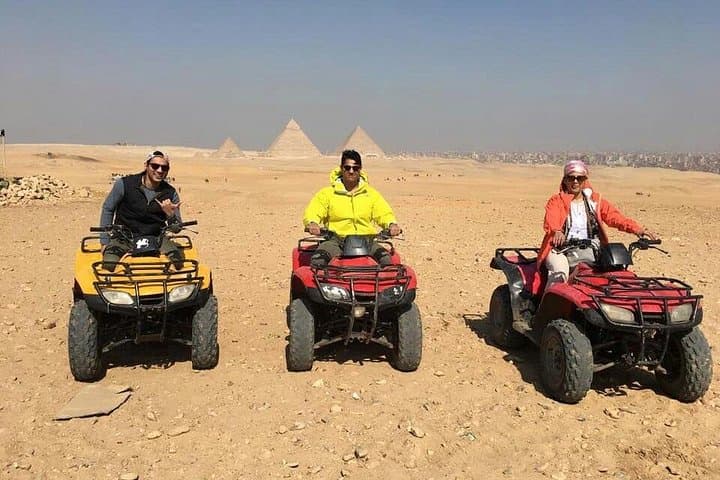
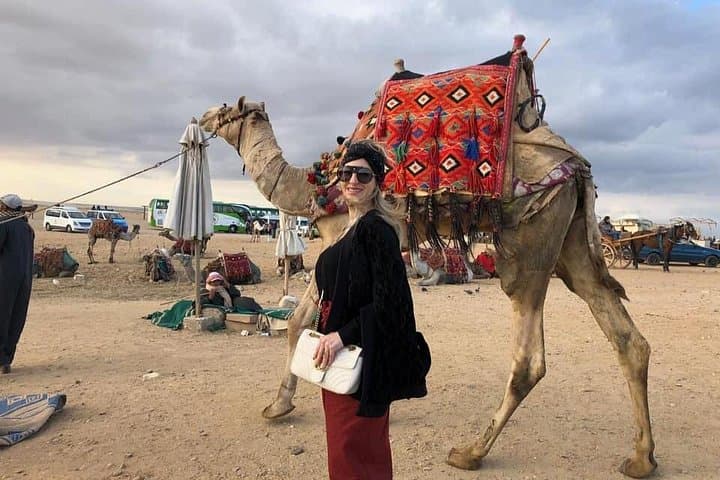
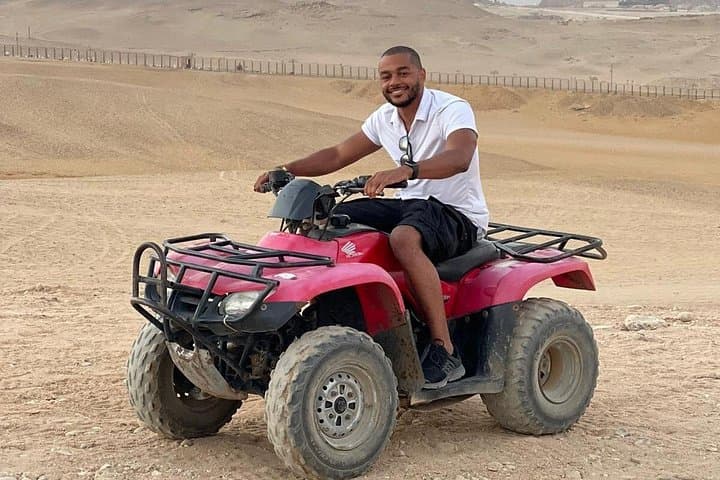
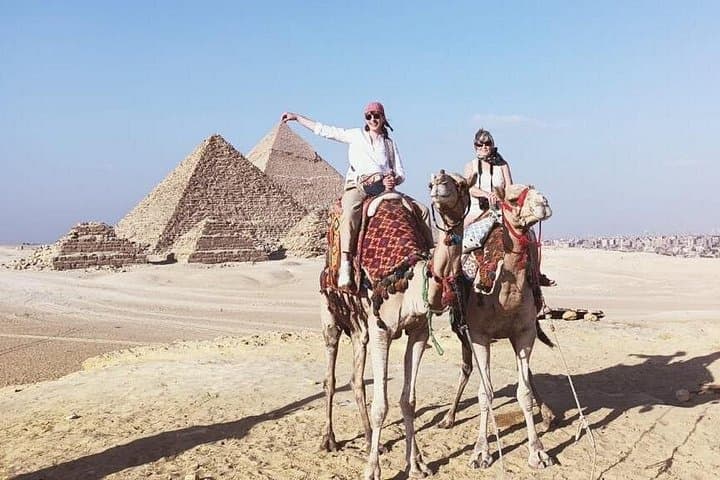
You crest a sandy ridge and the pyramids sit ahead, their stone faces catching the low light as the desert sighs around you. On one side the quad's engine hums beneath you; on the other, a camel chews steadily, unconcerned by tourists or time. This is the Giza Plateau: a working desert plain that lets you feel the scale of the ancient monuments while moving through Bedouin pathways and small market stops.
You crest a sandy ridge and the pyramids sit ahead, their stone faces catching the low light as the desert sighs around you. On one side the quad's engine hums beneath you; on the other, a camel chews steadily, unconcerned by tourists or time. This is the Giza Plateau: a working desert plain that lets you feel the scale of the ancient monuments while moving through Bedouin pathways and small market stops.
The plateau is part of a limestone ridge formed in the Pleistocene, later chosen by Old Kingdom pharaohs for its visibility and stable bedrock. Local guides typically weave practical history—how the pyramids were aligned and how the surrounding villages evolved—into the route. Expect close-up photo opportunities, a short bazaar visit for handmade souvenirs, and the contrast of modern ATVs against millennia-old stone.
Practical guidance: these private tours usually last about three hours with hotel door-to-door pickup from Cairo or Giza. Riders get brief ATV instruction and a guided camel experience; water is provided but carry spare camera batteries and a small daypack. Terrain is sandy with packed tracks and occasional loose patches—moderate handling on the quad and steady balance for the camel saddle. Wear closed-toe shoes, sun protection, and layer for wind at sunset.
Timing matters: sunrise buys cooler temperatures and clearer skies for photography; sunset gives warmer light and more dramatic silhouettes. Respect fenced archaeological areas, follow your guide’s route and pace, and budget extra time if you plan to haggle at the bazaar or extend photography stops.