THE ADVENTURE COLLECTIVE® · Independent discovery and booking for outdoor travel

Step inside the Great Pyramid, pose before the Sphinx, and ride a camel across the sands on a guided half-day around Giza. This Egyptologist-led tour pairs archaeological insight with practical tips for a comfortable, respectful visit.
Step inside the Great Pyramid, pose before the Sphinx, and ride a camel across the sands on a guided half-day around Giza. This Egyptologist-led tour pairs archaeological insight with practical tips for a comfortable, respectful visit.
The morning light slices across the Giza Plateau and the Great Pyramid throws a long, patient shadow; wind-polished limestone dares you to step closer. On this full-day outing an Egyptologist leads the way through time-worn stones, past the crouching Sphinx, and across sand that still remembers caravan footsteps. A camel waits like a slow, tolerant ship, ready to ferry you a short distance across the desert.
Verified experiences and guided adventures in the surrounding area.
Operated by Egypt Tours Destination · Giza, Giza Governorate
The morning light slices across the Giza Plateau and the Great Pyramid throws a long, patient shadow; wind-polished limestone dares you to step closer. On this full-day outing an Egyptologist leads the way through time-worn stones, past the crouching Sphinx, and across sand that still remembers caravan footsteps. A camel waits like a slow, tolerant ship, ready to ferry you a short distance across the desert.
This landscape is both geological and human history: the plateau’s Tura limestone caprock, quarried and shifted for millennia, frames pyramids built during Egypt’s Fourth Dynasty (c.2560 BCE for Khufu). The Sphinx and valley temples speak to funerary practice and royal ritual; nearby works such as the Solar Boat Museum reveal the technical skill behind royal burials. Local culture bubbles up in small ways — vendors selling koshary, the cadence of Arabic in the market streets, and the professional authority of licensed guides interpreting hieroglyphs.
Practically, expect 4–5 hours including transfers. The tour can include interior access to the Great Pyramid or Menkaure (third pyramid) if you select the all-inclusive option, and a hotel pickup in an air-conditioned vehicle. Wear sturdy shoes for uneven sand and stepped passageways, carry at least 1–2 liters of water, and plan for strong sun — mornings are cooler and give the best light for photos. Be prepared for tight, low-ceiling passageways if entering the pyramids, and follow guide instructions to minimize impact on fragile surfaces. Bring local currency for tips and small purchases, and allow extra time for security and crowd flow.
easy.
4–5 hours.
Suitable for most fitness levels; requires short walks over sand and low, steep internal passages if entering pyramids.
Interior access is available if you select the all-inclusive option—confirm at booking as it may require separate tickets and has limited capacity.
The tour is approximately 4–5 hours total and typically includes hotel pickup and drop-off in Cairo and Giza in an air-conditioned vehicle.
Passageways are steep, narrow and low in places; interior access is not recommended for those with serious mobility limitations or claustrophobia.
Photography is allowed in most external areas; interior photography rules vary and flash or tripods may be restricted—follow your guide’s instructions.
The Great Pyramid of Khufu dates to the Fourth Dynasty (c.2560 BCE) and was constructed as a royal tomb using massive limestone and granite blocks.
High foot traffic stresses ancient stone and fragile surfaces—staying on designated paths, following guide directions, and avoiding touching reliefs helps preserve the site.
Egypt Tours Destination operates guided outdoor trips and adventures with an emphasis on safety, stewardship, and memorable experiences.
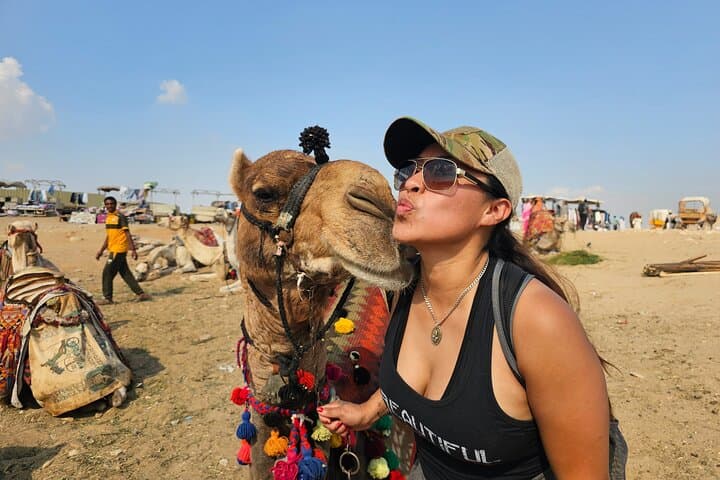
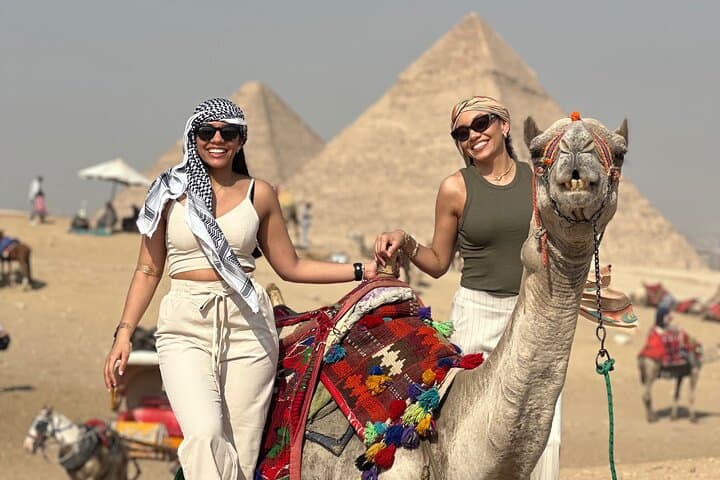
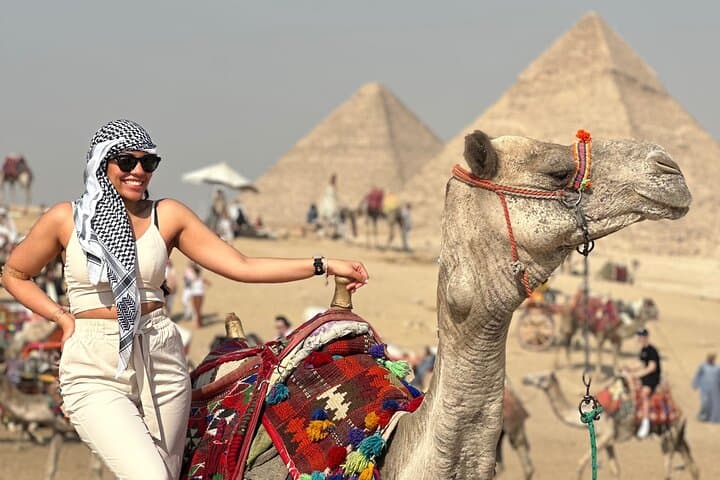
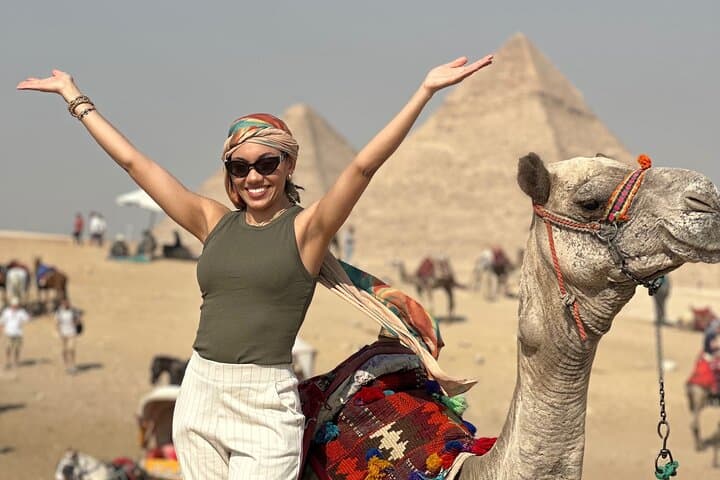
The morning light slices across the Giza Plateau and the Great Pyramid throws a long, patient shadow; wind-polished limestone dares you to step closer. On this full-day outing an Egyptologist leads the way through time-worn stones, past the crouching Sphinx, and across sand that still remembers caravan footsteps. A camel waits like a slow, tolerant ship, ready to ferry you a short distance across the desert.
The morning light slices across the Giza Plateau and the Great Pyramid throws a long, patient shadow; wind-polished limestone dares you to step closer. On this full-day outing an Egyptologist leads the way through time-worn stones, past the crouching Sphinx, and across sand that still remembers caravan footsteps. A camel waits like a slow, tolerant ship, ready to ferry you a short distance across the desert.
This landscape is both geological and human history: the plateau’s Tura limestone caprock, quarried and shifted for millennia, frames pyramids built during Egypt’s Fourth Dynasty (c.2560 BCE for Khufu). The Sphinx and valley temples speak to funerary practice and royal ritual; nearby works such as the Solar Boat Museum reveal the technical skill behind royal burials. Local culture bubbles up in small ways — vendors selling koshary, the cadence of Arabic in the market streets, and the professional authority of licensed guides interpreting hieroglyphs.
Practically, expect 4–5 hours including transfers. The tour can include interior access to the Great Pyramid or Menkaure (third pyramid) if you select the all-inclusive option, and a hotel pickup in an air-conditioned vehicle. Wear sturdy shoes for uneven sand and stepped passageways, carry at least 1–2 liters of water, and plan for strong sun — mornings are cooler and give the best light for photos. Be prepared for tight, low-ceiling passageways if entering the pyramids, and follow guide instructions to minimize impact on fragile surfaces. Bring local currency for tips and small purchases, and allow extra time for security and crowd flow.