THE ADVENTURE COLLECTIVE® · Independent discovery and booking for outdoor travel

Spend a full day from Paris exploring Honfleur’s historic harbor and Claude Monet’s gardens in Giverny. Expect a mix of flat garden walks, cobbled streets, and coastal air—perfect for photographers and art lovers who want Normandy’s landscapes in a single day.
Spend a full day from Paris exploring Honfleur’s historic harbor and Claude Monet’s gardens in Giverny. Expect a mix of flat garden walks, cobbled streets, and coastal air—perfect for photographers and art lovers who want Normandy’s landscapes in a single day.
You leave the city behind and the Seine pushes you forward: first the sharp cry of gulls over Honfleur’s old basin, then the softer hush of water lilies in Giverny. Boats rock against centuries‑old stone, and the air alternates between briny wind and the quiet perfume of garden soil.
Verified experiences and guided adventures in the surrounding area.
Operated by S.A.R.L. Comfort Cars · Giverny, Normandy
You leave the city behind and the Seine pushes you forward: first the sharp cry of gulls over Honfleur’s old basin, then the softer hush of water lilies in Giverny. Boats rock against centuries‑old stone, and the air alternates between briny wind and the quiet perfume of garden soil.
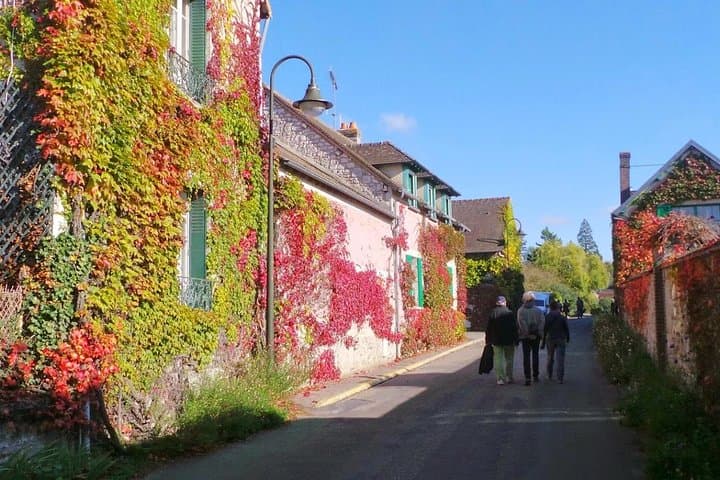
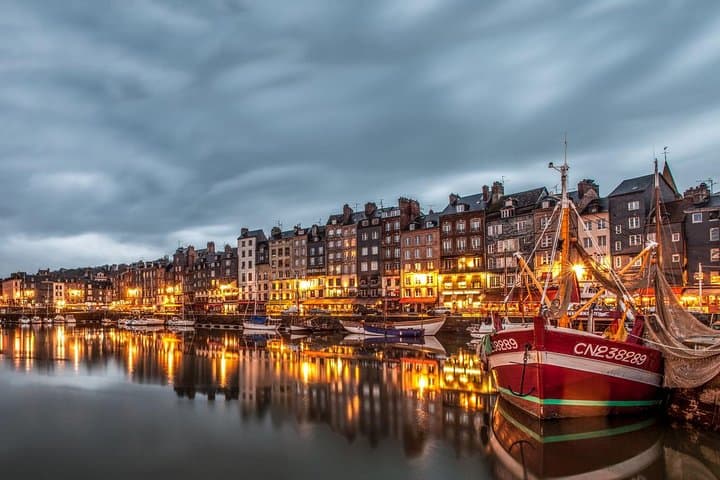
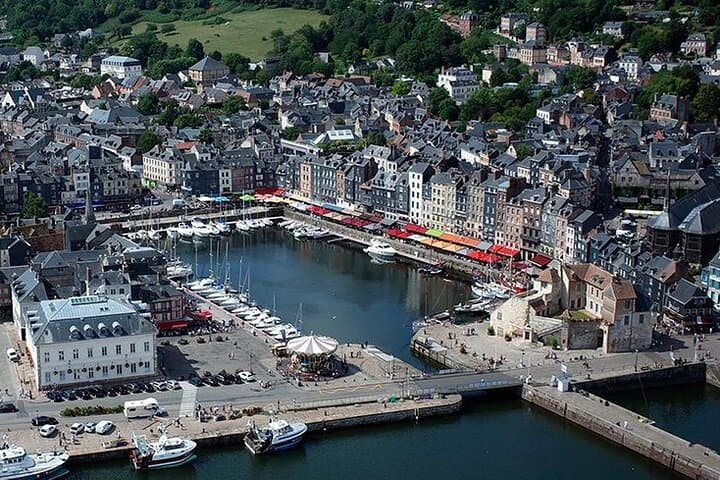
Honfleur’s Vieux Bassin has been a maritime crossroads for five centuries — mercantile timber-framed houses and slate-roofed façades that drew early modern painters. Inland, Claude Monet’s house and the Fondation Claude Monet gardens show the deliberate hand of a gardener-artist: the Clos Normand’s color beds feed into the Japanese bridge and the water-lily pond, where reflections become a subject in themselves. The patchwork geology of Normandy — clay plains and the estuary of the Seine — shaped its economy and scenery and helped define a palette for Impressionism.
On a practical day trip from Paris you’ll alternate short walks on cobbles and flat garden paths, with time for a café lunch in Honfleur. Plan for changing light and variable coastal winds: mornings can be bright and brisk; afternoons suit lingering at the pond. Tickets to the Fondation Claude Monet sell out on busy days, and the harbor’s cafés fill quickly at midday.
Allow a full nine hours for travel, visits, and a relaxed lunch. Wear sturdy shoes for cobbles and trails, bring a camera with a polarizer for water reflections, and pack a light layer for seaside breezes. Respect garden paths and the fragile plantings — here, observation is the proper way to leave the place unchanged for the next visitor.
easy.
9 hours.
Suitable for most people with average fitness; requires standing and walking on flat garden paths and cobbles for up to a few hours total.
Policies vary by operator; some tours include garden admission while others do not—confirm on your booking page before travel.
Typical itineraries allow roughly 1–2 hours in Giverny and 45–90 minutes in Honfleur, plus travel and a lunch break, within a nine‑hour day.
Giverny has gravel paths and some narrow garden routes that can be awkward with strollers; Honfleur’s cobbles are uneven for small wheels—child carriers are easier than prams.
Travel time depends on traffic and route; expect roughly 1–2 hours to Giverny and between 1.5–2.5 hours to Honfleur from central Paris on a typical day.
Honfleur grew as a major medieval port and later became a touchstone for painters; Monet settled in Giverny in 1883 and developed gardens that directly informed his water‑lily series.
The Fondation Claude Monet manages the gardens to prioritize plant health and visitor access—stay on paths and avoid touching plantings; coastal areas are sensitive to erosion and litter, so follow local guidance.
S.A.R.L. Comfort Cars operates guided outdoor trips and adventures with an emphasis on safety, stewardship, and memorable experiences.
You leave the city behind and the Seine pushes you forward: first the sharp cry of gulls over Honfleur’s old basin, then the softer hush of water lilies in Giverny. Boats rock against centuries‑old stone, and the air alternates between briny wind and the quiet perfume of garden soil.
You leave the city behind and the Seine pushes you forward: first the sharp cry of gulls over Honfleur’s old basin, then the softer hush of water lilies in Giverny. Boats rock against centuries‑old stone, and the air alternates between briny wind and the quiet perfume of garden soil.
Honfleur’s Vieux Bassin has been a maritime crossroads for five centuries — mercantile timber-framed houses and slate-roofed façades that drew early modern painters. Inland, Claude Monet’s house and the Fondation Claude Monet gardens show the deliberate hand of a gardener-artist: the Clos Normand’s color beds feed into the Japanese bridge and the water-lily pond, where reflections become a subject in themselves. The patchwork geology of Normandy — clay plains and the estuary of the Seine — shaped its economy and scenery and helped define a palette for Impressionism.
On a practical day trip from Paris you’ll alternate short walks on cobbles and flat garden paths, with time for a café lunch in Honfleur. Plan for changing light and variable coastal winds: mornings can be bright and brisk; afternoons suit lingering at the pond. Tickets to the Fondation Claude Monet sell out on busy days, and the harbor’s cafés fill quickly at midday.
Allow a full nine hours for travel, visits, and a relaxed lunch. Wear sturdy shoes for cobbles and trails, bring a camera with a polarizer for water reflections, and pack a light layer for seaside breezes. Respect garden paths and the fragile plantings — here, observation is the proper way to leave the place unchanged for the next visitor.