THE ADVENTURE COLLECTIVE® · Independent discovery and booking for outdoor travel

Get hands-on with beekeeping on Šolta: watch hive interiors, taste island honey and learn why pollinators matter. This one-hour experience blends practical instruction with local flavor—ideal for curious travelers in Dalmatia.
Get hands-on with beekeeping on Šolta: watch hive interiors, taste island honey and learn why pollinators matter. This one-hour experience blends practical instruction with local flavor—ideal for curious travelers in Dalmatia.
You step into a sun-warmed courtyard on Šolta and the air is thick with sweet, herbal heat—thyme and rosemary from the nearby maquis and the clean, heavy scent of raw honey. A local beekeeper lifts a framed super and the tiny, disciplined buzz of Apis mellifera fills the space; you’ll see the comb’s geometry up close and taste honey that’s been concentrated by island winds and sparse scrub.
Verified experiences and guided adventures in the surrounding area.
Operated by Tvrdic Honey · Grohote, Split-Dalmatia County
You step into a sun-warmed courtyard on Šolta and the air is thick with sweet, herbal heat—thyme and rosemary from the nearby maquis and the clean, heavy scent of raw honey. A local beekeeper lifts a framed super and the tiny, disciplined buzz of Apis mellifera fills the space; you’ll see the comb’s geometry up close and taste honey that’s been concentrated by island winds and sparse scrub.
The Dalmatian islands have tended bees for centuries; limestone soils and a Mediterranean climate produce sparse floral sources that make island honey unusually aromatic. Geologically, Šolta is karst—rocky terraces and shallow soils force plants to concentrate oils, which in turn flavors the honey. Culturally, beekeeping here is both livelihood and craft: many families maintain small apiaries and trade unique jars across the Adriatic.
This one-hour, hands-on experience introduces hive anatomy, bee behavior and threats facing pollinators globally, then lets you sample a collection reputedly assembled from visitors around the world. Expect close-up observation without risk of stings thanks to proven handling techniques and protective gear provided by your host.
Practical notes: the session is compact—about 60 minutes—so arrive hydrated and sun-protected. Wear closed-toe shoes and a light layer you can tuck in. If you have severe allergies to bee stings, disclose that when booking; the program is suitable for children when accompanied. Morning visits catch the bees at work and cooler temperatures. Bring a camera but avoid sudden movements around exposed hives; otherwise, relax and let the bees do the talking.
easy.
1 hour.
Suitable for most fitness levels; involves brief standing and light walking on uneven ground
Yes—hosts use protective gear and controlled techniques that let visitors observe internal hive structure with minimal sting risk; anyone with severe allergies should not participate.
Yes—children can attend when accompanied by two paying adults (child rates may apply) and under close supervision during hive inspections.
The program lasts about 60 minutes and typically includes hotel or port pickup on request; confirm pickup details at booking.
Yes—most hosts offer jars of Solta honey and specialty varieties from their collection for sale on site.
Beekeeping on Dalmatian islands dates back generations; islanders traditionally maintained small apiaries that produced distinctive monofloral honeys tied to local shrubs and herbs.
Bees here face pressures from habitat loss, pesticides and climate shifts; the experience emphasizes sustainable beekeeping and supporting local pollinator-friendly practices.
Tvrdic Honey operates guided outdoor trips and adventures with an emphasis on safety, stewardship, and memorable experiences.
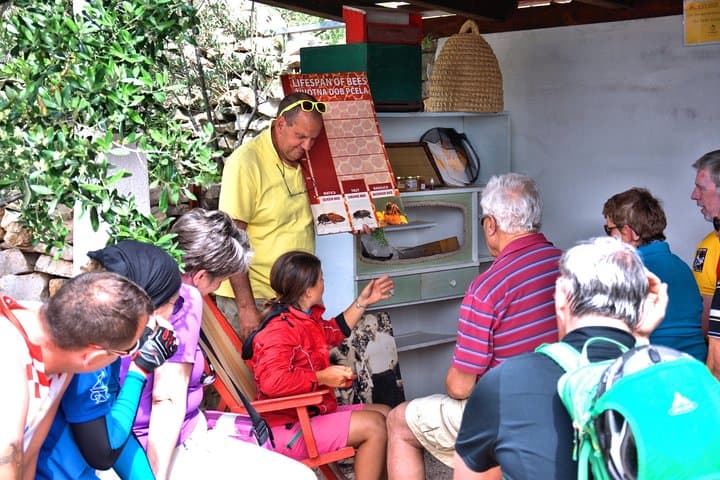
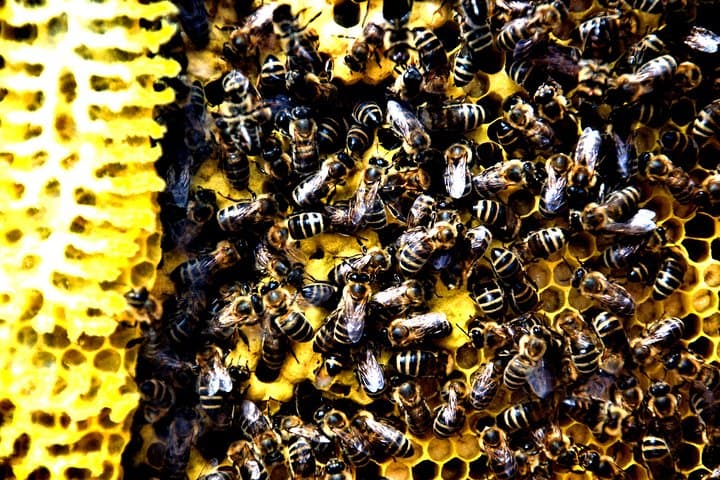
You step into a sun-warmed courtyard on Šolta and the air is thick with sweet, herbal heat—thyme and rosemary from the nearby maquis and the clean, heavy scent of raw honey. A local beekeeper lifts a framed super and the tiny, disciplined buzz of Apis mellifera fills the space; you’ll see the comb’s geometry up close and taste honey that’s been concentrated by island winds and sparse scrub.
You step into a sun-warmed courtyard on Šolta and the air is thick with sweet, herbal heat—thyme and rosemary from the nearby maquis and the clean, heavy scent of raw honey. A local beekeeper lifts a framed super and the tiny, disciplined buzz of Apis mellifera fills the space; you’ll see the comb’s geometry up close and taste honey that’s been concentrated by island winds and sparse scrub.
The Dalmatian islands have tended bees for centuries; limestone soils and a Mediterranean climate produce sparse floral sources that make island honey unusually aromatic. Geologically, Šolta is karst—rocky terraces and shallow soils force plants to concentrate oils, which in turn flavors the honey. Culturally, beekeeping here is both livelihood and craft: many families maintain small apiaries and trade unique jars across the Adriatic.
This one-hour, hands-on experience introduces hive anatomy, bee behavior and threats facing pollinators globally, then lets you sample a collection reputedly assembled from visitors around the world. Expect close-up observation without risk of stings thanks to proven handling techniques and protective gear provided by your host.
Practical notes: the session is compact—about 60 minutes—so arrive hydrated and sun-protected. Wear closed-toe shoes and a light layer you can tuck in. If you have severe allergies to bee stings, disclose that when booking; the program is suitable for children when accompanied. Morning visits catch the bees at work and cooler temperatures. Bring a camera but avoid sudden movements around exposed hives; otherwise, relax and let the bees do the talking.