THE ADVENTURE COLLECTIVE® · Independent discovery and booking for outdoor travel

Hand-feed Rothschild giraffes in suburban Nairobi and step into the restored house of Karen Blixen on a compact, four-hour day tour. Expect up-close wildlife interaction, colonial-era interiors, and practical tips for timing, transport, and photo ops.
Hand-feed Rothschild giraffes in suburban Nairobi and step into the restored house of Karen Blixen on a compact, four-hour day tour. Expect up-close wildlife interaction, colonial-era interiors, and practical tips for timing, transport, and photo ops.
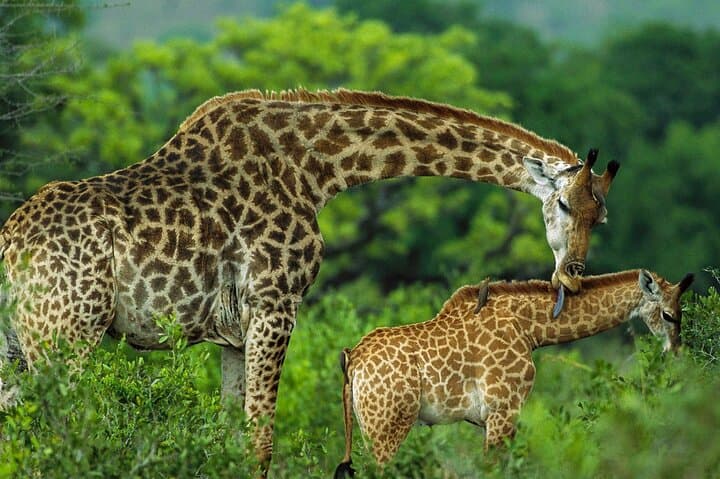
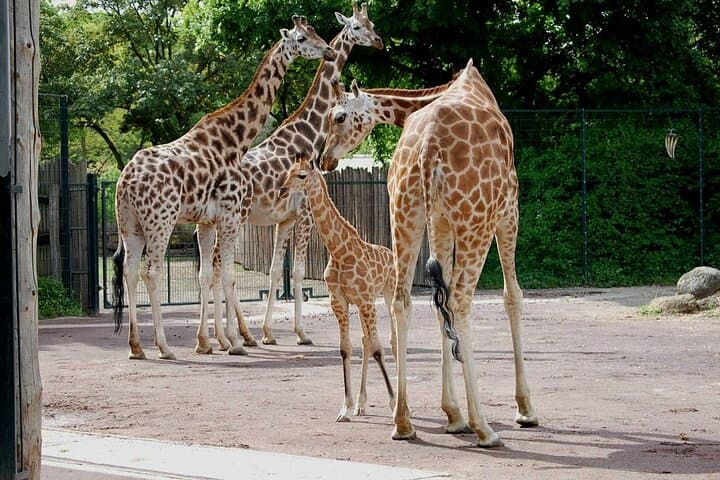
You arrive on a sun-warmed road into Karen, the air carrying dust and a distant chorus of birds. At the Giraffe Centre the giants lower their necks like curious neighbors, tongues looping for pellets as you hold out your hand and the city slips away behind the trees.
Verified experiences and guided adventures in the surrounding area.
Operated by Gracepatt Safaris · Nairobi, Nairobi County
You arrive on a sun-warmed road into Karen, the air carrying dust and a distant chorus of birds. At the Giraffe Centre the giants lower their necks like curious neighbors, tongues looping for pellets as you hold out your hand and the city slips away behind the trees.
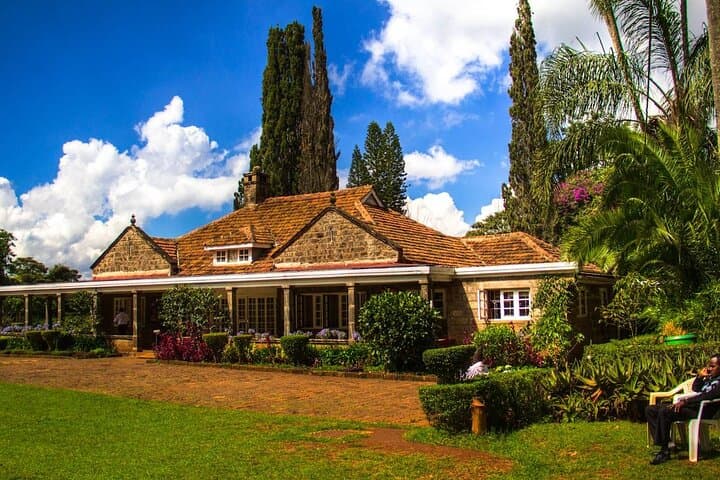
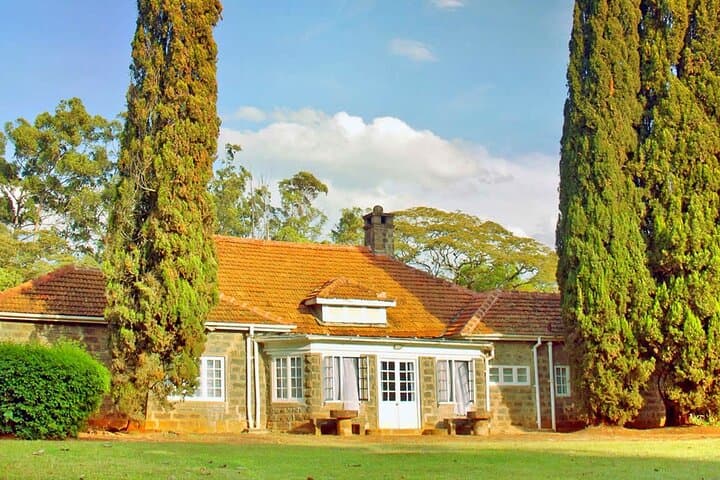
The Giraffe Centre began as a small rescue and breeding program for the endangered Rothschild’s giraffe; today it’s a compact conservation site where visitors learn about captive breeding, habitat restoration, and community outreach. Nearby, the red-tiled roof of the Karen Blixen House marks a different chapter: a coffee farm house from 1910 that preserves colonial-era furnishings and the world of the author of Out of Africa.
Geologically, the area sits on Nairobi’s rolling highlands at about 1,700–1,800 m elevation, with soils shaped by ancient volcanic activity and the sweep of the Ngong Hills to the west. Culturally, Karen mixes expatriate history with modern Kenyan suburbia—local markets, craft stalls, and coffee estates still visible in vestiges of former plantations.
Practical guidance: tours run about four hours including hotel pickup; plan for short, flat walks and photo stops. Mornings are best for calmer giraffes and softer light. Respect animal handlers and follow instructions—feed only approved pellets. Wear sturdy shoes for compacted dirt paths, bring sunscreen and a small bottle of water—the sun at Nairobi’s elevation is direct even on cool days. Combine both sites to blend hands-on wildlife moments with a grounded historical visit that’s accessible for most fitness levels.
easy.
3–4 hours.
Suitable for most fitness levels—short, mostly flat walking and standing for photo opportunities.
Admission for the Giraffe Centre and Karen Blixen Museum is included on this tour as listed in the itinerary.
Yes—children can feed giraffes under supervision; infants must sit on an adult’s lap during transfers and are allowed on the tour.
The tour lasts about four hours with hotel pickup and drop-off included; transport time to each site is part of the schedule.
Only feed the approved pellets provided by the centre and follow staff instructions to avoid accidental bites.
The Giraffe Centre began as a small rehabilitation effort for the endangered Rothschild’s giraffe; the Karen Blixen House, built in 1910, preserves early 20th-century settler life and coffee-farming history.
The Giraffe Centre operates breeding and education programs to expand Rothschild’s giraffe numbers and works with local communities to protect habitat and reduce human-wildlife conflict.
Gracepatt Safaris operates guided outdoor trips and adventures with an emphasis on safety, stewardship, and memorable experiences.
You arrive on a sun-warmed road into Karen, the air carrying dust and a distant chorus of birds. At the Giraffe Centre the giants lower their necks like curious neighbors, tongues looping for pellets as you hold out your hand and the city slips away behind the trees.
You arrive on a sun-warmed road into Karen, the air carrying dust and a distant chorus of birds. At the Giraffe Centre the giants lower their necks like curious neighbors, tongues looping for pellets as you hold out your hand and the city slips away behind the trees.
The Giraffe Centre began as a small rescue and breeding program for the endangered Rothschild’s giraffe; today it’s a compact conservation site where visitors learn about captive breeding, habitat restoration, and community outreach. Nearby, the red-tiled roof of the Karen Blixen House marks a different chapter: a coffee farm house from 1910 that preserves colonial-era furnishings and the world of the author of Out of Africa.
Geologically, the area sits on Nairobi’s rolling highlands at about 1,700–1,800 m elevation, with soils shaped by ancient volcanic activity and the sweep of the Ngong Hills to the west. Culturally, Karen mixes expatriate history with modern Kenyan suburbia—local markets, craft stalls, and coffee estates still visible in vestiges of former plantations.
Practical guidance: tours run about four hours including hotel pickup; plan for short, flat walks and photo stops. Mornings are best for calmer giraffes and softer light. Respect animal handlers and follow instructions—feed only approved pellets. Wear sturdy shoes for compacted dirt paths, bring sunscreen and a small bottle of water—the sun at Nairobi’s elevation is direct even on cool days. Combine both sites to blend hands-on wildlife moments with a grounded historical visit that’s accessible for most fitness levels.