THE ADVENTURE COLLECTIVE® · Independent discovery and booking for outdoor travel

Spend a half day in Nairobi combining close giraffe encounters, a visit to the Karen Blixen farmhouse, and a hands-on look at Kazuri bead making. This accessible tour mixes wildlife viewing, local history, and craft culture with hotel pickup included.
Spend a half day in Nairobi combining close giraffe encounters, a visit to the Karen Blixen farmhouse, and a hands-on look at Kazuri bead making. This accessible tour mixes wildlife viewing, local history, and craft culture with hotel pickup included.
You step out of the vehicle into the dry, scrubby patio behind the Giraffe Centre and a lanky face leans down, tongue flicking for pellets. The air is warm and the city hum fades; here the giraffe’s large, gentle eyes pull focus and the surrounding acacia trees seem to lean in to watch.
Verified experiences and guided adventures in the surrounding area.
Operated by Wellington Ecotours and Safaris · Nairobi, Nairobi County
You step out of the vehicle into the dry, scrubby patio behind the Giraffe Centre and a lanky face leans down, tongue flicking for pellets. The air is warm and the city hum fades; here the giraffe’s large, gentle eyes pull focus and the surrounding acacia trees seem to lean in to watch.
The route continues through Karen, a suburb shaped by colonial-era farms and coffee plots. At the Karen Blixen Museum, the farmhouse keeps stories of early 20th-century settlement and coffee-growing; the house’s stone and timber frame reflect colonial building practices on this high plateau. The geology underfoot is Nairobi’s upland — rolling volcanic-derived soils that supported both farms and later suburbs. Ending at Kazuri, you’ll witness clay beads formed and fired by local artisans, a modern craft rooted in post-independence microenterprise.
Expect a blend of close wildlife encounters, colonial-history interpretation, and craft demonstrations in one compact outing. Bring a camera with a short telephoto for giraffe portraits, lightweight layers for changing shade and sun, and cash for small purchases at Kazuri.
Practicalities: the tour runs roughly six hours with hotel pickup and English-speaking guide, is wheelchair accessible, and is suitable for most fitness levels. Mornings are cooler and quieter at the Giraffe Centre; afternoons can be busier. Respect animal-space rules, follow guide instructions when feeding, and reserve time for browsing the bead workshop—buying directly supports local artisans. This route is ideal for travelers who want close wildlife viewing without a full safari, paired with cultural context and tangible souvenirs.
easy.
6 hours.
Suitable for most fitness levels — mostly short walks and standing during visits
The tour lasts about six hours, including hotel pickup and time at each attraction.
Yes — admissions to the Giraffe Centre, Karen Blixen Museum, and Kazuri Beads Factory are included in the itinerary.
Yes — the tour is marked wheelchair accessible and generally family-friendly, though some paths are uneven.
Yes — the visit includes time to watch bead-making and browse the shop; bring cash for smaller purchases.
The Karen Blixen Museum preserves a farmhouse where Danish author Karen Blixen lived while farming coffee in the early 1900s; the suburb later took her name.
The Giraffe Centre operates as a nonprofit focused on giraffe conservation and education; buying from Kazuri supports local women’s employment and community programs.
Wellington Ecotours and Safaris operates guided outdoor trips and adventures with an emphasis on safety, stewardship, and memorable experiences.
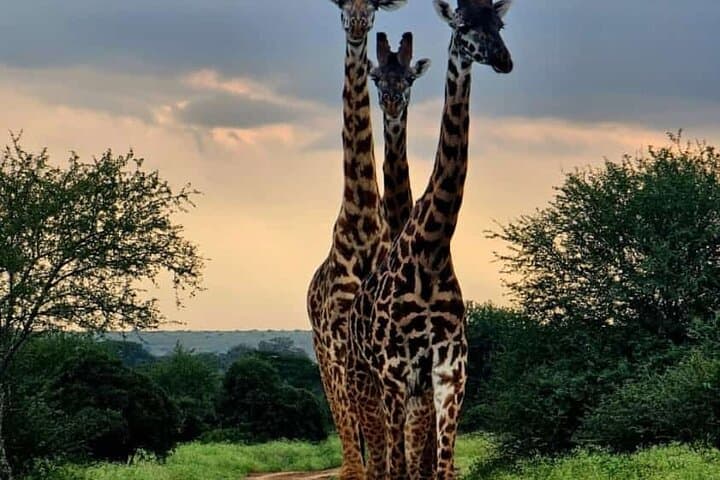


You step out of the vehicle into the dry, scrubby patio behind the Giraffe Centre and a lanky face leans down, tongue flicking for pellets. The air is warm and the city hum fades; here the giraffe’s large, gentle eyes pull focus and the surrounding acacia trees seem to lean in to watch.
You step out of the vehicle into the dry, scrubby patio behind the Giraffe Centre and a lanky face leans down, tongue flicking for pellets. The air is warm and the city hum fades; here the giraffe’s large, gentle eyes pull focus and the surrounding acacia trees seem to lean in to watch.
The route continues through Karen, a suburb shaped by colonial-era farms and coffee plots. At the Karen Blixen Museum, the farmhouse keeps stories of early 20th-century settlement and coffee-growing; the house’s stone and timber frame reflect colonial building practices on this high plateau. The geology underfoot is Nairobi’s upland — rolling volcanic-derived soils that supported both farms and later suburbs. Ending at Kazuri, you’ll witness clay beads formed and fired by local artisans, a modern craft rooted in post-independence microenterprise.
Expect a blend of close wildlife encounters, colonial-history interpretation, and craft demonstrations in one compact outing. Bring a camera with a short telephoto for giraffe portraits, lightweight layers for changing shade and sun, and cash for small purchases at Kazuri.
Practicalities: the tour runs roughly six hours with hotel pickup and English-speaking guide, is wheelchair accessible, and is suitable for most fitness levels. Mornings are cooler and quieter at the Giraffe Centre; afternoons can be busier. Respect animal-space rules, follow guide instructions when feeding, and reserve time for browsing the bead workshop—buying directly supports local artisans. This route is ideal for travelers who want close wildlife viewing without a full safari, paired with cultural context and tangible souvenirs.