THE ADVENTURE COLLECTIVE® · Independent discovery and booking for outdoor travel

Spend a deliberate half-day outside Nairobi meeting gentle giants at the Giraffe Centre and touring the Karen Blixen farmhouse. This guided visit pairs close wildlife encounters with literary and colonial history near the Ngong Hills.
Spend a deliberate half-day outside Nairobi meeting gentle giants at the Giraffe Centre and touring the Karen Blixen farmhouse. This guided visit pairs close wildlife encounters with literary and colonial history near the Ngong Hills.
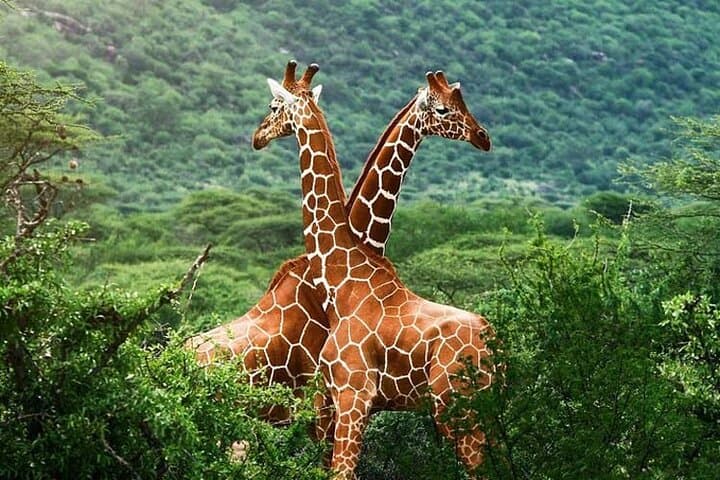
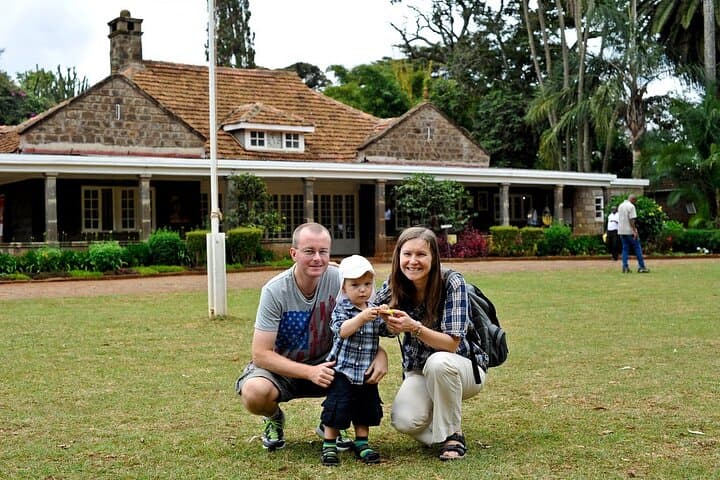
The morning air on the edge of Nairobi feels like a slow exhale—soft wind moving across grasslands, chickpea-colored dirt underfoot, and a pair of giraffes bending low to peer at you from eye level. On this half-day guided loop you trade the city’s hum for a quieter cadence: raised observation platforms at the Giraffe Centre bring you face-to-face with towering tongues and deliberate, curious eyes, then a short drive takes you to the teak-paneled farmhouse where Karen Blixen once wrote and lived beneath the shadow of the Ngong Hills.
Verified experiences and guided adventures in the surrounding area.
Operated by Gracepatt Ecotours Kenya · Nairobi, Nairobi County
The morning air on the edge of Nairobi feels like a slow exhale—soft wind moving across grasslands, chickpea-colored dirt underfoot, and a pair of giraffes bending low to peer at you from eye level. On this half-day guided loop you trade the city’s hum for a quieter cadence: raised observation platforms at the Giraffe Centre bring you face-to-face with towering tongues and deliberate, curious eyes, then a short drive takes you to the teak-paneled farmhouse where Karen Blixen once wrote and lived beneath the shadow of the Ngong Hills.
The Giraffe Centre grew from local conservation work into an international education hub, focused on breeding and protecting the reticulated and Rothschild’s giraffe. The Karen Blixen Museum preserves a colonial-era coffee farm house and artifacts that illuminate early 20th-century settler life, and its views still point toward the folded volcanic ridges of the Ngong escarpment.
Culturally, the tour pairs wildlife stewardship with Kenya’s colonial and literary history: expect conversations about conservation, land use, and how stories shape place. Geologically the Ngong Hills are uplifted volcanic ridges; their slopes influence local microclimates and the patches of indigenous woodland that remain.
Practical guidance: plan on about four hours door-to-door; transport and admission are included. Wear sturdy shoes for short uneven paths, bring sun protection and a refillable water bottle, and carry small local currency for museum souvenirs or refreshments. Morning slots are cooler and the giraffes are more active—book early to avoid mid-day heat and city traffic returning to Nairobi.
easy.
3–4 hours.
Suitable for most fitness levels; involves short walks on uneven ground and low stairs at the museum.
The tour runs about four hours door-to-door, including hotel pickup, time at both attractions, and return transfer.
Yes—entrance fees to the Giraffe Centre and the Karen Blixen Museum are included in the tour price.
Yes—children can enjoy close giraffe encounters; infants must sit on an adult’s lap during transport as noted by the provider.
Plenty—both locations are photo-friendly; follow guide directions at animal enclosures and avoid flash that may startle wildlife.
The Karen Blixen Museum was the author’s coffee farm residence (1914–1931) and remains furnished with many original items, offering a window into colonial-era Nairobi and settler life.
The Giraffe Centre started as a community-driven breeding and education program; visitors support in-situ conservation and local environmental education through fees and donations.
Gracepatt Ecotours Kenya operates guided outdoor trips and adventures with an emphasis on safety, stewardship, and memorable experiences.


The morning air on the edge of Nairobi feels like a slow exhale—soft wind moving across grasslands, chickpea-colored dirt underfoot, and a pair of giraffes bending low to peer at you from eye level. On this half-day guided loop you trade the city’s hum for a quieter cadence: raised observation platforms at the Giraffe Centre bring you face-to-face with towering tongues and deliberate, curious eyes, then a short drive takes you to the teak-paneled farmhouse where Karen Blixen once wrote and lived beneath the shadow of the Ngong Hills.
The morning air on the edge of Nairobi feels like a slow exhale—soft wind moving across grasslands, chickpea-colored dirt underfoot, and a pair of giraffes bending low to peer at you from eye level. On this half-day guided loop you trade the city’s hum for a quieter cadence: raised observation platforms at the Giraffe Centre bring you face-to-face with towering tongues and deliberate, curious eyes, then a short drive takes you to the teak-paneled farmhouse where Karen Blixen once wrote and lived beneath the shadow of the Ngong Hills.
The Giraffe Centre grew from local conservation work into an international education hub, focused on breeding and protecting the reticulated and Rothschild’s giraffe. The Karen Blixen Museum preserves a colonial-era coffee farm house and artifacts that illuminate early 20th-century settler life, and its views still point toward the folded volcanic ridges of the Ngong escarpment.
Culturally, the tour pairs wildlife stewardship with Kenya’s colonial and literary history: expect conversations about conservation, land use, and how stories shape place. Geologically the Ngong Hills are uplifted volcanic ridges; their slopes influence local microclimates and the patches of indigenous woodland that remain.
Practical guidance: plan on about four hours door-to-door; transport and admission are included. Wear sturdy shoes for short uneven paths, bring sun protection and a refillable water bottle, and carry small local currency for museum souvenirs or refreshments. Morning slots are cooler and the giraffes are more active—book early to avoid mid-day heat and city traffic returning to Nairobi.