THE ADVENTURE COLLECTIVE® · Independent discovery and booking for outdoor travel

Get eye‑level with endangered Rothschild giraffes on a raised platform, then walk through Kibera to meet artisans, school projects and daily life. This full‑day guided tour pairs wildlife conservation with a grounded look at urban community initiatives in Nairobi.
Get eye‑level with endangered Rothschild giraffes on a raised platform, then walk through Kibera to meet artisans, school projects and daily life. This full‑day guided tour pairs wildlife conservation with a grounded look at urban community initiatives in Nairobi.
You step onto a raised wooden platform as a long-necked head fills the skyline, mottled tongue reaching for pellets—giraffes incline like curious elders meeting a new guest. That intimate moment at the Giraffe Centre gives way, hours later, to narrow lanes in Kibera where chatter, markets and children's voices push forward the rhythm of daily life.
Verified experiences and guided adventures in the surrounding area.
Operated by Muringa Kenya Tours & Safaris Ltd · Nairobi, Nairobi County
You step onto a raised wooden platform as a long-necked head fills the skyline, mottled tongue reaching for pellets—giraffes incline like curious elders meeting a new guest. That intimate moment at the Giraffe Centre gives way, hours later, to narrow lanes in Kibera where chatter, markets and children's voices push forward the rhythm of daily life.
The Giraffe Centre began as a grassroots conservation effort to save the endangered Rothschild giraffe; the raised platforms and auditorium are modern fixtures on land shaped by the Rift Valley's volcanic past and Nairobi's highland plains. Kibera, one of Africa's largest informal settlements, traces parts of its modern identity to early 20th-century labor and settlement patterns and today hosts a dense network of workshops, schools and micro-enterprises.
On this combined tour you’ll witness wildlife-focused conservation and urban resilience in a single day: giraffes approaching for feedings and local artisans turning recycled materials into crafts. Guides explain breeding programs, water access challenges and community initiatives that run nursery schools and craft co-ops.
Practically: the tour runs about six to eight hours, includes entrance fees and bottled water, and involves short walks on uneven ground and tight lanes. Wear sturdy shoes, carry small cash for local vendors, and be prepared to ask permission before photographing people. Morning departures avoid Nairobi traffic and midday heat. Respectful curiosity—listening, asking, and buying local crafts—makes the visit meaningful for both visitors and hosts. The day moves at two distinct paces: slow-eyed giraffes and the quick, conversational tempo of Kibera.
easy.
6–8 hours.
Suitable for most fitness levels; involves standing on a platform and walking 1–3 miles on uneven urban terrain.
Yes—entrance fees for the Giraffe Centre and Kibera visit, bottled water, and pickup/drop‑off are included in the tour price.
Guided visits are organized with local hosts and aim to be informative and respectful; follow your guide’s instructions and avoid photographing people without permission.
Yes—under staff supervision you can feed giraffes from the raised observation platforms using provided pellets.
Children are welcome but should be supervised; the tour is generally easy but includes uneven ground and stairs at viewing platforms, which may challenge some mobility issues.
The Giraffe Centre grew from local conservation efforts to protect the Rothschild giraffe; Kibera expanded in the 20th century with diverse migrant communities contributing to its present social fabric.
Support conservation and community programs by buying local crafts and following low-impact practices—dispose of waste properly and avoid single‑use plastics when possible.
Muringa Kenya Tours & Safaris Ltd operates guided outdoor trips and adventures with an emphasis on safety, stewardship, and memorable experiences.

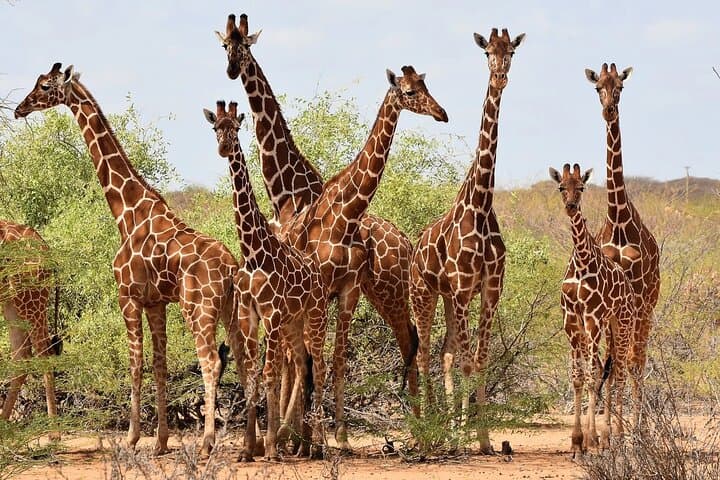
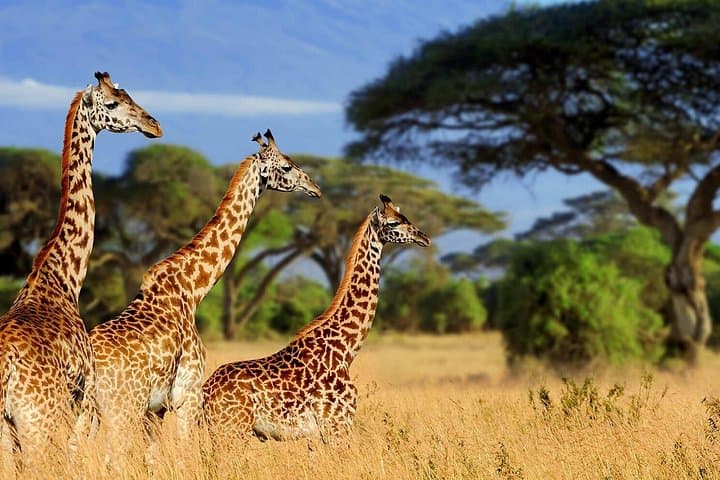

You step onto a raised wooden platform as a long-necked head fills the skyline, mottled tongue reaching for pellets—giraffes incline like curious elders meeting a new guest. That intimate moment at the Giraffe Centre gives way, hours later, to narrow lanes in Kibera where chatter, markets and children's voices push forward the rhythm of daily life.
You step onto a raised wooden platform as a long-necked head fills the skyline, mottled tongue reaching for pellets—giraffes incline like curious elders meeting a new guest. That intimate moment at the Giraffe Centre gives way, hours later, to narrow lanes in Kibera where chatter, markets and children's voices push forward the rhythm of daily life.
The Giraffe Centre began as a grassroots conservation effort to save the endangered Rothschild giraffe; the raised platforms and auditorium are modern fixtures on land shaped by the Rift Valley's volcanic past and Nairobi's highland plains. Kibera, one of Africa's largest informal settlements, traces parts of its modern identity to early 20th-century labor and settlement patterns and today hosts a dense network of workshops, schools and micro-enterprises.
On this combined tour you’ll witness wildlife-focused conservation and urban resilience in a single day: giraffes approaching for feedings and local artisans turning recycled materials into crafts. Guides explain breeding programs, water access challenges and community initiatives that run nursery schools and craft co-ops.
Practically: the tour runs about six to eight hours, includes entrance fees and bottled water, and involves short walks on uneven ground and tight lanes. Wear sturdy shoes, carry small cash for local vendors, and be prepared to ask permission before photographing people. Morning departures avoid Nairobi traffic and midday heat. Respectful curiosity—listening, asking, and buying local crafts—makes the visit meaningful for both visitors and hosts. The day moves at two distinct paces: slow-eyed giraffes and the quick, conversational tempo of Kibera.