THE ADVENTURE COLLECTIVE® · Independent discovery and booking for outdoor travel

Capture Kyoto’s Gion streets and the Yasaka Pagoda in a private 30–60 minute photoshoot guided by a local pro. Get same-day high-resolution JPEGs and edited retouches—ideal for solo travelers, couples, and families.
Capture Kyoto’s Gion streets and the Yasaka Pagoda in a private 30–60 minute photoshoot guided by a local pro. Get same-day high-resolution JPEGs and edited retouches—ideal for solo travelers, couples, and families.
You step off a narrow lane and the five-story silhouette of Hōkan-ji (Yasaka Pagoda) cuts the sky—paper lanterns sway, wooden machiya line the street, and the city hushes into a frame. A local photographer adjusts focal length while the stone underfoot and the Higashiyama ridge beyond arrange themselves into a portrait-ready backdrop.
Verified experiences and guided adventures in the surrounding area.
Operated by Micky P · Kyoto, Kyoto
You step off a narrow lane and the five-story silhouette of Hōkan-ji (Yasaka Pagoda) cuts the sky—paper lanterns sway, wooden machiya line the street, and the city hushes into a frame. A local photographer adjusts focal length while the stone underfoot and the Higashiyama ridge beyond arrange themselves into a portrait-ready backdrop.
Gion’s streets reflect Kyoto’s layered history: Edo-period merchants, wooden townhouses, and Buddhist temples stacked against a city laid out during the Heian era. Geologically, you’re standing on the Kyoto Basin’s alluvial plain with the Higashiyama hills rising to the east, which gives the neighborhood its sheltered light and compact, walkable alleys prized by photographers.
Culturally, Gion is attentive territory—maiko and geiko traditions remain visible and deserve respectful distance. The shoot’s route typically includes Yasaka Pagoda, Nene-no-Michi, and Maruyama Park, places where architecture and seasonal plantings create different moods.
Practical guide: sessions run 30–60 minutes; expect about 200+ raw frames and same-day JPEG delivery plus edited retouches within 15–30 minutes. Wear comfortable shoes for cobbles and bring a light jacket for changing light. Aim for early morning or golden hour to avoid crowds and harsh midday shadow. Ask your photographer about composition preferences, whether you want candid movement or posed portraits, and permission norms around photographing performers or shrine interiors.
This is an urban walk-and-shoot: low exertion, high variety, and a direct way to take home technically strong images that capture Kyoto’s architecture, narrow streets, and the human scale that makes Gion compelling.
easy.
30–60 minutes.
Minimal fitness needed; participants should be comfortable walking short distances on uneven pavement.
Expect around 200+ original JPEGs from the session; a selection of edited/retouched images will be provided within 15–30 minutes.
Yes—photographers know Higashiyama routes like Yasaka Pagoda, Nene-no-Michi, and Maruyama Park and can tailor the route within the allotted time.
Yes—sessions accommodate solo travelers, couples, families and small groups, but larger groups may require more time or an additional session.
Most exterior shots in public areas don’t require permits, but some temple interiors or commercial shoots may; your guide will advise on-site and avoid restricted zones.
Gion developed as both an entertainment quarter and religious precinct over centuries, with Yasaka Pagoda serving as a visual landmark for the Higashiyama area.
Stay on designated paths, avoid trampling plantings in Maruyama Park, and minimize flash or intrusive setups near performers and shrines to protect cultural sites.
Micky P operates guided outdoor trips and adventures with an emphasis on safety, stewardship, and memorable experiences.
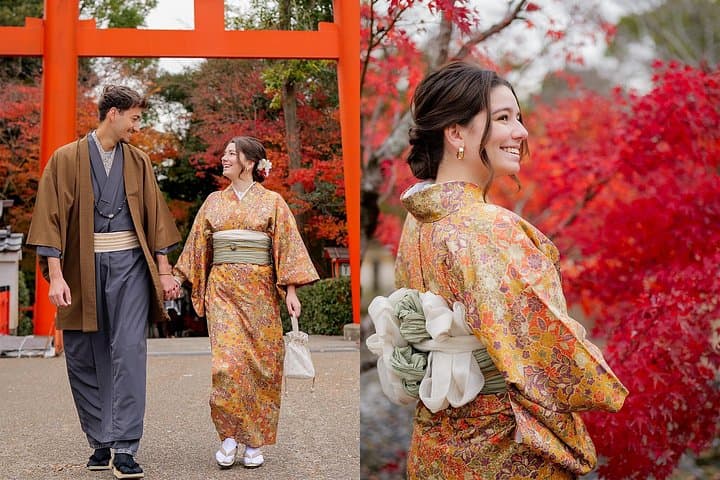
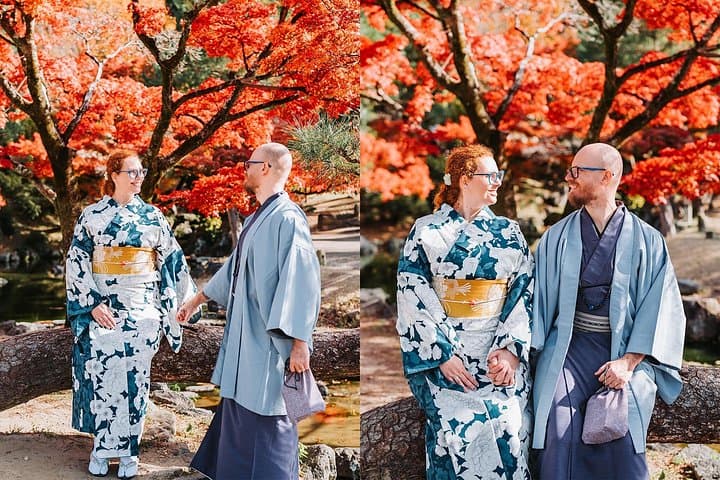
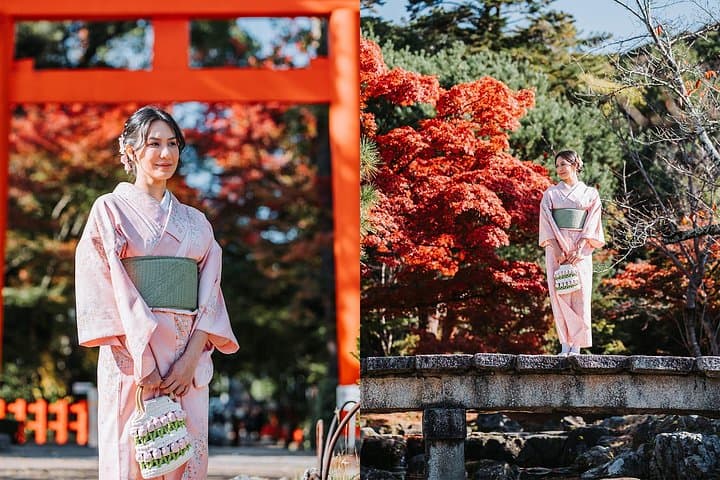
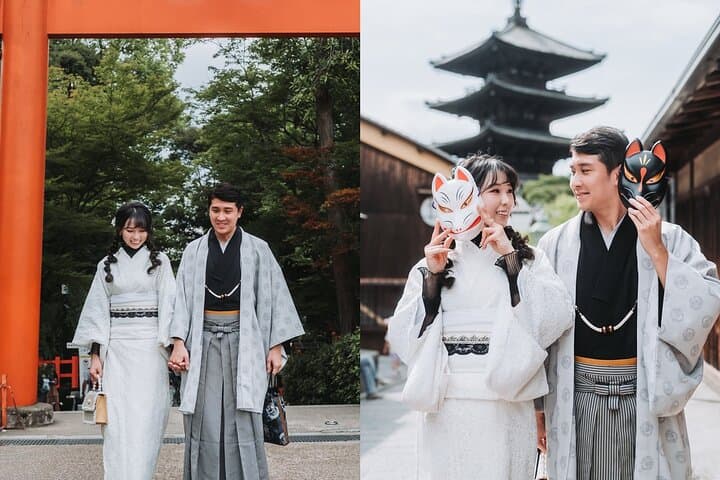
You step off a narrow lane and the five-story silhouette of Hōkan-ji (Yasaka Pagoda) cuts the sky—paper lanterns sway, wooden machiya line the street, and the city hushes into a frame. A local photographer adjusts focal length while the stone underfoot and the Higashiyama ridge beyond arrange themselves into a portrait-ready backdrop.
You step off a narrow lane and the five-story silhouette of Hōkan-ji (Yasaka Pagoda) cuts the sky—paper lanterns sway, wooden machiya line the street, and the city hushes into a frame. A local photographer adjusts focal length while the stone underfoot and the Higashiyama ridge beyond arrange themselves into a portrait-ready backdrop.
Gion’s streets reflect Kyoto’s layered history: Edo-period merchants, wooden townhouses, and Buddhist temples stacked against a city laid out during the Heian era. Geologically, you’re standing on the Kyoto Basin’s alluvial plain with the Higashiyama hills rising to the east, which gives the neighborhood its sheltered light and compact, walkable alleys prized by photographers.
Culturally, Gion is attentive territory—maiko and geiko traditions remain visible and deserve respectful distance. The shoot’s route typically includes Yasaka Pagoda, Nene-no-Michi, and Maruyama Park, places where architecture and seasonal plantings create different moods.
Practical guide: sessions run 30–60 minutes; expect about 200+ raw frames and same-day JPEG delivery plus edited retouches within 15–30 minutes. Wear comfortable shoes for cobbles and bring a light jacket for changing light. Aim for early morning or golden hour to avoid crowds and harsh midday shadow. Ask your photographer about composition preferences, whether you want candid movement or posed portraits, and permission norms around photographing performers or shrine interiors.
This is an urban walk-and-shoot: low exertion, high variety, and a direct way to take home technically strong images that capture Kyoto’s architecture, narrow streets, and the human scale that makes Gion compelling.