THE ADVENTURE COLLECTIVE® · Independent discovery and booking for outdoor travel

Experience Ginza’s high-end dining on a guided 2.5-hour omakase tour with guaranteed counter seating at top sushi and tempura spots. Learn etiquette, sample premium sake, and finish with insider stops around Tokyo’s luxury district.
Experience Ginza’s high-end dining on a guided 2.5-hour omakase tour with guaranteed counter seating at top sushi and tempura spots. Learn etiquette, sample premium sake, and finish with insider stops around Tokyo’s luxury district.
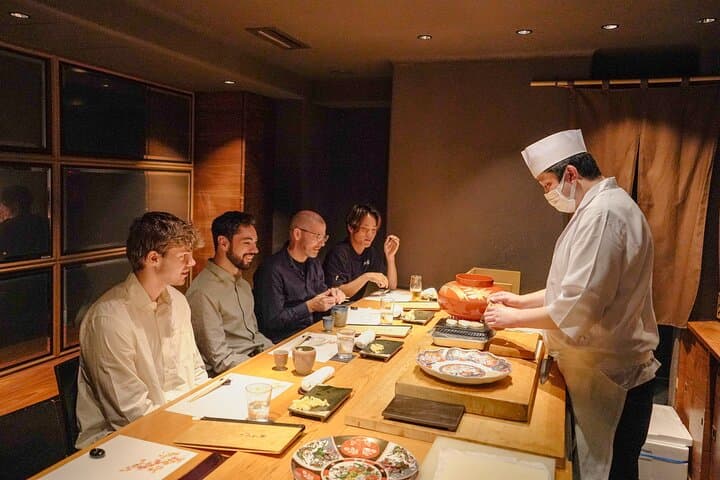
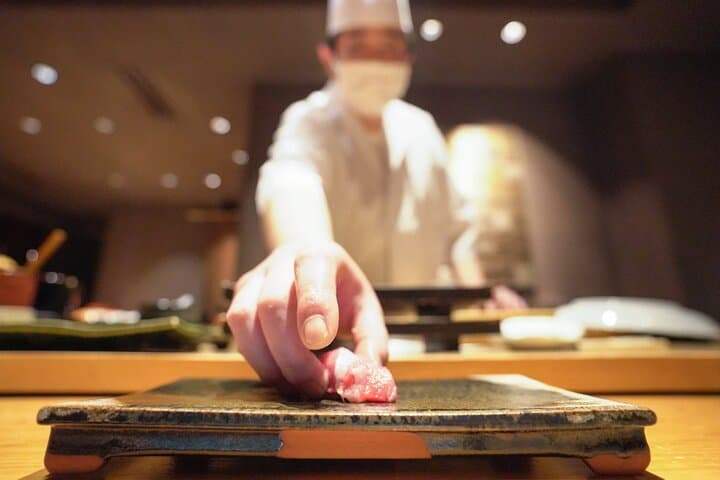
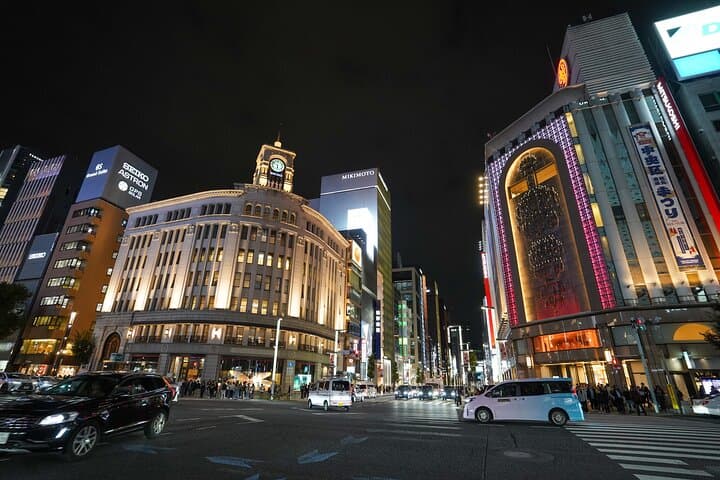
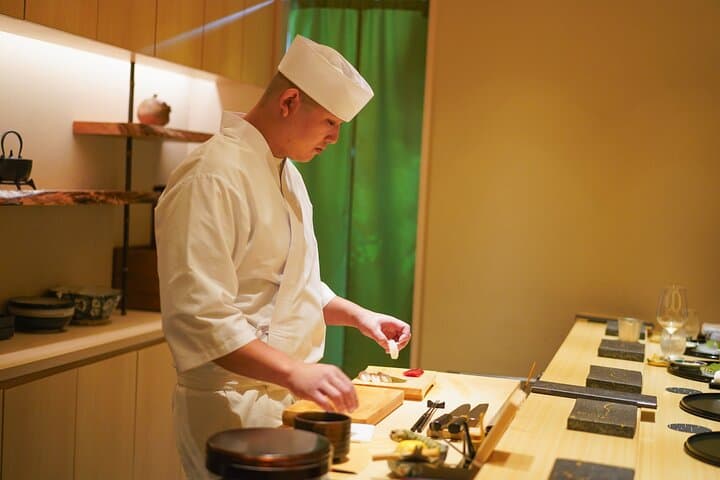
Stand beneath the Mitsukoshi lion and the city shifts: neon reflections on polished stone, the guide’s voice cutting through evening traffic, then the hush of a sushi counter where blades and rice meet in quiet choreography.
Verified experiences and guided adventures in the surrounding area.
Operated by MagicalTrip Inc. · Tokyo, Tokyo
Stand beneath the Mitsukoshi lion and the city shifts: neon reflections on polished stone, the guide’s voice cutting through evening traffic, then the hush of a sushi counter where blades and rice meet in quiet choreography.
Ginza earned its luxe reputation after the Meiji era; a post‑fire rebuild introduced Western-style brick and wide avenues that replaced Edo‑period wooden rows. The neighborhood sits on the flat Tokyo Plain, a cultivated urban surface that now supports flagship boutiques, narrow alleys, and tucked‑away restaurants. On this omakase route you’ll move from intimate counter seating—where chefs plate directly for you—to a tempura kitchen that treats batter and oil like instruments tuned to crispness.
Culturally the tour is as much etiquette lesson as tasting: proper nigiri handling, mindful soy use, and the rhythm of shared toasts with sake or beer. The guide threads history and practical cues through the evening, pointing out small shrines and discrete cocktail bars that reveal Ginza after dark.
Plan for 2.5 hours of mostly standing and short walks between venues; the route covers central Ginza within easy reach of Ginza Station. Wear comfortable shoes and carry modest cash—some bars still prefer it. Note dietary substitutions are possible when requested in advance; tipping is not customary in Japan. Arrive on time to secure guaranteed counter seating: missing the start can mean forfeiting the omakase sequence. In short, expect precise craftsmanship, a curated walk through Ginza’s polished streets, and a guided lesson in how Tokyo eats as much as it tastes.
easy.
2–3 hours.
Low-impact: able to stand for short periods and walk short city blocks; suitable for most fitness levels
Meet at the Mitsukoshi lion statue in Ginza; weekday tours typically start at 16:30 and weekend/public holiday tours at 15:30—confirm your booking confirmation for exact times.
Yes—dietary needs can be accommodated with advance notice during booking; notify the operator of allergies or major restrictions as early as possible.
Tipping is not customary in Japan; appreciation is shown by polite thanks and following dining etiquette rather than extra money.
The experience suits older children who can sit at counter seating and follow restaurant etiquette; check the operator’s age policy when booking.
Ginza was redeveloped after an 1872 fire into one of Tokyo’s first Western-style shopping districts, evolving into the upscale dining and retail area seen today.
Many high-end sushi and tempura chefs emphasize seasonal sourcing to reduce waste; visitors can help by respecting portion guidance and minimizing single-use plastics.
MagicalTrip Inc. operates guided outdoor trips and adventures with an emphasis on safety, stewardship, and memorable experiences.
Stand beneath the Mitsukoshi lion and the city shifts: neon reflections on polished stone, the guide’s voice cutting through evening traffic, then the hush of a sushi counter where blades and rice meet in quiet choreography.
Stand beneath the Mitsukoshi lion and the city shifts: neon reflections on polished stone, the guide’s voice cutting through evening traffic, then the hush of a sushi counter where blades and rice meet in quiet choreography.
Ginza earned its luxe reputation after the Meiji era; a post‑fire rebuild introduced Western-style brick and wide avenues that replaced Edo‑period wooden rows. The neighborhood sits on the flat Tokyo Plain, a cultivated urban surface that now supports flagship boutiques, narrow alleys, and tucked‑away restaurants. On this omakase route you’ll move from intimate counter seating—where chefs plate directly for you—to a tempura kitchen that treats batter and oil like instruments tuned to crispness.
Culturally the tour is as much etiquette lesson as tasting: proper nigiri handling, mindful soy use, and the rhythm of shared toasts with sake or beer. The guide threads history and practical cues through the evening, pointing out small shrines and discrete cocktail bars that reveal Ginza after dark.
Plan for 2.5 hours of mostly standing and short walks between venues; the route covers central Ginza within easy reach of Ginza Station. Wear comfortable shoes and carry modest cash—some bars still prefer it. Note dietary substitutions are possible when requested in advance; tipping is not customary in Japan. Arrive on time to secure guaranteed counter seating: missing the start can mean forfeiting the omakase sequence. In short, expect precise craftsmanship, a curated walk through Ginza’s polished streets, and a guided lesson in how Tokyo eats as much as it tastes.