THE ADVENTURE COLLECTIVE® · Independent discovery and booking for outdoor travel

A day trek from Rishikesh into the Kasmoli foothills — 10 km through ginger fields, village paths and valley viewpoints at ~1,400 m. Expect steady, non-technical terrain, local cultural encounters and panoramic Himalayan views.
A day trek from Rishikesh into the Kasmoli foothills — 10 km through ginger fields, village paths and valley viewpoints at ~1,400 m. Expect steady, non-technical terrain, local cultural encounters and panoramic Himalayan views.
You step off the jeep onto a narrow dirt lane and the valley opens: terraced fields slope away, a cool wind pushes up from the Ganges plain, and distant ridgelines cut the sky. The trail climbs gently through the Kasmoli foothills above Rishikesh, passing small hamlets where morning tea steams on low stoves and ginger roots dry on sunlit paths.
Verified experiences and guided adventures in the surrounding area.
Operated by India Easy Trip Pvt Ltd · Rishikesh, Uttarakhand
You step off the jeep onto a narrow dirt lane and the valley opens: terraced fields slope away, a cool wind pushes up from the Ganges plain, and distant ridgelines cut the sky. The trail climbs gently through the Kasmoli foothills above Rishikesh, passing small hamlets where morning tea steams on low stoves and ginger roots dry on sunlit paths.
This stretch of the Lesser Himalaya is young, tectonically active rock sculpted into steep valleys and narrow ridges by monsoon-fed streams. The people here belong largely to the Garhwal culture — village life centers on small-scale farming, seasonal crops (ginger and pulses) and hill-road trade that shaped settlement patterns for generations.
On the trek expect a 5 km one-way walk (about 10 km round trip) at roughly 1,400 m above sea level. Terrain alternates packed earth, short stone pitches and farm tracks; the ascent is steady but not technical. Wildcard views open at a few clearings: snow-dusted peaks on crisp mornings and broad valley panoramas when clouds lift.
Practical notes: travel providers usually include private transport and a local English-speaking guide; allow 3–4 hours including stops. Avoid the heaviest monsoon spells — trails get slippery and sections cross active drainage lines. Carry water, sturdy footwear, sun protection and small cash for village purchases. Move respectfully through homes and fields: a brief greeting goes a long way with hosts who still farm by hand.
moderate.
3–4 hours.
Suitable for hikers with regular walking fitness; expect steady climbs and short uneven sections.
The route is about 5 km one way (approximately 10 km round trip); most groups finish in 3–4 hours including stops.
Yes, if you have a moderate fitness level and are comfortable walking uneven trails for several hours; the route is non-technical.
No formal permits are typically required for this day trek, though local guides or operators handle logistics and access.
Operators often include breakfast; bring personal water (1–1.5 L) and light snacks for the walk, as village options are limited.
The Garhwal foothills have long supported small-scale subsistence farming; settlement patterns reflect narrow ridge access and terraced agriculture adapted to steep slopes.
Stick to existing trails and avoid littering — soil erosion on steep slopes is a local concern, and villages depend on clean water from seasonal streams.
India Easy Trip Pvt Ltd operates guided outdoor trips and adventures with an emphasis on safety, stewardship, and memorable experiences.
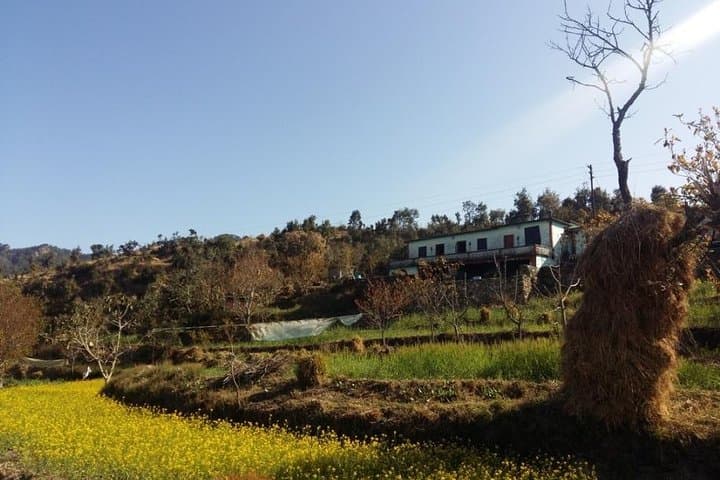
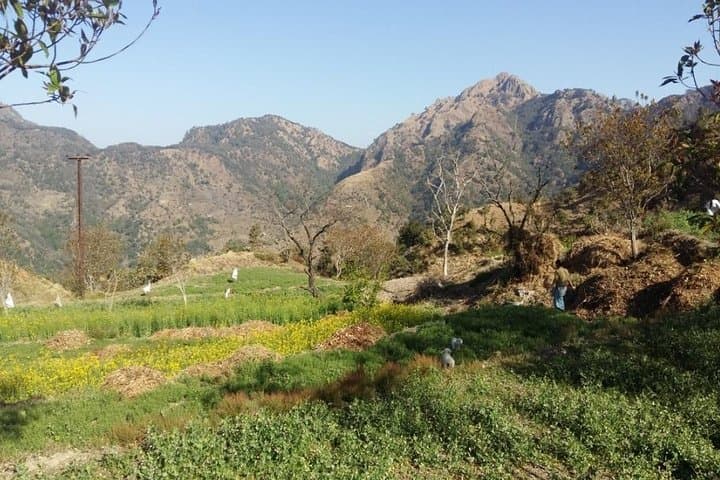
You step off the jeep onto a narrow dirt lane and the valley opens: terraced fields slope away, a cool wind pushes up from the Ganges plain, and distant ridgelines cut the sky. The trail climbs gently through the Kasmoli foothills above Rishikesh, passing small hamlets where morning tea steams on low stoves and ginger roots dry on sunlit paths.
You step off the jeep onto a narrow dirt lane and the valley opens: terraced fields slope away, a cool wind pushes up from the Ganges plain, and distant ridgelines cut the sky. The trail climbs gently through the Kasmoli foothills above Rishikesh, passing small hamlets where morning tea steams on low stoves and ginger roots dry on sunlit paths.
This stretch of the Lesser Himalaya is young, tectonically active rock sculpted into steep valleys and narrow ridges by monsoon-fed streams. The people here belong largely to the Garhwal culture — village life centers on small-scale farming, seasonal crops (ginger and pulses) and hill-road trade that shaped settlement patterns for generations.
On the trek expect a 5 km one-way walk (about 10 km round trip) at roughly 1,400 m above sea level. Terrain alternates packed earth, short stone pitches and farm tracks; the ascent is steady but not technical. Wildcard views open at a few clearings: snow-dusted peaks on crisp mornings and broad valley panoramas when clouds lift.
Practical notes: travel providers usually include private transport and a local English-speaking guide; allow 3–4 hours including stops. Avoid the heaviest monsoon spells — trails get slippery and sections cross active drainage lines. Carry water, sturdy footwear, sun protection and small cash for village purchases. Move respectfully through homes and fields: a brief greeting goes a long way with hosts who still farm by hand.