THE ADVENTURE COLLECTIVE® · Independent discovery and booking for outdoor travel

An evening in Leblon where drums call you to the floor: learn basic samba steps, enjoy an all-you-can-eat churrasco and watch a colorful showcase of Brazil’s regional dances. Perfect for travelers who want culture, music and a hands-on taste of Carnival-style energy.
An evening in Leblon where drums call you to the floor: learn basic samba steps, enjoy an all-you-can-eat churrasco and watch a colorful showcase of Brazil’s regional dances. Perfect for travelers who want culture, music and a hands-on taste of Carnival-style energy.
The theater lights in Leblon dim and the first batucada hits—a tight, rolling percussion that tugs at your shoulders and makes your feet want to move. You arrive by taxi or hotel transfer, greeted by the smell of churrasco from the dinner buffet and the chatter of tourists and Cariocas alike. Before the curtain lifts there’s a friendly samba class: a short, guided primer that hands you the basic steps and invites you into the pulse of the city.
Verified experiences and guided adventures in the surrounding area.
Operated by Milleviagens · Rio de Janeiro, Rio de Janeiro
The theater lights in Leblon dim and the first batucada hits—a tight, rolling percussion that tugs at your shoulders and makes your feet want to move. You arrive by taxi or hotel transfer, greeted by the smell of churrasco from the dinner buffet and the chatter of tourists and Cariocas alike. Before the curtain lifts there’s a friendly samba class: a short, guided primer that hands you the basic steps and invites you into the pulse of the city.
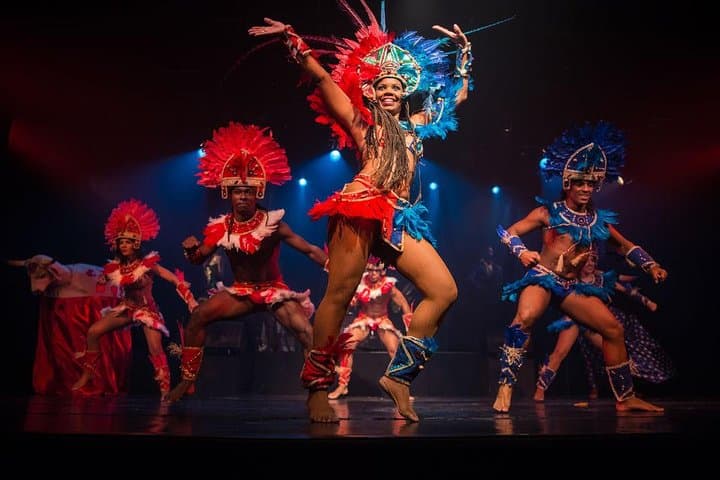
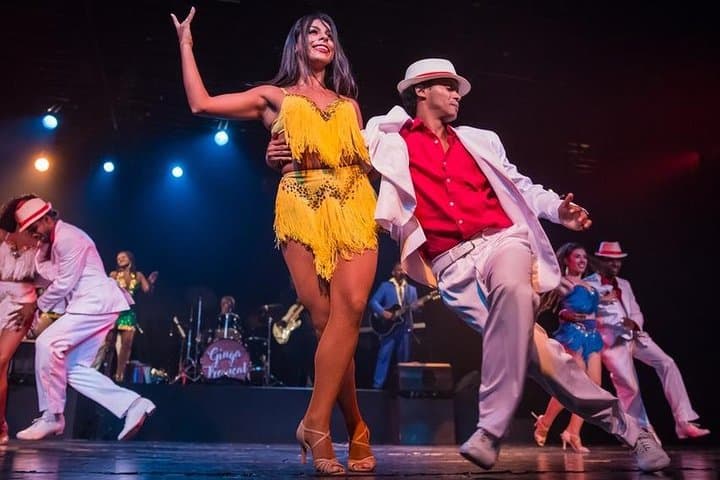
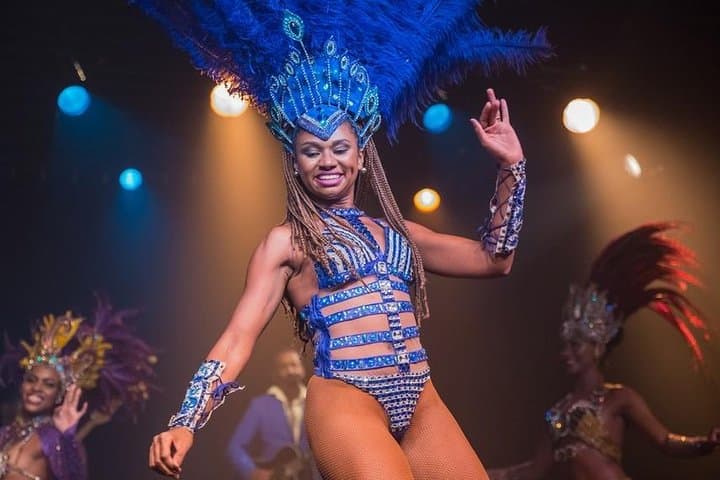
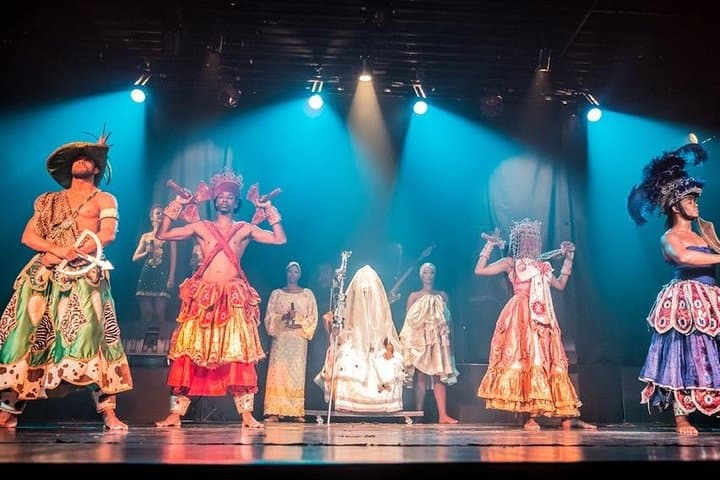
Samba grew from Afro-Brazilian communities in the early 20th century and became Rio’s defining music, amplified every year at Carnival. Ginga Tropical stages that arc—from Amazonian rhythms to Pampas gaucho dances and Bahian Afro-Brazilian beats—paying attention to costume, percussion, and regional styles rather than strict historical narration. The performance is theatrical more than academic: colorful costumes, choreographed ensembles and story-like segments that show Brazil’s cultural breadth.
For planners: arrive 20–30 minutes early for check-in and the buffet; dinner is an all-you-can-eat Brazilian churrascaria style. The samba class is beginner-friendly; expect gentle instruction and light movement rather than a long workout. The venue is wheelchair accessible and close to public transit; transfers to and from many hotels are offered. Bring comfortable shoes for the class, layers for air-conditioning, and a charged phone for photos (flash rules vary). If invited on stage, go for it—participation is part of the fun and the best way to feel Rio’s energy firsthand.
easy.
2–3 hours.
Suitable for most fitness levels; involves short standing and dancing periods—light cardiovascular ability recommended
Yes—this experience includes an all-you-can-eat Brazilian churrasco-style dinner as listed in the inclusion details.
No—classes are designed for beginners with simple, guided steps so everyone can join.
The listing notes wheelchair and stroller accessibility and transportation options that accommodate mobility needs.
Pickup is offered from many hotels in Rio—confirm your pickup point during booking or on the operator’s pre-trip questionnaire.
Samba’s roots are Afro-Brazilian, emerging in urban Rio in the early 1900s and becoming central to Carnival and national identity.
Support sustainable tourism by tipping performers appropriately, minimizing single-use plastics at meals and choosing operators who respect local communities.
Milleviagens operates guided outdoor trips and adventures with an emphasis on safety, stewardship, and memorable experiences.
The theater lights in Leblon dim and the first batucada hits—a tight, rolling percussion that tugs at your shoulders and makes your feet want to move. You arrive by taxi or hotel transfer, greeted by the smell of churrasco from the dinner buffet and the chatter of tourists and Cariocas alike. Before the curtain lifts there’s a friendly samba class: a short, guided primer that hands you the basic steps and invites you into the pulse of the city.
The theater lights in Leblon dim and the first batucada hits—a tight, rolling percussion that tugs at your shoulders and makes your feet want to move. You arrive by taxi or hotel transfer, greeted by the smell of churrasco from the dinner buffet and the chatter of tourists and Cariocas alike. Before the curtain lifts there’s a friendly samba class: a short, guided primer that hands you the basic steps and invites you into the pulse of the city.
Samba grew from Afro-Brazilian communities in the early 20th century and became Rio’s defining music, amplified every year at Carnival. Ginga Tropical stages that arc—from Amazonian rhythms to Pampas gaucho dances and Bahian Afro-Brazilian beats—paying attention to costume, percussion, and regional styles rather than strict historical narration. The performance is theatrical more than academic: colorful costumes, choreographed ensembles and story-like segments that show Brazil’s cultural breadth.
For planners: arrive 20–30 minutes early for check-in and the buffet; dinner is an all-you-can-eat Brazilian churrascaria style. The samba class is beginner-friendly; expect gentle instruction and light movement rather than a long workout. The venue is wheelchair accessible and close to public transit; transfers to and from many hotels are offered. Bring comfortable shoes for the class, layers for air-conditioning, and a charged phone for photos (flash rules vary). If invited on stage, go for it—participation is part of the fun and the best way to feel Rio’s energy firsthand.