THE ADVENTURE COLLECTIVE® · Independent discovery and booking for outdoor travel

Float through Galle’s Ging River mangroves at sunset and watch kingfishers, egrets, and seasonal migrants gather along the estuary. This two-hour cruise from Mahamodara pairs accessible boating with focused birding and local ecosystem insights.
Float through Galle’s Ging River mangroves at sunset and watch kingfishers, egrets, and seasonal migrants gather along the estuary. This two-hour cruise from Mahamodara pairs accessible boating with focused birding and local ecosystem insights.
The boat cuts a low silhouette against the late-afternoon sky as the Ging River narrows and the mangroves lean in, daring you to look closer. On this two-hour cruise launched from Mahamodara, the water carries reflections of sun and wing—kingfishers flash, egrets stand like sentries, and distant calls mark the movements of migratory flocks.
Verified experiences and guided adventures in the surrounding area.
Operated by Summer Dew Tours · Galle, Southern Province
The boat cuts a low silhouette against the late-afternoon sky as the Ging River narrows and the mangroves lean in, daring you to look closer. On this two-hour cruise launched from Mahamodara, the water carries reflections of sun and wing—kingfishers flash, egrets stand like sentries, and distant calls mark the movements of migratory flocks.
Ging River drains the southwestern wet zone from the slopes near Sinharaja and threads through Galle District, creating brackish estuaries rich in mangroves and mudflats. The area’s Dutch and Portuguese-era fishing settlements sit upstream of Galle’s fortified port, and local livelihoods still revolve around fisheries and small-scale agriculture.
Geologically, the river’s branches sculpt tidal channels and sediment bars that create predictable birding hotspots at low tide. Culturally, afternoon cruises overlap with local routines—fishermen mending nets, children watching from bridges—offering naturalists a close view of human and ecological rhythms.
Practical guidance: late-afternoon departures (around 16:00) catch both active feeding and dramatic light; a morning sunrise run gives different species and quieter waters. Expect calm, flat-water cruising suitable for all fitness levels; operators commonly provide life jackets, bottled water, and a guide who points out endemics and migrants. Keep gear simple—binoculars, sun protection, and a light windbreaker—and be ready for mosquitoes near mangrove fringes. The experience is compact, educational, and low-impact when guests respect wildlife distances and avoid feeding. For photographers and birders, the Ging River delivers concentrated sightings in a short window—efficient, accessible, and quietly revealing of Sri Lanka’s coastal biodiversity.
easy.
2 hours.
Suitable for all fitness levels; requires basic mobility to step into a low boat.
Late afternoon around 16:00–18:00 is recommended for active feeding and dramatic light; sunrise cruises offer quieter conditions and different species.
Yes, operators supply life jackets for all passengers and maintain small private groups—typically up to four per booking.
Yes—infants must sit on an adult’s lap; the trip is physically easy but boat balance should be considered for small children.
Yes, a naturalist guide accompanies the cruise to point out endemic and migratory species and explain the mangrove and estuary ecology.
The Ging River’s estuary has supported coastal fisheries for centuries; nearby Galle grew as a colonial port under Portuguese and Dutch rule, shaping local maritime culture.
Mangrove patches here are fragile—avoid trampling roots and follow guides’ instructions; local groups monitor plastic pollution and encourage low-impact tourism.
Summer Dew Tours operates guided outdoor trips and adventures with an emphasis on safety, stewardship, and memorable experiences.
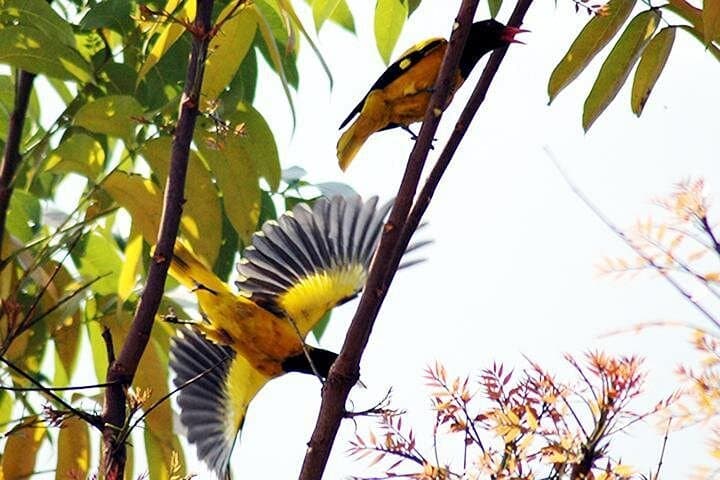
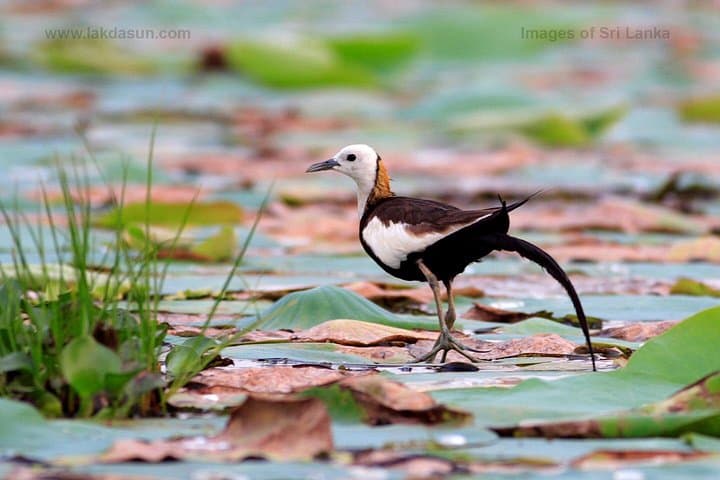
The boat cuts a low silhouette against the late-afternoon sky as the Ging River narrows and the mangroves lean in, daring you to look closer. On this two-hour cruise launched from Mahamodara, the water carries reflections of sun and wing—kingfishers flash, egrets stand like sentries, and distant calls mark the movements of migratory flocks.
The boat cuts a low silhouette against the late-afternoon sky as the Ging River narrows and the mangroves lean in, daring you to look closer. On this two-hour cruise launched from Mahamodara, the water carries reflections of sun and wing—kingfishers flash, egrets stand like sentries, and distant calls mark the movements of migratory flocks.
Ging River drains the southwestern wet zone from the slopes near Sinharaja and threads through Galle District, creating brackish estuaries rich in mangroves and mudflats. The area’s Dutch and Portuguese-era fishing settlements sit upstream of Galle’s fortified port, and local livelihoods still revolve around fisheries and small-scale agriculture.
Geologically, the river’s branches sculpt tidal channels and sediment bars that create predictable birding hotspots at low tide. Culturally, afternoon cruises overlap with local routines—fishermen mending nets, children watching from bridges—offering naturalists a close view of human and ecological rhythms.
Practical guidance: late-afternoon departures (around 16:00) catch both active feeding and dramatic light; a morning sunrise run gives different species and quieter waters. Expect calm, flat-water cruising suitable for all fitness levels; operators commonly provide life jackets, bottled water, and a guide who points out endemics and migrants. Keep gear simple—binoculars, sun protection, and a light windbreaker—and be ready for mosquitoes near mangrove fringes. The experience is compact, educational, and low-impact when guests respect wildlife distances and avoid feeding. For photographers and birders, the Ging River delivers concentrated sightings in a short window—efficient, accessible, and quietly revealing of Sri Lanka’s coastal biodiversity.