THE ADVENTURE COLLECTIVE® · Independent discovery and booking for outdoor travel

A guided four-hour snorkeling circuit around the Gili Islands that hits Turtle Point, the 48-figure "Nest," a shallow wreck reef, and the colorful Fish Garden. Ideal for swimmers comfortable in open water who want close encounters with turtles and healthy coral patches.
A guided four-hour snorkeling circuit around the Gili Islands that hits Turtle Point, the 48-figure "Nest," a shallow wreck reef, and the colorful Fish Garden. Ideal for swimmers comfortable in open water who want close encounters with turtles and healthy coral patches.
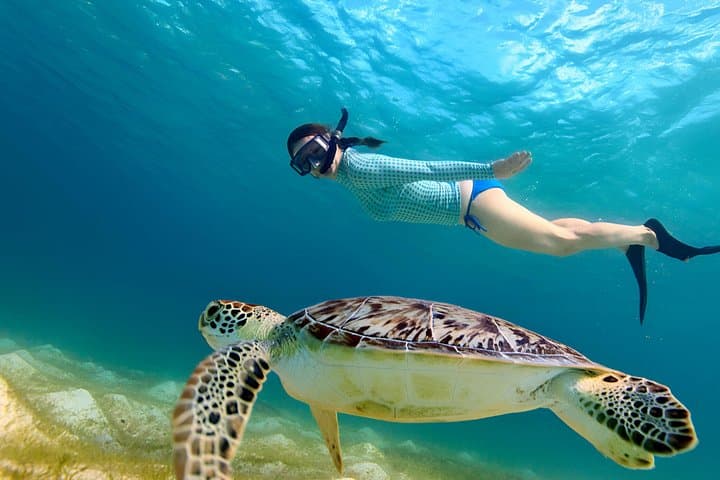
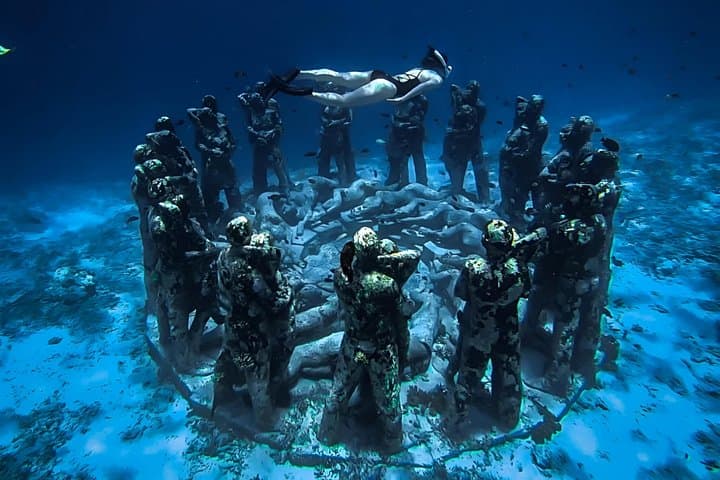
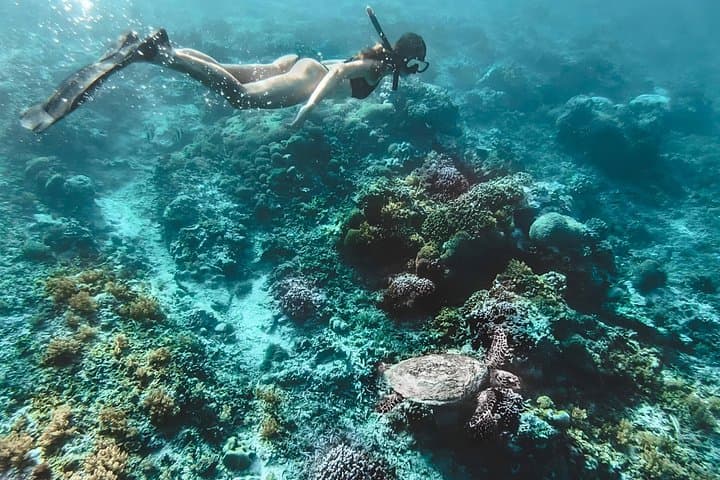
The boat slips away from the pier and the water takes over — bright, shallow, and prospecting. At Turtle Point the sea seems to hold its breath: green and hawksbill turtles rise and dip among seagrass, unbothered as snorkelers tread the surface. A short run later, the water cools over the "Nest" — 48 life-size figures arranged in a ring, an artificial reef that invites growth and camera frames.
Verified experiences and guided adventures in the surrounding area.
Operated by Bali Triptop · Gili Trawangan, West Nusa Tenggara
The boat slips away from the pier and the water takes over — bright, shallow, and prospecting. At Turtle Point the sea seems to hold its breath: green and hawksbill turtles rise and dip among seagrass, unbothered as snorkelers tread the surface. A short run later, the water cools over the "Nest" — 48 life-size figures arranged in a ring, an artificial reef that invites growth and camera frames.
These islands sit on the eastern edge of Lombok Strait, where volcanic soil from Lombok meets coral platforms, creating shallow gardens and sudden drop-offs. Gili Meno’s east side and the southeast near Gili Air host dense soft and hard corals; the Bounty Wreck rests at about 8–10 meters, its beams colonized by anemones and schooling fish. Local culture blends Sasak and Balinese influences — fishermen still mend nets by hand and occasional offerings mark small shore shrines.
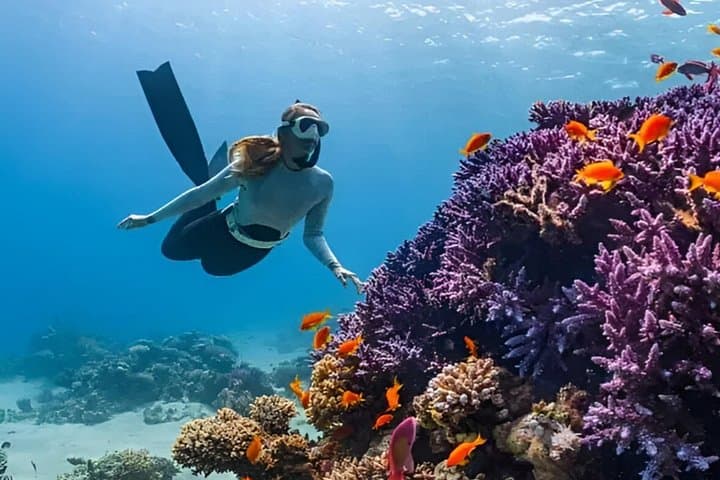
Expect clarity between 5–20 meters depending on tide and season; currents can nudge the route, so guides plan stops for conditions. The usual 4-hour tour moves through Turtle Point, Nest, Coral Garden, the Bounty Wreck, and Fish Garden (famous for blue coral and plentiful reef fish).
Practical side: bring a well-fitting mask, reef-safe sunscreen, a lightweight rash guard, and water shoes for rocky landings. Listen to briefing on buoyancy and no-touch rules — the reefs are fragile and turtles are protected under Indonesian law. Aim for morning departures for calmer seas and cleaner visibility, and keep a waterproof camera ready: the islands reward patient, respectful observation.
easy.
4 hours.
Basic swimming ability and comfort in open water; able to snorkel for 20–40 minute stretches with brief rests
Maintain distance and avoid chasing; follow your guide’s instructions — typically stay several meters back so turtles can surface and feed undisturbed.
Most stops are shallow (1–6 meters); the Bounty Wreck sits deeper around 8–10 meters and is viewed from the surface or by confident freedivers under guidance.
Tours provide life jackets and operators can assign more supervised spots; inform the operator when booking so they can accommodate you.
Some operators may feed fish to concentrate sightings, but feeding can alter behavior — ask your guide about local practices and opt for tours that minimize feeding.
The Gilis formed on coral platforms adjacent to Lombok; fishing and small-scale tourism have long shaped local livelihoods, with recent art installations like the Nest added to encourage coral growth.
Dive operators increasingly use mooring buoys and promote reef-safe practices; visitors should avoid anchoring on reefs and use biodegradable products to limit impact.
Bali Triptop operates guided outdoor trips and adventures with an emphasis on safety, stewardship, and memorable experiences.
The boat slips away from the pier and the water takes over — bright, shallow, and prospecting. At Turtle Point the sea seems to hold its breath: green and hawksbill turtles rise and dip among seagrass, unbothered as snorkelers tread the surface. A short run later, the water cools over the "Nest" — 48 life-size figures arranged in a ring, an artificial reef that invites growth and camera frames.
The boat slips away from the pier and the water takes over — bright, shallow, and prospecting. At Turtle Point the sea seems to hold its breath: green and hawksbill turtles rise and dip among seagrass, unbothered as snorkelers tread the surface. A short run later, the water cools over the "Nest" — 48 life-size figures arranged in a ring, an artificial reef that invites growth and camera frames.
These islands sit on the eastern edge of Lombok Strait, where volcanic soil from Lombok meets coral platforms, creating shallow gardens and sudden drop-offs. Gili Meno’s east side and the southeast near Gili Air host dense soft and hard corals; the Bounty Wreck rests at about 8–10 meters, its beams colonized by anemones and schooling fish. Local culture blends Sasak and Balinese influences — fishermen still mend nets by hand and occasional offerings mark small shore shrines.
Expect clarity between 5–20 meters depending on tide and season; currents can nudge the route, so guides plan stops for conditions. The usual 4-hour tour moves through Turtle Point, Nest, Coral Garden, the Bounty Wreck, and Fish Garden (famous for blue coral and plentiful reef fish).
Practical side: bring a well-fitting mask, reef-safe sunscreen, a lightweight rash guard, and water shoes for rocky landings. Listen to briefing on buoyancy and no-touch rules — the reefs are fragile and turtles are protected under Indonesian law. Aim for morning departures for calmer seas and cleaner visibility, and keep a waterproof camera ready: the islands reward patient, respectful observation.