THE ADVENTURE COLLECTIVE® · Independent discovery and booking for outdoor travel

Walk Gijón’s historic center with an accredited guide, moving from the Letronas and Cimavilla through Roman baths, Jovellanos’s birthplace and Chillida’s sculpture. This two‑hour private tour blends archaeology, maritime culture and local food tips.
Walk Gijón’s historic center with an accredited guide, moving from the Letronas and Cimavilla through Roman baths, Jovellanos’s birthplace and Chillida’s sculpture. This two‑hour private tour blends archaeology, maritime culture and local food tips.
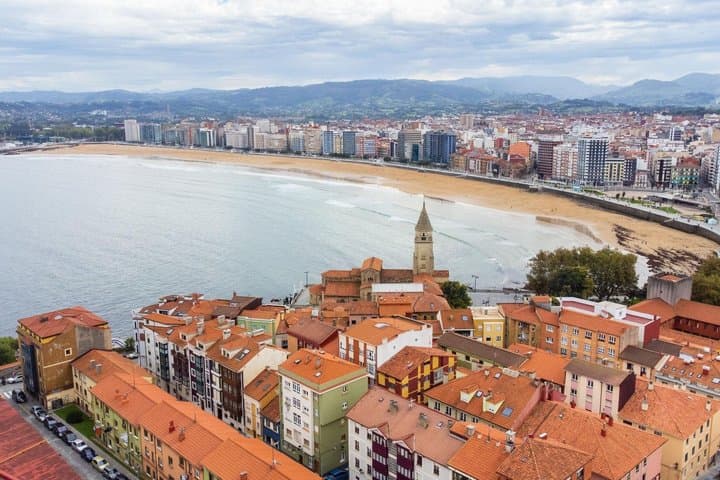
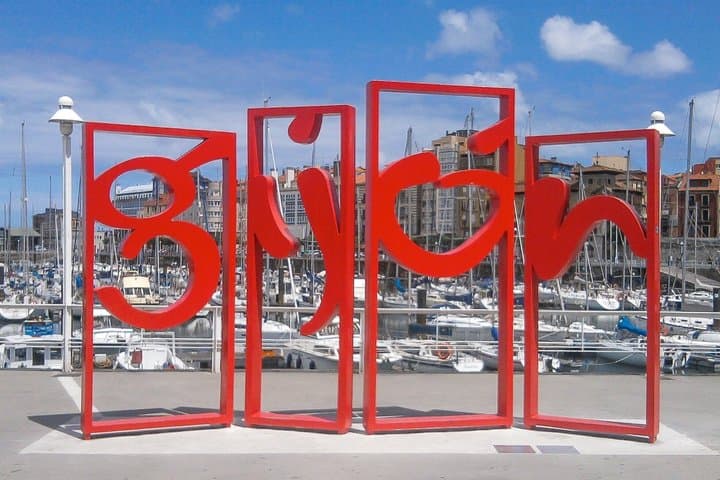
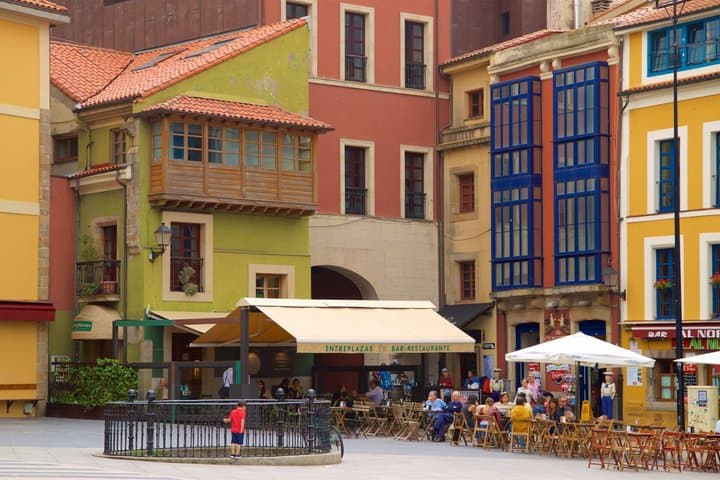
A damp Cantabrian wind pushes up from San Lorenzo, and the Letronas—giant colored letters overlooking the marina—stand like a modern welcome sign as the small group steps off the pavement. The private walking tour threads from that point into Cimavilla, where narrow lanes slope toward the sea and the city’s history gathers in stone and salt.
Verified experiences and guided adventures in the surrounding area.
Operated by Abaq DMC Spain · Gijón, Asturias
A damp Cantabrian wind pushes up from San Lorenzo, and the Letronas—giant colored letters overlooking the marina—stand like a modern welcome sign as the small group steps off the pavement. The private walking tour threads from that point into Cimavilla, where narrow lanes slope toward the sea and the city’s history gathers in stone and salt.
Gijón grew from the Roman settlement of Gigia into a medieval fishing quarter and later an industrial port. Visitors will pass fragments of the Roman wall, the thermal complex of the Roman Baths of Campo Valdés and the 18th‑century Revillagigedo Palace, each site showing a different economic pulse: empire, fisheries, commerce. Eduardo Chillida’s Praise of the Horizon looms on Santa Catalina hill, a concrete curve that frames the horizon and the sea daring you to look farther.
The guide explains Jovellanos’s influence on Asturias, points out metal “Chaponas” inlaid with local history and maps out streets best for cider and tapas after the tour. Expect urban cobbles, short flights of steps and several viewpoints over the bay.
Practical notes: the route is accessible and paced for most abilities but includes uneven surfaces — wear sturdy shoes and bring a light jacket; coastal weather changes fast. Morning departures offer softer light and fewer crowds; late afternoons are ideal for combining the walk with an early tapas crawl. Bring water, a charged phone for photos and a sense of curiosity—the tour is as much about local life as it is about monuments.
easy.
2 hours.
Suitable for most fitness levels; involves walking on cobbles and short inclines
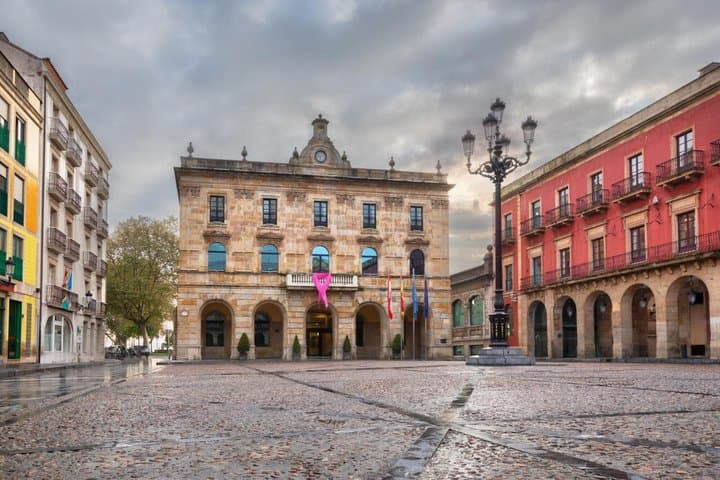
The private tour runs approximately two hours and follows a compact route through Cimavilla, the Roman baths and Plaza Mayor.
Yes—strollers are possible, though some narrow streets and steps may require assistance; notify the operator of infants or mobility needs when booking.
This walking tour focuses on exterior sites and narration; admissions to museums or paid attractions are generally not included unless specified.
Guides are accredited and typically offer tours in Spanish and often English; confirm language preferences at booking.
Gijón developed from the Roman town of Gigia; successive maritime economies shaped its layout from the peninsula of Cimavilla outward.
Visitors are encouraged to stick to marked paths and avoid disturbing archaeological remains; local programs promote sustainable tourism and waste reduction in coastal areas.
Abaq DMC Spain operates guided outdoor trips and adventures with an emphasis on safety, stewardship, and memorable experiences.
A damp Cantabrian wind pushes up from San Lorenzo, and the Letronas—giant colored letters overlooking the marina—stand like a modern welcome sign as the small group steps off the pavement. The private walking tour threads from that point into Cimavilla, where narrow lanes slope toward the sea and the city’s history gathers in stone and salt.
A damp Cantabrian wind pushes up from San Lorenzo, and the Letronas—giant colored letters overlooking the marina—stand like a modern welcome sign as the small group steps off the pavement. The private walking tour threads from that point into Cimavilla, where narrow lanes slope toward the sea and the city’s history gathers in stone and salt.
Gijón grew from the Roman settlement of Gigia into a medieval fishing quarter and later an industrial port. Visitors will pass fragments of the Roman wall, the thermal complex of the Roman Baths of Campo Valdés and the 18th‑century Revillagigedo Palace, each site showing a different economic pulse: empire, fisheries, commerce. Eduardo Chillida’s Praise of the Horizon looms on Santa Catalina hill, a concrete curve that frames the horizon and the sea daring you to look farther.
The guide explains Jovellanos’s influence on Asturias, points out metal “Chaponas” inlaid with local history and maps out streets best for cider and tapas after the tour. Expect urban cobbles, short flights of steps and several viewpoints over the bay.
Practical notes: the route is accessible and paced for most abilities but includes uneven surfaces — wear sturdy shoes and bring a light jacket; coastal weather changes fast. Morning departures offer softer light and fewer crowds; late afternoons are ideal for combining the walk with an early tapas crawl. Bring water, a charged phone for photos and a sense of curiosity—the tour is as much about local life as it is about monuments.