THE ADVENTURE COLLECTIVE® · Independent discovery and booking for outdoor travel

Glide through Giethoorn’s back canals in a small private boat, exploring peat-formed waterways and quiet bridges before crowds arrive. This day trip from Amsterdam combines a guided boat passage with time to walk the village and learn its peatland history.
Glide through Giethoorn’s back canals in a small private boat, exploring peat-formed waterways and quiet bridges before crowds arrive. This day trip from Amsterdam combines a guided boat passage with time to walk the village and learn its peatland history.
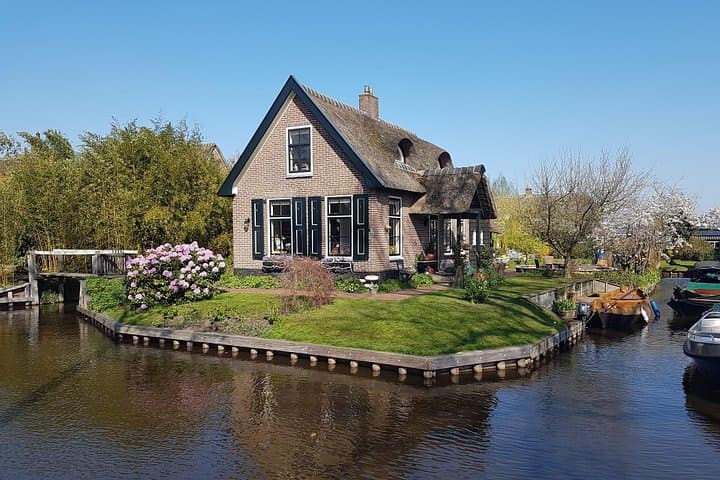
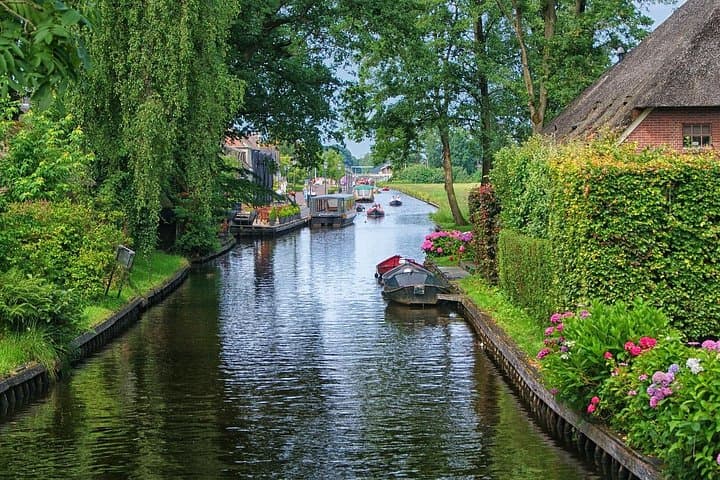
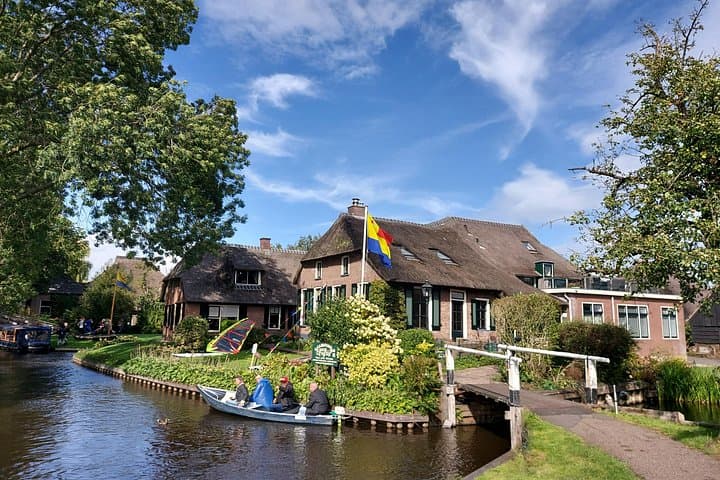
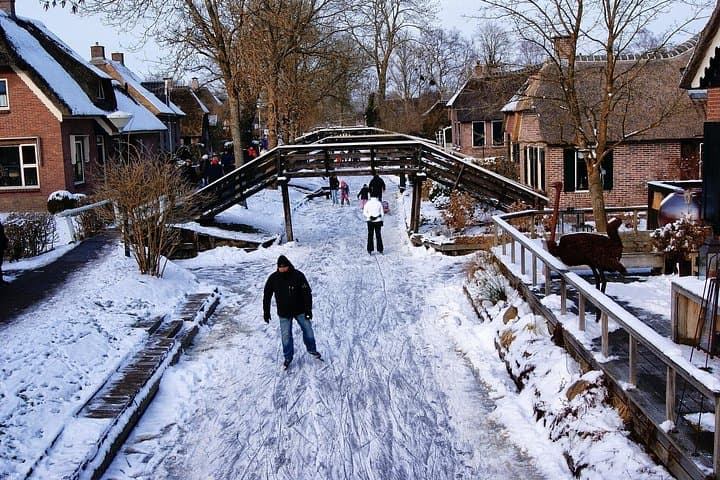
You step out of the Mercedes van into a sky that leans low over reed-fringed water. The village greets you with narrow canals, low arched footbridges and houses whose thatched roofs press close to the waterline. A small private boat waits—quiet, maneuverable—and the captain threads a course through back channels that larger tour groups rarely reach.
Verified experiences and guided adventures in the surrounding area.
Operated by OuYi Travel · Giethoorn, Overijssel
You step out of the Mercedes van into a sky that leans low over reed-fringed water. The village greets you with narrow canals, low arched footbridges and houses whose thatched roofs press close to the waterline. A small private boat waits—quiet, maneuverable—and the captain threads a course through back channels that larger tour groups rarely reach.
Giethoorn began as a peat-digging settlement in the Middle Ages; the watery lanes are not natural rivers but scars left by extraction that later filled to become the lakes and canals you glide across today. The surrounding peat and marshland belong to the Weerribben-Wieden complex, one of Europe’s largest freshwater peat bog systems, and the landscape still carries the imprint of human use: wooden bridges, farmhouses on raised plots and narrow towpaths.
Culturally, boating is the local rhythm—residents arrive by skiff and village life unfolds at water's edge. Local guides will point out the museum farmhouses and explain how traditional carpentry and thatch remain part of everyday upkeep.
Practicalities: plan for a full day (about eight hours door-to-door from Amsterdam), bring layers against wind and spray, and expect light walking on cobblestones and grassy paths. Early or late in the day is quieter; mid-afternoon brings the busiest boat traffic. Respect quiet zones, keep wakes minimal, and carry a small pack with water and a camera—Giethoorn rewards slow navigation and attention to small details.
moderate.
8 hours.
Moderate fitness: you should be able to board a low boat, walk 1–2 hours on uneven surfaces, and stand during the canal cruise.
The tour meets at the DoubleTree by Hilton Amsterdam Central Station (Oosterdoksstraat 4) near Amsterdam Centraal—plan to arrive 10–15 minutes early.
The small private boat requires stepping into a low craft and some balance; travelers with limited mobility should contact the operator in advance to discuss assistance options.
Meals are not included; the itinerary provides about 1.5 hours of free time in Giethoorn for lunch at cafés or a picnic by the canal.
The operator requires at least five passengers; if the minimum isn’t met the tour may be canceled with full refund at least 24 hours prior.
Giethoorn developed from medieval peat extraction; the dugout pits flooded to form lakes and canals, shaping the distinctive car-free village pattern.
The peat landscape is ecologically sensitive—minimize wake, stick to marked routes and favor operators using low-wake or electric boats to reduce erosion and disturbance.
OuYi Travel operates guided outdoor trips and adventures with an emphasis on safety, stewardship, and memorable experiences.
You step out of the Mercedes van into a sky that leans low over reed-fringed water. The village greets you with narrow canals, low arched footbridges and houses whose thatched roofs press close to the waterline. A small private boat waits—quiet, maneuverable—and the captain threads a course through back channels that larger tour groups rarely reach.
You step out of the Mercedes van into a sky that leans low over reed-fringed water. The village greets you with narrow canals, low arched footbridges and houses whose thatched roofs press close to the waterline. A small private boat waits—quiet, maneuverable—and the captain threads a course through back channels that larger tour groups rarely reach.
Giethoorn began as a peat-digging settlement in the Middle Ages; the watery lanes are not natural rivers but scars left by extraction that later filled to become the lakes and canals you glide across today. The surrounding peat and marshland belong to the Weerribben-Wieden complex, one of Europe’s largest freshwater peat bog systems, and the landscape still carries the imprint of human use: wooden bridges, farmhouses on raised plots and narrow towpaths.
Culturally, boating is the local rhythm—residents arrive by skiff and village life unfolds at water's edge. Local guides will point out the museum farmhouses and explain how traditional carpentry and thatch remain part of everyday upkeep.
Practicalities: plan for a full day (about eight hours door-to-door from Amsterdam), bring layers against wind and spray, and expect light walking on cobblestones and grassy paths. Early or late in the day is quieter; mid-afternoon brings the busiest boat traffic. Respect quiet zones, keep wakes minimal, and carry a small pack with water and a camera—Giethoorn rewards slow navigation and attention to small details.