THE ADVENTURE COLLECTIVE® · Independent discovery and booking for outdoor travel

Spend a day on the Rock of Gibraltar: guided stops, entry to St Michael’s Cave, and close encounters with the famous Barbary macaques. This full-day tour from the Costa del Sol packs history, geology and tax-free shopping into an 11-hour itinerary.
Spend a day on the Rock of Gibraltar: guided stops, entry to St Michael’s Cave, and close encounters with the famous Barbary macaques. This full-day tour from the Costa del Sol packs history, geology and tax-free shopping into an 11-hour itinerary.
A diesel coach threads the Costa del Sol coastline before the Rock of Gibraltar rises ahead — a vertical spine of pale limestone catching sunlight over the Mediterranean. Arrival feels deliberate: the town’s compact streets, the lurch of border checks, and the Rock itself offering sheer, raw geology that has shaped centuries of trade and conflict.
Verified experiences and guided adventures in the surrounding area.
Operated by Julia Travel S.L · Gibraltar, Gibraltar
A diesel coach threads the Costa del Sol coastline before the Rock of Gibraltar rises ahead — a vertical spine of pale limestone catching sunlight over the Mediterranean. Arrival feels deliberate: the town’s compact streets, the lurch of border checks, and the Rock itself offering sheer, raw geology that has shaped centuries of trade and conflict.
Gibraltar sits at the Strait of Gibraltar, where Europeans first called the two promontories the Pillars of Hercules. The Rock’s limestone formed in ancient shallow seas and later uplifted, producing caves such as St Michael’s, a vaulted chamber long used for shelter and, more recently, as a dramatic performance space. Culturally, modern Gibraltar blends British administration with Andalusian proximity — Main Street’s tax-free shops and bilingual signage reflect that hybrid identity. Semi-wild Barbary macaques are as emblematic as the cannons and batteries that recall the fortress history dating to the Treaty of Utrecht (1713).
Practicalities shape the day: expect roughly 11 hours including coach transfers, guided stops on the Rock, a timed entry to St Michael’s Cave, and free time on Main Street. The tour handles transport and cave admission, but travelers must carry passports and any required visas. Wear sturdy walking shoes for uneven pavements and short uphill stretches; bring sun protection and a small daypack for water and purchases. The route is accessible to most fitness levels but includes steps and some steep viewpoints. Keep a respectful distance from the macaques, follow guide instructions, and allow extra time at the border for queues. For a single-day snapshot of Gibraltar’s geology, history, and lively high-street culture, this guided option is efficient and informative — a practical way to step onto the Rock and back again in one day.
easy.
Approximately 11 hours (including transport).
Suitable for most fitness levels; participants should be able to walk short distances and climb steps.
Yes — a current valid passport is required for crossing the border into Gibraltar and must be provided at booking.
Yes — the tour accepts children; infants must sit on a lap. Note walking and border wait times when planning with young kids.
You may encounter the macaques near the top of the Rock, but interactions are unpredictable; keep distance and follow the guide’s safety instructions.
Yes — this tour includes the entrance fee to St Michael’s Cave as part of the itinerary.
Gibraltar’s strategic position at the Strait led to centuries of military fortification; it became a British possession after the 1713 Treaty of Utrecht.
The Barbary macaques are protected and must not be fed; visitors should stay on marked paths and avoid disturbing cave formations to minimize impact.
Julia Travel S.L operates guided outdoor trips and adventures with an emphasis on safety, stewardship, and memorable experiences.
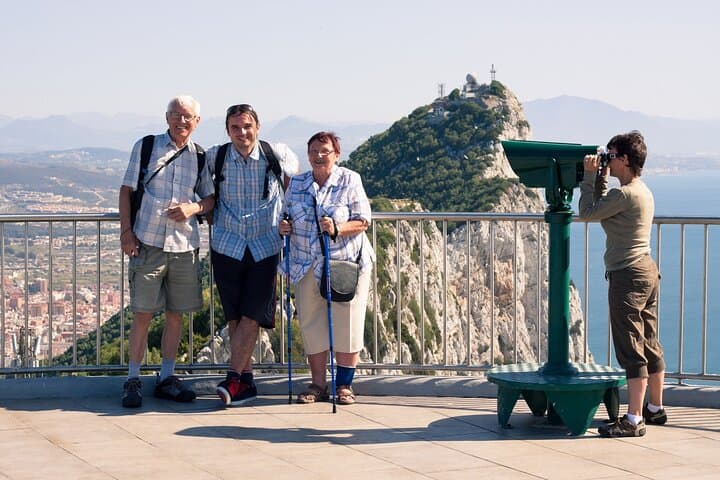
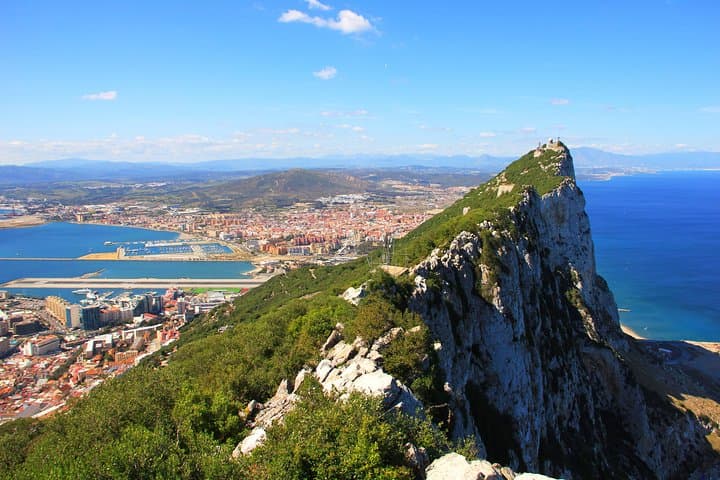
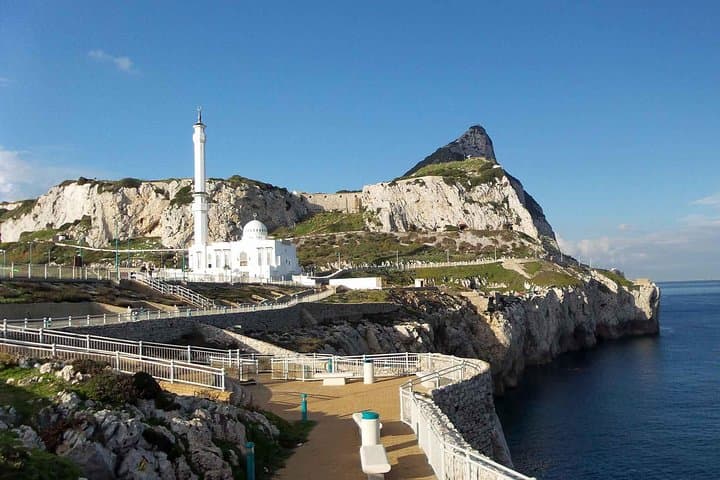
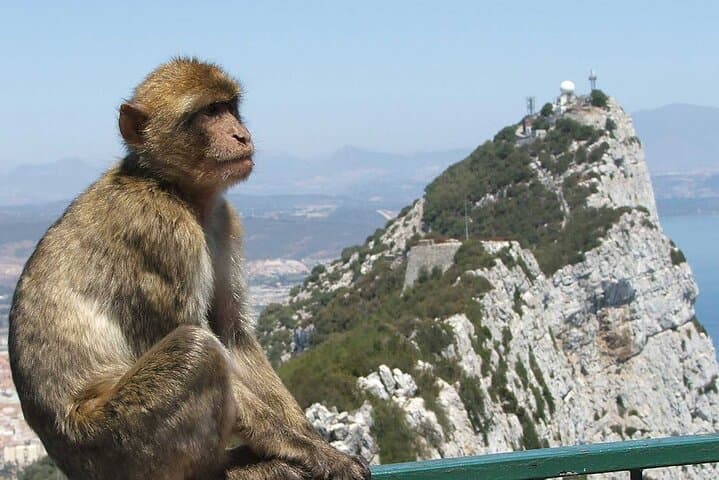
A diesel coach threads the Costa del Sol coastline before the Rock of Gibraltar rises ahead — a vertical spine of pale limestone catching sunlight over the Mediterranean. Arrival feels deliberate: the town’s compact streets, the lurch of border checks, and the Rock itself offering sheer, raw geology that has shaped centuries of trade and conflict.
A diesel coach threads the Costa del Sol coastline before the Rock of Gibraltar rises ahead — a vertical spine of pale limestone catching sunlight over the Mediterranean. Arrival feels deliberate: the town’s compact streets, the lurch of border checks, and the Rock itself offering sheer, raw geology that has shaped centuries of trade and conflict.
Gibraltar sits at the Strait of Gibraltar, where Europeans first called the two promontories the Pillars of Hercules. The Rock’s limestone formed in ancient shallow seas and later uplifted, producing caves such as St Michael’s, a vaulted chamber long used for shelter and, more recently, as a dramatic performance space. Culturally, modern Gibraltar blends British administration with Andalusian proximity — Main Street’s tax-free shops and bilingual signage reflect that hybrid identity. Semi-wild Barbary macaques are as emblematic as the cannons and batteries that recall the fortress history dating to the Treaty of Utrecht (1713).
Practicalities shape the day: expect roughly 11 hours including coach transfers, guided stops on the Rock, a timed entry to St Michael’s Cave, and free time on Main Street. The tour handles transport and cave admission, but travelers must carry passports and any required visas. Wear sturdy walking shoes for uneven pavements and short uphill stretches; bring sun protection and a small daypack for water and purchases. The route is accessible to most fitness levels but includes steps and some steep viewpoints. Keep a respectful distance from the macaques, follow guide instructions, and allow extra time at the border for queues. For a single-day snapshot of Gibraltar’s geology, history, and lively high-street culture, this guided option is efficient and informative — a practical way to step onto the Rock and back again in one day.