THE ADVENTURE COLLECTIVE® · Independent discovery and booking for outdoor travel

Turn a short drive from Queenstown into a narrative-rich tasting trail through Gibbston Valley. This self-guided audio tour links six cellar doors, blending winemaking stories, Māori heritage, and practical driving guidance for a 2–6 hour exploration.
Turn a short drive from Queenstown into a narrative-rich tasting trail through Gibbston Valley. This self-guided audio tour links six cellar doors, blending winemaking stories, Māori heritage, and practical driving guidance for a 2–6 hour exploration.
You pull out of Queenstown as the road drops toward the Kawarau River, windows down, an audio voice on your phone marking the turn into a valley where vines march up sun-baked slopes. The guide pings as you pass a stone-lined cellar door; a winemaker’s voice fills the car with the origin story of a single Pinot Noir while the river below dares you to look away.
Verified experiences and guided adventures in the surrounding area.
Operated by Taste Wine Guides - Amador County · Queenstown, Otago
You pull out of Queenstown as the road drops toward the Kawarau River, windows down, an audio voice on your phone marking the turn into a valley where vines march up sun-baked slopes. The guide pings as you pass a stone-lined cellar door; a winemaker’s voice fills the car with the origin story of a single Pinot Noir while the river below dares you to look away.
Gibbston sits in Central Otago’s glaciated basin—schist bedrock, thin soils and a cold, dry climate that sharpen Pinot fruit. European gold rushes of the 1860s opened tracks that later became vineyard access roads; Māori place names and seasonal stories woven into the audio remind you this landscape has long human ties.
Expect sealed country roads with short gravel driveways into cellar doors. The route in the audio itinerary links six stops — Chard Farm, Rockburn, Cox’s, Brennan, Mt Rosa and Kinross — over roughly 20–35 km depending on detours, with vineyard elevations typically between 200–400 m above sea level. Tastings are intimate: boutique producers, refurbished woolsheds and river-view lawns.
Practical edge: plan 2–6 hours, stagger tastings, hydrate, and use the downloaded offline audio to avoid spotty mobile coverage. Parking is available at most cellar doors, but some driveways are narrow and require slow approach. If you’re sampling, rotate drivers or use one designated sober driver; wineries welcome questions about sustainable practices and pairing suggestions. This is a road trip shaped by terroir — drive thoughtfully, taste deliberately, and let the audio guide connect the stories in the glass to the hills outside your window.
easy.
2–6 hours.
Minimal fitness required; you’ll be driving and walking short distances at cellar doors
The tour is designed to be 2–6 hours depending on how long you linger at each cellar door and how many stops you choose to visit.
Some boutique cellar doors recommend or require bookings for groups; check each winery’s policy in the audio guide or call ahead for peak times.
Coverage is generally good on major carriers but can be patchy in the valley; downloading the audio for offline use is advised.
You can, but pace yourself—consider spitting or rotating a sober driver to stay within legal and safe limits.
Gibbston’s modern vineyards sit on routes forged during the 1860s gold rush; modern viticulture took off in the late 20th century with a focus on cool-climate Pinot Noir.
Many producers practice low-intervention viticulture and soil conservation; visitors should stick to marked areas, avoid glass litter, and support wineries with sustainable certifications.
Taste Wine Guides - Amador County operates guided outdoor trips and adventures with an emphasis on safety, stewardship, and memorable experiences.

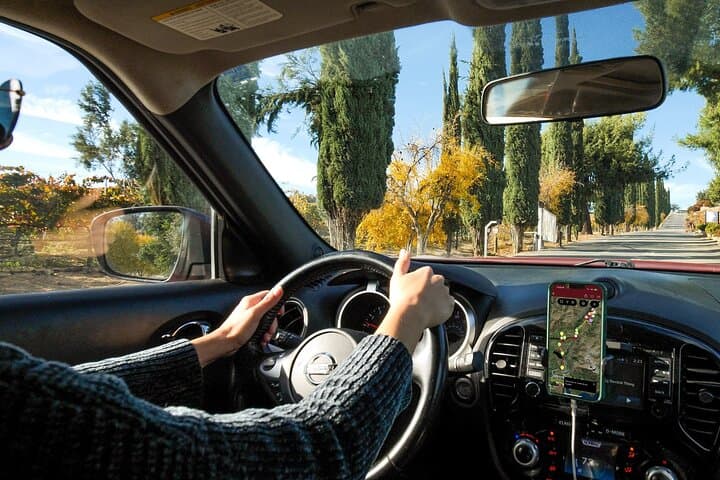
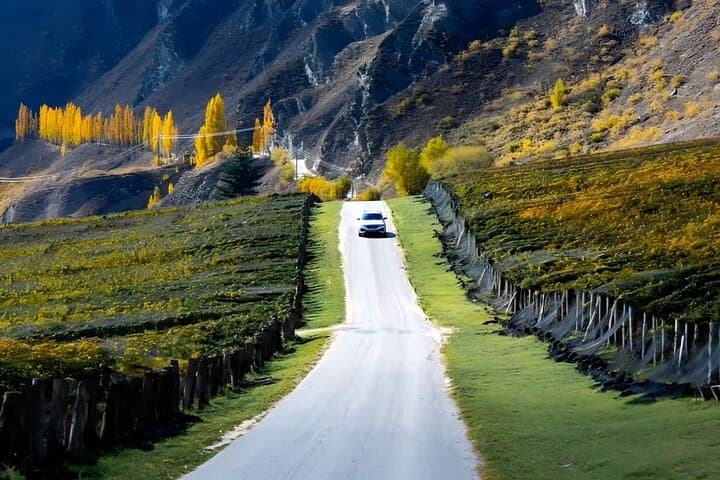

You pull out of Queenstown as the road drops toward the Kawarau River, windows down, an audio voice on your phone marking the turn into a valley where vines march up sun-baked slopes. The guide pings as you pass a stone-lined cellar door; a winemaker’s voice fills the car with the origin story of a single Pinot Noir while the river below dares you to look away.
You pull out of Queenstown as the road drops toward the Kawarau River, windows down, an audio voice on your phone marking the turn into a valley where vines march up sun-baked slopes. The guide pings as you pass a stone-lined cellar door; a winemaker’s voice fills the car with the origin story of a single Pinot Noir while the river below dares you to look away.
Gibbston sits in Central Otago’s glaciated basin—schist bedrock, thin soils and a cold, dry climate that sharpen Pinot fruit. European gold rushes of the 1860s opened tracks that later became vineyard access roads; Māori place names and seasonal stories woven into the audio remind you this landscape has long human ties.
Expect sealed country roads with short gravel driveways into cellar doors. The route in the audio itinerary links six stops — Chard Farm, Rockburn, Cox’s, Brennan, Mt Rosa and Kinross — over roughly 20–35 km depending on detours, with vineyard elevations typically between 200–400 m above sea level. Tastings are intimate: boutique producers, refurbished woolsheds and river-view lawns.
Practical edge: plan 2–6 hours, stagger tastings, hydrate, and use the downloaded offline audio to avoid spotty mobile coverage. Parking is available at most cellar doors, but some driveways are narrow and require slow approach. If you’re sampling, rotate drivers or use one designated sober driver; wineries welcome questions about sustainable practices and pairing suggestions. This is a road trip shaped by terroir — drive thoughtfully, taste deliberately, and let the audio guide connect the stories in the glass to the hills outside your window.