THE ADVENTURE COLLECTIVE® · Independent discovery and booking for outdoor travel

A focused one-stop transfer from Belfast takes you straight to the Giant’s Causeway for a compact, high-impact visit. Expect dramatic basalt columns, coastal views, and practical guidance for a quick but memorable stop.
A focused one-stop transfer from Belfast takes you straight to the Giant’s Causeway for a compact, high-impact visit. Expect dramatic basalt columns, coastal views, and practical guidance for a quick but memorable stop.
You step from the minibus and the Atlantic air hits like a promise: bracing, salty, and insistently alive. The Giant’s Causeway spills out beneath your feet—rows of dark hexagonal columns falling toward the sea like a manmade staircase that nature keeps reclaiming. Waves push and peel at the outer stones, daring you to linger on the edges and listen.
Verified experiences and guided adventures in the surrounding area.
Operated by Traditional Taxi Tours Belfast · Bushmills, County Antrim
You step from the minibus and the Atlantic air hits like a promise: bracing, salty, and insistently alive. The Giant’s Causeway spills out beneath your feet—rows of dark hexagonal columns falling toward the sea like a manmade staircase that nature keeps reclaiming. Waves push and peel at the outer stones, daring you to linger on the edges and listen.
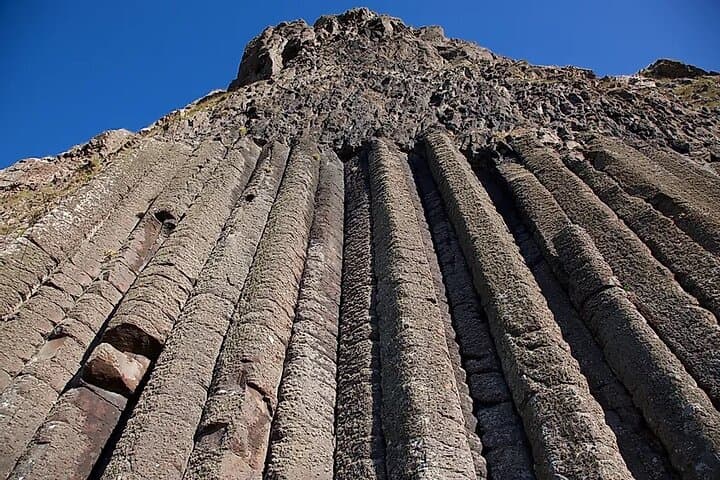
Geology here is straightforward and dramatic. About 60 million years ago, volcanic lava cooled and contracted into the regular basalt columns you see today; the result is classic columnar jointing that runs like a fingerprint along the shore. Culturally, the place layers natural history with folklore — the myth of Fionn mac Cumhaill giving locals a story-frame for an already spectacular landscape.
On a short, one-stop tour from Belfast you'll get the essentials: a guided transfer, a focused hour to walk the main causeway, and time to stand on the clifftop viewpoint. The National Trust visitor centre manages access and interpretation so that heavy foot traffic doesn’t erode the fragile turf.
Practical notes: wear sturdy, grippy footwear—wet basalt is slippery—and expect rapidly changing weather; bring a waterproof shell and layers. Plan for tides and timing: early mornings or late afternoons ease crowds and give better light for photos. Respect signed paths and the visitor centre’s guidance to protect nesting birds and fragile flora. Even on a brief stop, the Causeway rewards attention: read the rocks, hear the surf, and leave the place as you found it.
easy.
1–4 hours.
Suitable for most fitness levels; expect short walks on uneven surfaces and some steps.
Most one-stop tours allot around 60 minutes at the site, though total trip length including transfer from Belfast is typically 1–4 hours depending on routing.
The visitor centre and main viewpoints are accessible, but the lower basalt causeway is uneven and can be wet—strollers and wheelchairs may be limited to paths near the visitor centre.
The National Trust manages site access; some tours include access while others require separate admission—check your operator’s details before travel.
Late spring through early autumn offers milder conditions and longer daylight, but shoulder seasons give fewer crowds; always prepare for wind and rain year-round.
The Causeway’s hexagonal basalt columns formed from Paleocene lava flows around 60 million years ago and have been woven into Irish folklore, notably the Fionn mac Cumhaill legends.
The site is a UNESCO World Heritage site and National Trust property—stay on paths, follow signage, and use the visitor centre to limit erosion and disturbance to nesting seabirds.
Traditional Taxi Tours Belfast operates guided outdoor trips and adventures with an emphasis on safety, stewardship, and memorable experiences.
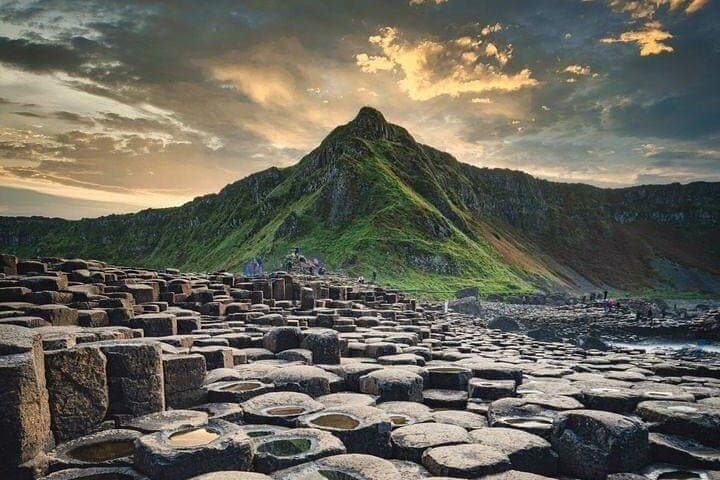
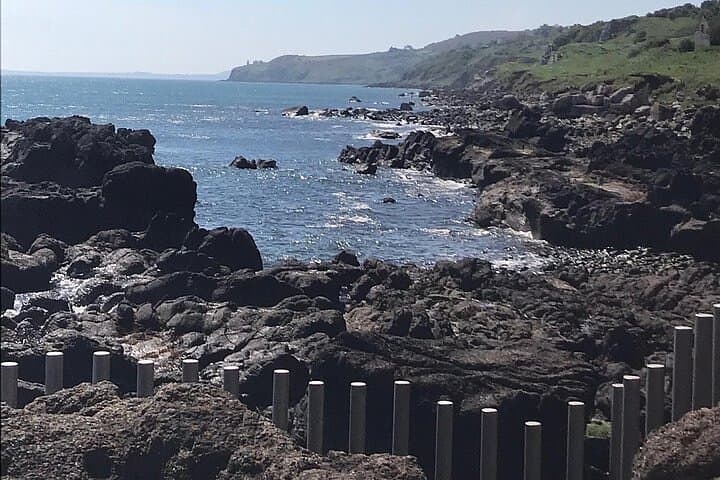
You step from the minibus and the Atlantic air hits like a promise: bracing, salty, and insistently alive. The Giant’s Causeway spills out beneath your feet—rows of dark hexagonal columns falling toward the sea like a manmade staircase that nature keeps reclaiming. Waves push and peel at the outer stones, daring you to linger on the edges and listen.
You step from the minibus and the Atlantic air hits like a promise: bracing, salty, and insistently alive. The Giant’s Causeway spills out beneath your feet—rows of dark hexagonal columns falling toward the sea like a manmade staircase that nature keeps reclaiming. Waves push and peel at the outer stones, daring you to linger on the edges and listen.
Geology here is straightforward and dramatic. About 60 million years ago, volcanic lava cooled and contracted into the regular basalt columns you see today; the result is classic columnar jointing that runs like a fingerprint along the shore. Culturally, the place layers natural history with folklore — the myth of Fionn mac Cumhaill giving locals a story-frame for an already spectacular landscape.
On a short, one-stop tour from Belfast you'll get the essentials: a guided transfer, a focused hour to walk the main causeway, and time to stand on the clifftop viewpoint. The National Trust visitor centre manages access and interpretation so that heavy foot traffic doesn’t erode the fragile turf.
Practical notes: wear sturdy, grippy footwear—wet basalt is slippery—and expect rapidly changing weather; bring a waterproof shell and layers. Plan for tides and timing: early mornings or late afternoons ease crowds and give better light for photos. Respect signed paths and the visitor centre’s guidance to protect nesting birds and fragile flora. Even on a brief stop, the Causeway rewards attention: read the rocks, hear the surf, and leave the place as you found it.