THE ADVENTURE COLLECTIVE® · Independent discovery and booking for outdoor travel

A full-day private tour from Dublin delivers the Giant’s Causeway, Dunluce Castle, Carrick-a-Rede and coastal highlights in one curated itinerary. Expect dramatic geology, windswept viewpoints, and practical guidance for a long day on the road and along exposed headlands.
A full-day private tour from Dublin delivers the Giant’s Causeway, Dunluce Castle, Carrick-a-Rede and coastal highlights in one curated itinerary. Expect dramatic geology, windswept viewpoints, and practical guidance for a long day on the road and along exposed headlands.
You step off an air-conditioned minivan and the Atlantic wind meets you like a dare — sharp, salty, and honest. The Giant’s Causeway unfolds in basalt geometry under a restless sky: flat-topped columns stepping toward the sea, gulls arguing overhead, and the coastline folding into cliffs that have held stories for millennia.
Verified experiences and guided adventures in the surrounding area.
Operated by Wild Willow Tours · Bushmills, County Antrim
You step off an air-conditioned minivan and the Atlantic wind meets you like a dare — sharp, salty, and honest. The Giant’s Causeway unfolds in basalt geometry under a restless sky: flat-topped columns stepping toward the sea, gulls arguing overhead, and the coastline folding into cliffs that have held stories for millennia.
This stretch of North Antrim is geological theater. Sixteen million years ago, volcanic lava cooled into the hexagonal columns you walk on today; later, legend filled the cracks — Finn McCool’s stepping stones remain the island’s favorite myth. Nearby Dunluce Castle perches on a crag, its ruins mapping medieval power plays and coastal trade, while Carrick-a-Rede’s rope bridge speaks to the region’s fishing heritage and the courage of those who once tied boats to the rocks.
Expect tidy visitor facilities at the Causeway, short interpretive walks, and photo-worthy viewpoints — but also narrow paths and exposed headlands where wind is a constant companion. Practical planning pays: wear waterproof layers and sturdy shoes; time your visit early or late to avoid coach crowds; and bring cash or card for the Causeway Centre and short refreshment stops.
Guides on private tours tailor pacing: longer stops at Ballintoy Harbour or a quick Dunluce photo; a walk across Carrick-a-Rede if you want the adrenaline. The route is road-heavy (Dublin return included), so carry snacks, a charged phone, and expect a full 10–11 hour day. The causeway’s basalt columns won’t rush you — but the weather might, so move with intention and respect the coast.
easy.
10–11 hours.
Suitable for most fitness levels; expect short walks and standing on uneven terrain, plus a long day seated during transfers.
The full-day private tour lasts about 10–11 hours round-trip, including driving time and stops at attractions.
Yes — the itinerary includes a stop at Carrick-a-Rede; bridge crossing may require an additional local ticket and depends on weather and visitor preference.
Yes — the provider notes prams and infant seats are available and the tour is suitable for all fitness levels, though some sites have uneven terrain.
Some stops like the Giant’s Causeway Visitor Centre may have admission fees not always included; check the booking details or ask your guide for specifics.
The Antrim coast has roots in Bronze Age settlement, medieval lordships (Dunluce), and a fishing economy that shaped island-crossing traditions like the Carrick-a-Rede bridge.
The Giant’s Causeway is a UNESCO World Heritage Site managed to balance public access with erosion control and habitat protection; stick to marked paths and take litter home.
Wild Willow Tours operates guided outdoor trips and adventures with an emphasis on safety, stewardship, and memorable experiences.
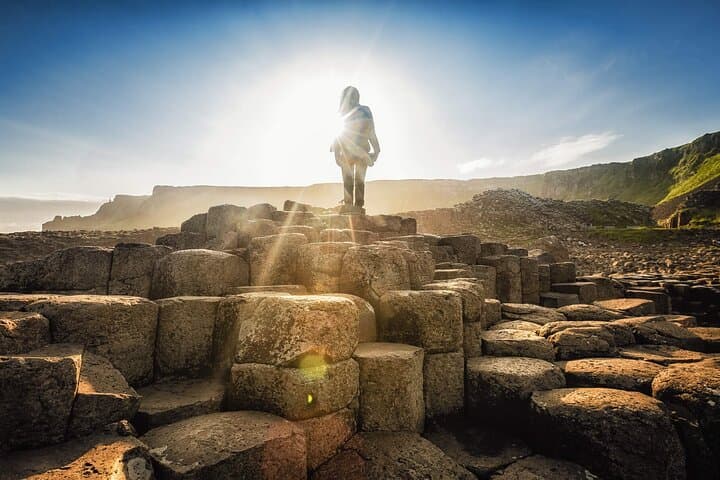
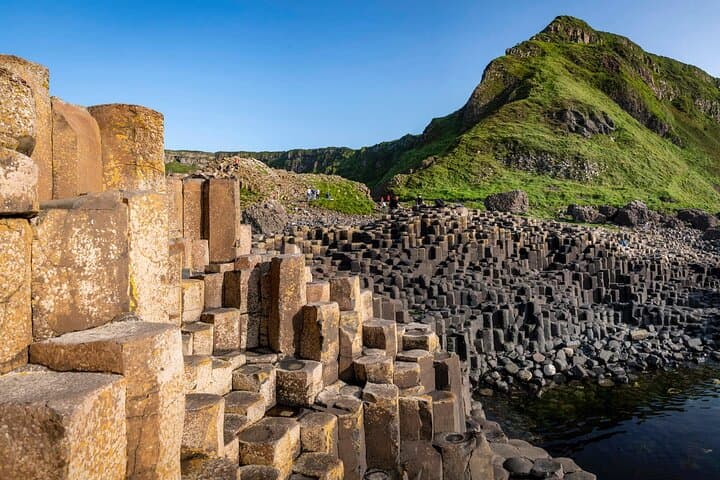
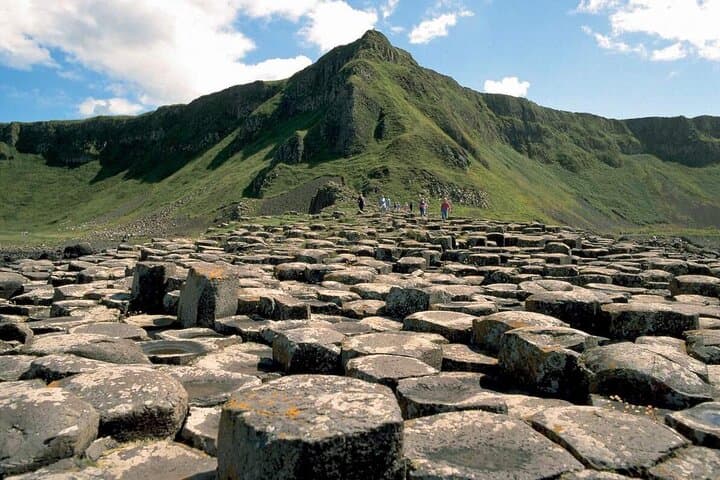
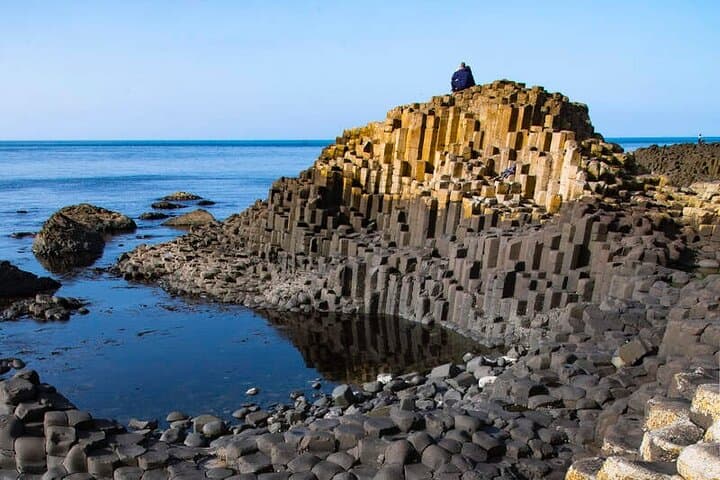
You step off an air-conditioned minivan and the Atlantic wind meets you like a dare — sharp, salty, and honest. The Giant’s Causeway unfolds in basalt geometry under a restless sky: flat-topped columns stepping toward the sea, gulls arguing overhead, and the coastline folding into cliffs that have held stories for millennia.
You step off an air-conditioned minivan and the Atlantic wind meets you like a dare — sharp, salty, and honest. The Giant’s Causeway unfolds in basalt geometry under a restless sky: flat-topped columns stepping toward the sea, gulls arguing overhead, and the coastline folding into cliffs that have held stories for millennia.
This stretch of North Antrim is geological theater. Sixteen million years ago, volcanic lava cooled into the hexagonal columns you walk on today; later, legend filled the cracks — Finn McCool’s stepping stones remain the island’s favorite myth. Nearby Dunluce Castle perches on a crag, its ruins mapping medieval power plays and coastal trade, while Carrick-a-Rede’s rope bridge speaks to the region’s fishing heritage and the courage of those who once tied boats to the rocks.
Expect tidy visitor facilities at the Causeway, short interpretive walks, and photo-worthy viewpoints — but also narrow paths and exposed headlands where wind is a constant companion. Practical planning pays: wear waterproof layers and sturdy shoes; time your visit early or late to avoid coach crowds; and bring cash or card for the Causeway Centre and short refreshment stops.
Guides on private tours tailor pacing: longer stops at Ballintoy Harbour or a quick Dunluce photo; a walk across Carrick-a-Rede if you want the adrenaline. The route is road-heavy (Dublin return included), so carry snacks, a charged phone, and expect a full 10–11 hour day. The causeway’s basalt columns won’t rush you — but the weather might, so move with intention and respect the coast.