THE ADVENTURE COLLECTIVE® · Independent discovery and booking for outdoor travel

Travel the Antrim Coast in a single day from Belfast Cruise Terminal: walk beneath the Dark Hedges, cross the Carrick-a-Rede rope bridge, explore Dunluce Castle and stand on the basalt columns of the Giant's Causeway. This guided loop pairs geology, history and compact coastal scenery.
Travel the Antrim Coast in a single day from Belfast Cruise Terminal: walk beneath the Dark Hedges, cross the Carrick-a-Rede rope bridge, explore Dunluce Castle and stand on the basalt columns of the Giant's Causeway. This guided loop pairs geology, history and compact coastal scenery.
A salt wind meets your face as the minibus leaves the ship-lined quays of Belfast and heads north along the Antrim Coast. Within an hour the landscape changes from red-brick city to high cliffs, glassy bays and single-lane roads that thread past stone farmhouses. You step out at the Dark Hedges first, where a cathedral-like avenue of beech trees folds overhead and photographers jockey for the light.
Verified experiences and guided adventures in the surrounding area.
Operated by top class travel belfast · Bushmills, County Antrim
A salt wind meets your face as the minibus leaves the ship-lined quays of Belfast and heads north along the Antrim Coast. Within an hour the landscape changes from red-brick city to high cliffs, glassy bays and single-lane roads that thread past stone farmhouses. You step out at the Dark Hedges first, where a cathedral-like avenue of beech trees folds overhead and photographers jockey for the light.
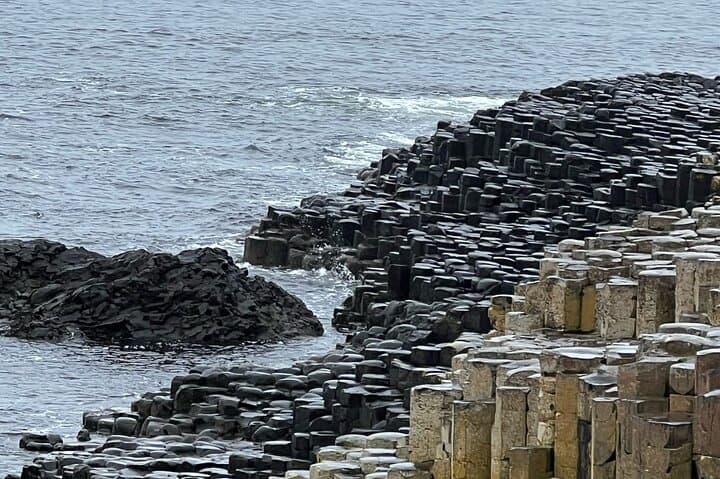
This route reads like a compact history: Belfast’s Peace Walls and murals speak to the Troubles and recent reconciliation; Dunluce Castle perches, half-ruined, on basalt cliffs where medieval sea raids and merchant fortunes shaped local lore; and the Giant’s Causeway itself is a physical ledger of geology — hexagonal basalt columns formed by ancient volcanic cooling 60 million years ago, now UNESCO-protected.
Expect easy-to-moderate walking: the Causeway exploration loop is roughly 1–2 km across uneven, often wet columns with low shelters and a visitor centre; Carrick-a-Rede involves a short cliff path and a 30 m-high rope bridge that tests balance and nerves. Culture surfaces in small ways — a Bushmills whiskey tasting (optional) and the cadence of ulster accents at tearooms.
Practical guidance: wear grippy footwear and a waterproof layer, check tide and wind before the rope bridge, and allow the full eight hours to absorb the sites without rushing. Morning departures reduce coach and cruise traffic at the Causeway; bring a small daypack, local change for parking or toilets, and time to savour the coastal views.
moderate.
8 hours.
Light-to-moderate fitness; must be able to walk 1–3 km on uneven terrain and manage short stair sections.
The round-trip itinerary is about eight hours total; driving time to the Giant's Causeway from Belfast is roughly 1 hour 45 minutes each way with scheduled stops en route.
The tour stops at Carrick-a-Rede; access to the rope bridge may be subject to National Trust opening times and weather, and any entrance fees or closures are determined on site.
Yes—this tour departs from Belfast Cruise Terminal and is designed to accommodate cruise arrival schedules; confirm your pickup time during booking.
Walks are short to moderate: the Dark Hedges is a short stroll, Dunluce has uneven cliff paths, and the Causeway involves 1–2 km across irregular basalt—no technical climbs required.
The Causeway and surrounding ruins reflect a blend of myth and industry: medieval clan histories and later coastal trade shaped settlements like Bushmills and Dunluce, while Belfast’s murals record 20th-century political history.
The Giant's Causeway is a UNESCO World Heritage Site managed to protect fragile rock formations and nesting seabirds; stay on marked paths and avoid removing stones to minimize impact.
top class travel belfast operates guided outdoor trips and adventures with an emphasis on safety, stewardship, and memorable experiences.

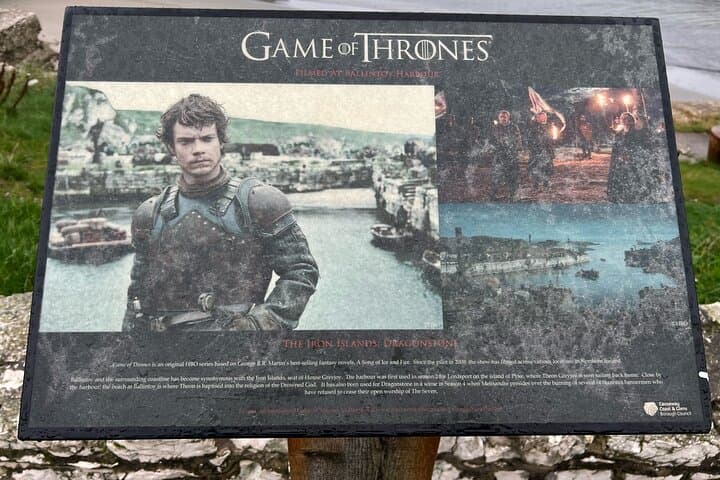
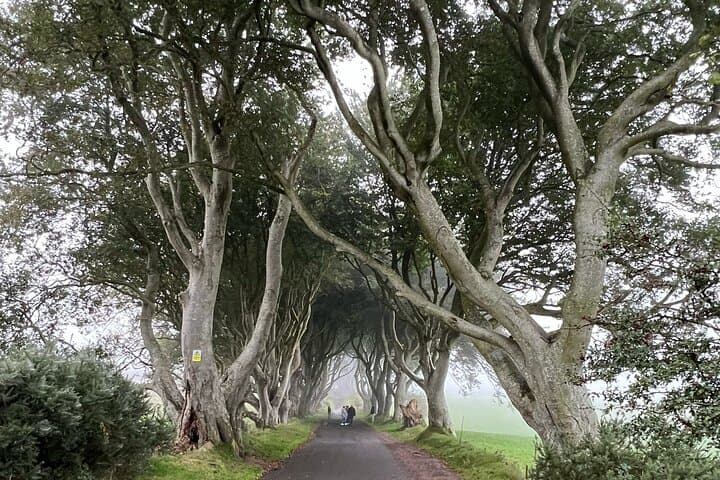
A salt wind meets your face as the minibus leaves the ship-lined quays of Belfast and heads north along the Antrim Coast. Within an hour the landscape changes from red-brick city to high cliffs, glassy bays and single-lane roads that thread past stone farmhouses. You step out at the Dark Hedges first, where a cathedral-like avenue of beech trees folds overhead and photographers jockey for the light.
A salt wind meets your face as the minibus leaves the ship-lined quays of Belfast and heads north along the Antrim Coast. Within an hour the landscape changes from red-brick city to high cliffs, glassy bays and single-lane roads that thread past stone farmhouses. You step out at the Dark Hedges first, where a cathedral-like avenue of beech trees folds overhead and photographers jockey for the light.
This route reads like a compact history: Belfast’s Peace Walls and murals speak to the Troubles and recent reconciliation; Dunluce Castle perches, half-ruined, on basalt cliffs where medieval sea raids and merchant fortunes shaped local lore; and the Giant’s Causeway itself is a physical ledger of geology — hexagonal basalt columns formed by ancient volcanic cooling 60 million years ago, now UNESCO-protected.
Expect easy-to-moderate walking: the Causeway exploration loop is roughly 1–2 km across uneven, often wet columns with low shelters and a visitor centre; Carrick-a-Rede involves a short cliff path and a 30 m-high rope bridge that tests balance and nerves. Culture surfaces in small ways — a Bushmills whiskey tasting (optional) and the cadence of ulster accents at tearooms.
Practical guidance: wear grippy footwear and a waterproof layer, check tide and wind before the rope bridge, and allow the full eight hours to absorb the sites without rushing. Morning departures reduce coach and cruise traffic at the Causeway; bring a small daypack, local change for parking or toilets, and time to savour the coastal views.