THE ADVENTURE COLLECTIVE® · Independent discovery and booking for outdoor travel

Spend a full day tracing Northern Ireland’s dramatic Causeway Coast: hexagonal basalt columns at Giant’s Causeway, the Carrick-a-Rede viewing point, Dunluce Castle ruins and the Dark Hedges. This coach tour packs the region’s top stops into a single, full-day itinerary from Belfast.
Spend a full day tracing Northern Ireland’s dramatic Causeway Coast: hexagonal basalt columns at Giant’s Causeway, the Carrick-a-Rede viewing point, Dunluce Castle ruins and the Dark Hedges. This coach tour packs the region’s top stops into a single, full-day itinerary from Belfast.
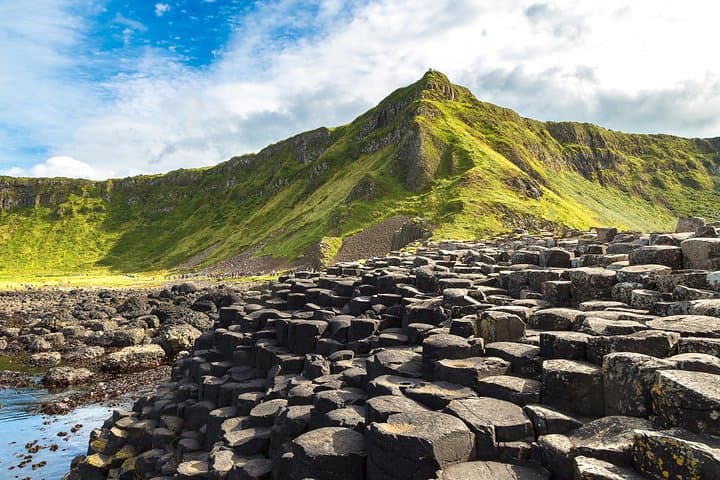
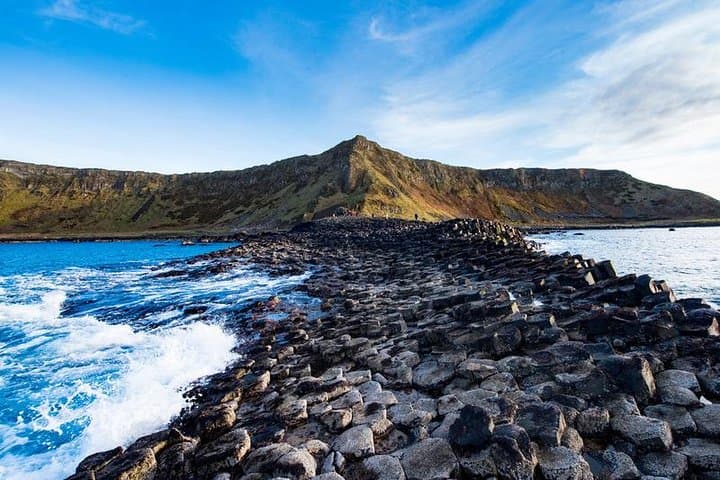
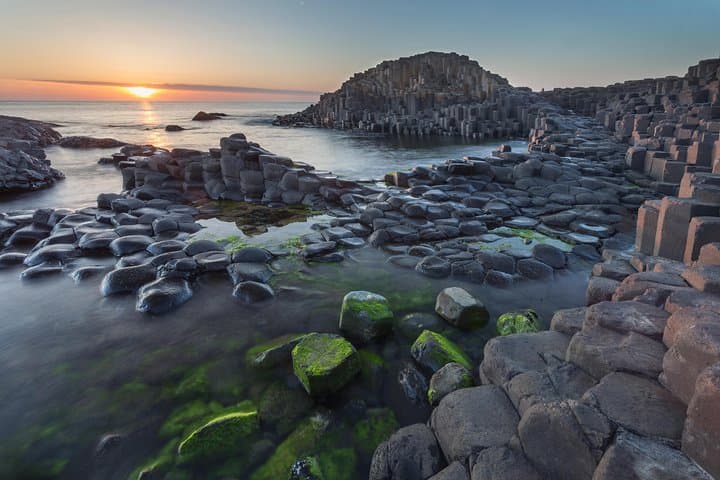
You step off the coach to the hiss of Atlantic spray and a horizon cut by hexagonal columns: the Giant’s Causeway presses its geometric shoulders against the sea, each basalt block like a step left by some enormous creature. The wind nudges you along the cliff path as the guide points to ruined Dunluce Castle, its silhouette clinging to a cliff edge, and you can hear the coastline answering back.
Verified experiences and guided adventures in the surrounding area.
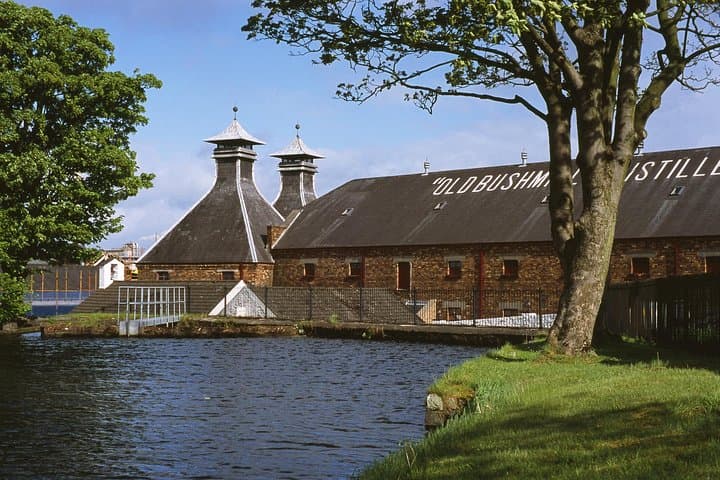
Operated by McComb's Coach Travel Ltd · Bushmills, County Antrim
You step off the coach to the hiss of Atlantic spray and a horizon cut by hexagonal columns: the Giant’s Causeway presses its geometric shoulders against the sea, each basalt block like a step left by some enormous creature. The wind nudges you along the cliff path as the guide points to ruined Dunluce Castle, its silhouette clinging to a cliff edge, and you can hear the coastline answering back.
Geology here is the headline — a 60-million-year-old lava flow cooled into tens of thousands of polygonal columns — but human stories ride alongside. Folklore credits the giant Finn McCool for the causeway while historic sites like Carrickfergus and Dunluce trace Norse, Gaelic and later Anglo-Scottish chapters of Ulster’s past. The nearby Dark Hedges avenue and Cushendun caves add cinematic drama; Game of Thrones fans will recognize these spots, but the landscape holds quieter rewards for those paying attention.
On a full-day coach tour from Belfast you’ll move efficiently: short photo stops at castles and harbors, a comfort stop in picturesque villages, a lunch break at Ballintoy, and a two-hour window at the Causeway itself. Expect uneven coastal paths, exposed cliffs and variable weather — the elements shape the day.
Practical edge: wear grippy shoes, bring a waterproof shell and a daypack, and plan for a 9–10 hour day with multiple short walks rather than long hikes. National Trust runs the visitor centre (admission separate); follow signed routes, give nesting birds space and you'll leave with pictures, stories and a real sense of why this coastline feels charged with both geology and legend.
moderate.
9–10 hours.
Suitable for most fitness levels but requires repeated short walks on uneven coastal terrain; able-bodied mobility recommended.
Visiting the stones themselves is free, but National Trust charges for the Visitor Centre and its exhibitions; that fee is generally not included in coach tour prices.
The full-day tour runs about 9–10 hours, typically departing Belfast around 8:30am and returning around 6:00pm depending on traffic.
Itineraries usually include a viewing stop at Carrick-a-Rede; crossing the bridge requires a separate ticket, and access depends on tides, weather and timing, so it may not be possible on every tour.
Yes — the tour is stroller-accessible for short walks and infants can sit on laps, but parents should note cliff edges, busy sites and variable weather.
The Causeway Coast records volcanic activity from the Paleogene period and centuries of human settlement; local folklore about the giant Finn McCool sits alongside archaeological and medieval sites.
Many sites are managed by the National Trust and local authorities; stick to paths, avoid climbing the delicate columns and follow seasonal restrictions to protect nesting birds.
McComb's Coach Travel Ltd operates guided outdoor trips and adventures with an emphasis on safety, stewardship, and memorable experiences.
You step off the coach to the hiss of Atlantic spray and a horizon cut by hexagonal columns: the Giant’s Causeway presses its geometric shoulders against the sea, each basalt block like a step left by some enormous creature. The wind nudges you along the cliff path as the guide points to ruined Dunluce Castle, its silhouette clinging to a cliff edge, and you can hear the coastline answering back.
You step off the coach to the hiss of Atlantic spray and a horizon cut by hexagonal columns: the Giant’s Causeway presses its geometric shoulders against the sea, each basalt block like a step left by some enormous creature. The wind nudges you along the cliff path as the guide points to ruined Dunluce Castle, its silhouette clinging to a cliff edge, and you can hear the coastline answering back.
Geology here is the headline — a 60-million-year-old lava flow cooled into tens of thousands of polygonal columns — but human stories ride alongside. Folklore credits the giant Finn McCool for the causeway while historic sites like Carrickfergus and Dunluce trace Norse, Gaelic and later Anglo-Scottish chapters of Ulster’s past. The nearby Dark Hedges avenue and Cushendun caves add cinematic drama; Game of Thrones fans will recognize these spots, but the landscape holds quieter rewards for those paying attention.
On a full-day coach tour from Belfast you’ll move efficiently: short photo stops at castles and harbors, a comfort stop in picturesque villages, a lunch break at Ballintoy, and a two-hour window at the Causeway itself. Expect uneven coastal paths, exposed cliffs and variable weather — the elements shape the day.
Practical edge: wear grippy shoes, bring a waterproof shell and a daypack, and plan for a 9–10 hour day with multiple short walks rather than long hikes. National Trust runs the visitor centre (admission separate); follow signed routes, give nesting birds space and you'll leave with pictures, stories and a real sense of why this coastline feels charged with both geology and legend.