THE ADVENTURE COLLECTIVE® · Independent discovery and booking for outdoor travel

A full-day loop from Belfast that pairs the basalt pavements of the Giants Causeway with several Game of Thrones filming locations—from Ballintoy Harbour to Cushendun Caves. Expect dramatic coastlines, uneven terrain and quick, memorable stops.
A full-day loop from Belfast that pairs the basalt pavements of the Giants Causeway with several Game of Thrones filming locations—from Ballintoy Harbour to Cushendun Caves. Expect dramatic coastlines, uneven terrain and quick, memorable stops.
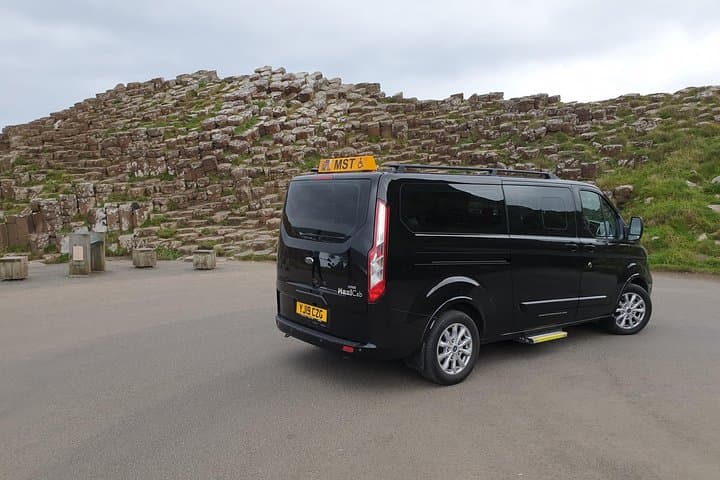
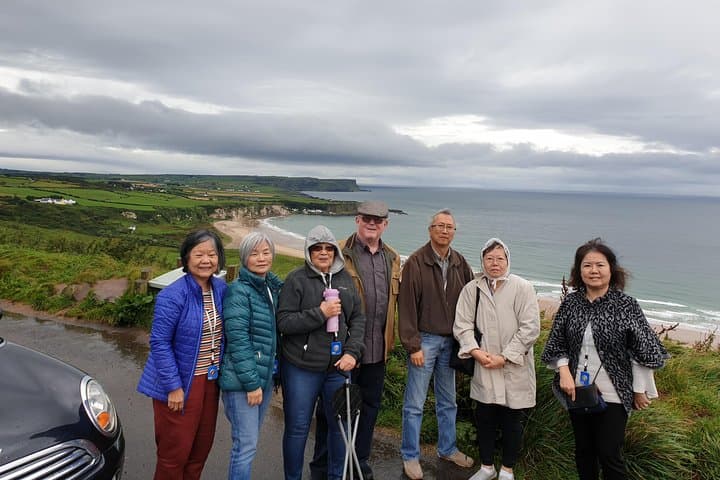
The road from Belfast opens into a coastal theater—black basalt columns stacking like a stone staircase to the sea, Atlantic spray daring you to step closer. On a clear morning the Causeway's geometric pavement glitters; on a wind-whipped afternoon the waves push and sculpt the cliffs, and the silence between gull calls feels deliberate.
Verified experiences and guided adventures in the surrounding area.
Operated by Micks tours Belfast shore excursion · Bushmills, County Antrim
The road from Belfast opens into a coastal theater—black basalt columns stacking like a stone staircase to the sea, Atlantic spray daring you to step closer. On a clear morning the Causeway's geometric pavement glitters; on a wind-whipped afternoon the waves push and sculpt the cliffs, and the silence between gull calls feels deliberate.
Geology and history are plain here: the Causeway's hexagonal pillars cooled from volcanic lava roughly 50–60 million years ago, a distinctive remnant of the Antrim Plateau's upheaval. The site sits on the Causeway Coast, a landscape of cliffed beaches, sea caves and ruined strongholds. Nearby Dunluce Castle perches on sudden rock—ruins that echo the medieval castles the TV series borrowed from. Filmmakers used Ballintoy Harbour, Cushendun Caves and stretches of the coast as on-screen stand-ins for the Iron Islands, the birth cave of a shadow, and Braavos' harbor views.
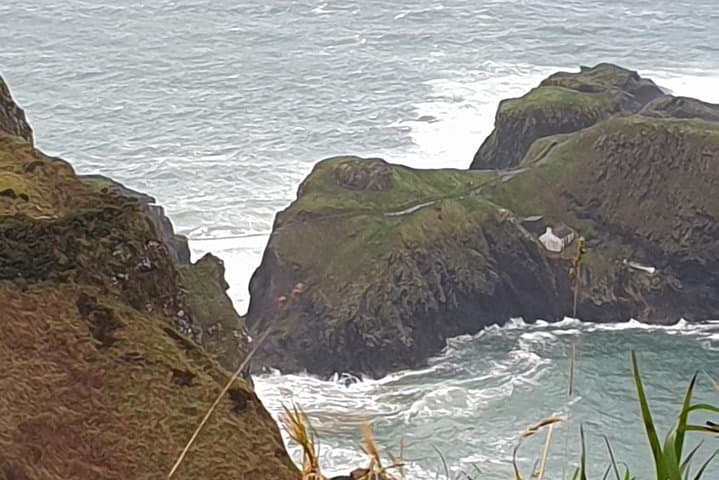
On a guided day trip from Belfast, travelers move between these set pieces: stepping onto the Causeway, crossing the rope bridge at Carrick-a-Rede when conditions allow, peering into Cushendun and circling ruined castles and harbors—each stop short, concentrated, but atmospheric.
Practical guidance: wear sturdy, waterproof footwear and windproof layers, and expect uneven rock underfoot at the Causeway. The rope bridge can be closed in high winds; check with the guide. Bring a reusable water bottle, and allow 6–8 hours for the full circuit from Belfast. Photography is rewarding but weather changes fast—pack a small dry bag for kit. Finally, follow marked paths and National Trust guidance to protect fragile geology and nesting seabirds.
moderate.
6–8 hours.
Moderate fitness for walking short uneven sections, some low-level scrambling on rocks, and standing at viewpoints.
Most departures run 6–8 hours round-trip from Belfast, depending on traffic and how long you spend at each stop.
Admission policies vary; the Causeway is managed locally and may have visitor center fees—check the tour details when booking.
Yes when it's open to the public, but it's weather-dependent and can have queue or weight limits; guides will advise on-site.
Common stops include Ballintoy Harbour (Iron Islands), Cushendun Caves (birth scene), Dunluce Castle ruins and coastal viewpoints used for Braavos and King's Landing shots.
The Causeway Coast bears traces of human settlement from medieval times; cliff-top ruins like Dunluce speak to maritime power and local clan history.
The area is protected through National Trust and UNESCO designations; staying on marked paths and avoiding climbing the columns helps preserve fragile geology and seabird nesting sites.
Micks tours Belfast shore excursion operates guided outdoor trips and adventures with an emphasis on safety, stewardship, and memorable experiences.
The road from Belfast opens into a coastal theater—black basalt columns stacking like a stone staircase to the sea, Atlantic spray daring you to step closer. On a clear morning the Causeway's geometric pavement glitters; on a wind-whipped afternoon the waves push and sculpt the cliffs, and the silence between gull calls feels deliberate.
The road from Belfast opens into a coastal theater—black basalt columns stacking like a stone staircase to the sea, Atlantic spray daring you to step closer. On a clear morning the Causeway's geometric pavement glitters; on a wind-whipped afternoon the waves push and sculpt the cliffs, and the silence between gull calls feels deliberate.
Geology and history are plain here: the Causeway's hexagonal pillars cooled from volcanic lava roughly 50–60 million years ago, a distinctive remnant of the Antrim Plateau's upheaval. The site sits on the Causeway Coast, a landscape of cliffed beaches, sea caves and ruined strongholds. Nearby Dunluce Castle perches on sudden rock—ruins that echo the medieval castles the TV series borrowed from. Filmmakers used Ballintoy Harbour, Cushendun Caves and stretches of the coast as on-screen stand-ins for the Iron Islands, the birth cave of a shadow, and Braavos' harbor views.
On a guided day trip from Belfast, travelers move between these set pieces: stepping onto the Causeway, crossing the rope bridge at Carrick-a-Rede when conditions allow, peering into Cushendun and circling ruined castles and harbors—each stop short, concentrated, but atmospheric.
Practical guidance: wear sturdy, waterproof footwear and windproof layers, and expect uneven rock underfoot at the Causeway. The rope bridge can be closed in high winds; check with the guide. Bring a reusable water bottle, and allow 6–8 hours for the full circuit from Belfast. Photography is rewarding but weather changes fast—pack a small dry bag for kit. Finally, follow marked paths and National Trust guidance to protect fragile geology and nesting seabirds.