THE ADVENTURE COLLECTIVE® · Independent discovery and booking for outdoor travel

Spend a day between Chengdu’s panda enclosures and the riverside grandeur of the Leshan Giant Buddha. This private tour mixes close-up wildlife viewing with cultural history and scenic river views—perfect for travelers who want a compact, well-paced taste of Sichuan.
Spend a day between Chengdu’s panda enclosures and the riverside grandeur of the Leshan Giant Buddha. This private tour mixes close-up wildlife viewing with cultural history and scenic river views—perfect for travelers who want a compact, well-paced taste of Sichuan.
Morning light pours over Chengdu as your driver threads the city’s quieter suburbs toward a grove of bamboo where pandas move with surprising deliberation—chewing, rolling, and occasionally sprinting into a clump of shade.
Verified experiences and guided adventures in the surrounding area.
Operated by China Exploration · Chengdu, Sichuan
Morning light pours over Chengdu as your driver threads the city’s quieter suburbs toward a grove of bamboo where pandas move with surprising deliberation—chewing, rolling, and occasionally sprinting into a clump of shade.
The day pairs two very different spectacles: the Chengdu Giant Panda Breeding Research Base, a living conservatory for China’s national icon, and the Leshan Giant Buddha, a 71-meter carved colossus that faces three rivers and seems to watch the water dare the shore.
History and geology arrive together here. The panda base is a modern conservation complex rooted in decades of captive-breeding science; Leshan’s Buddha was carved into red sandstone during the Tang dynasty to calm treacherous river currents, its terraces and stairways cut into layered strata worn by millennia of tributaries.
Culture is present in small gestures—a monk’s bell at Linyun Temple, local Sichuan flavors at lunch, and the pragmatic kindness of guides who read crowds and weather with equal skill.
Practically: start early to catch pandas at breakfast and cooler light at Leshan; expect two hours at each stop plus about four hours of driving round-trip. Wear comfortable shoes for stair climbs at the Buddha and bring a small daypack, water, and cash for the optional river cruise.
The itinerary is accessible for most fitness levels but involves stairs, uneven stone, and humid summers, so pace yourself. The reward is immediate: close encounters with playful pandas and a human-scale monument that reads like a cliffside companion to the rivers below.
easy.
8–10 hours.
Suitable for most travelers; involves short hikes and stair climbs—basic mobility and stair endurance recommended.
This private day trip runs about 8–10 hours and typically includes hotel pickup/drop-off, entrance fees to the panda base and Leshan Buddha, lunch, a private guide, and private transport.
You can observe pandas from viewing platforms and fenced yards; interactions are supervised—direct handling is not allowed, but close photographic opportunities are common.
No—the Buddha is visible from terraces and stairways, but the short cruise offers a dramatic perspective of the statue framed by the rivers and is optional for a small extra fee.
Children are welcome and the tour is rated easy, but it’s not recommended for pregnant travelers due to long travel time and stair climbs at Leshan.
China Exploration operates guided outdoor trips and adventures with an emphasis on safety, stewardship, and memorable experiences.


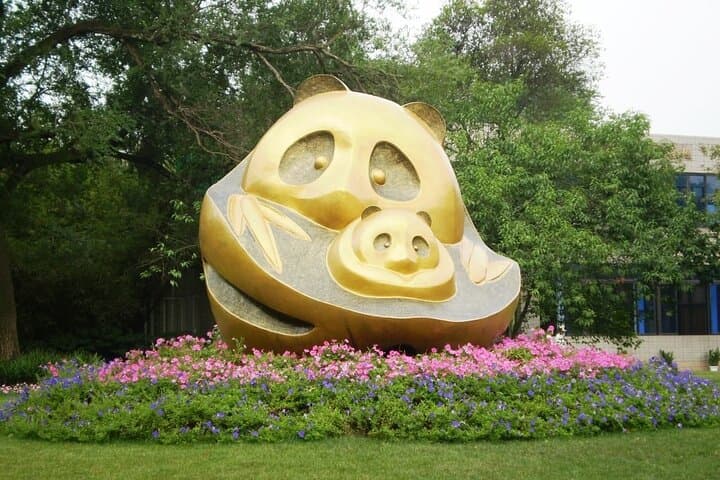
Morning light pours over Chengdu as your driver threads the city’s quieter suburbs toward a grove of bamboo where pandas move with surprising deliberation—chewing, rolling, and occasionally sprinting into a clump of shade.
Morning light pours over Chengdu as your driver threads the city’s quieter suburbs toward a grove of bamboo where pandas move with surprising deliberation—chewing, rolling, and occasionally sprinting into a clump of shade.
The day pairs two very different spectacles: the Chengdu Giant Panda Breeding Research Base, a living conservatory for China’s national icon, and the Leshan Giant Buddha, a 71-meter carved colossus that faces three rivers and seems to watch the water dare the shore.
History and geology arrive together here. The panda base is a modern conservation complex rooted in decades of captive-breeding science; Leshan’s Buddha was carved into red sandstone during the Tang dynasty to calm treacherous river currents, its terraces and stairways cut into layered strata worn by millennia of tributaries.
Culture is present in small gestures—a monk’s bell at Linyun Temple, local Sichuan flavors at lunch, and the pragmatic kindness of guides who read crowds and weather with equal skill.
Practically: start early to catch pandas at breakfast and cooler light at Leshan; expect two hours at each stop plus about four hours of driving round-trip. Wear comfortable shoes for stair climbs at the Buddha and bring a small daypack, water, and cash for the optional river cruise.
The itinerary is accessible for most fitness levels but involves stairs, uneven stone, and humid summers, so pace yourself. The reward is immediate: close encounters with playful pandas and a human-scale monument that reads like a cliffside companion to the rivers below.