THE ADVENTURE COLLECTIVE® · Independent discovery and booking for outdoor travel

A 90-minute night walking tour through Venice’s lesser-known squares and shadowed canals. Guided storytelling meets architectural insight—perfect for travelers who want history with a hint of the uncanny.
A 90-minute night walking tour through Venice’s lesser-known squares and shadowed canals. Guided storytelling meets architectural insight—perfect for travelers who want history with a hint of the uncanny.
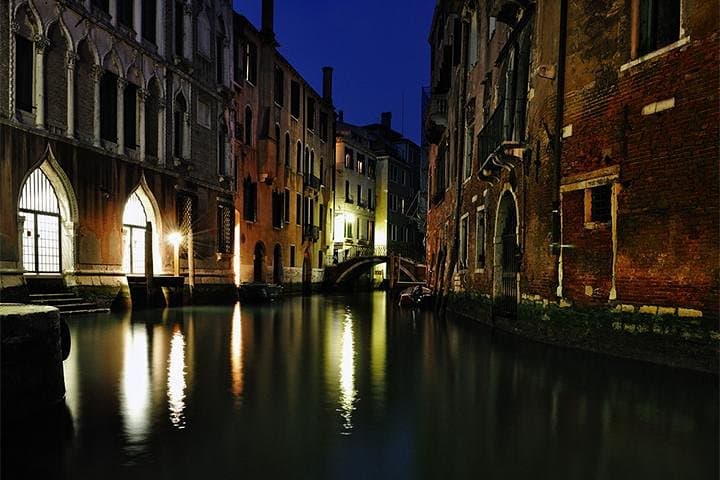
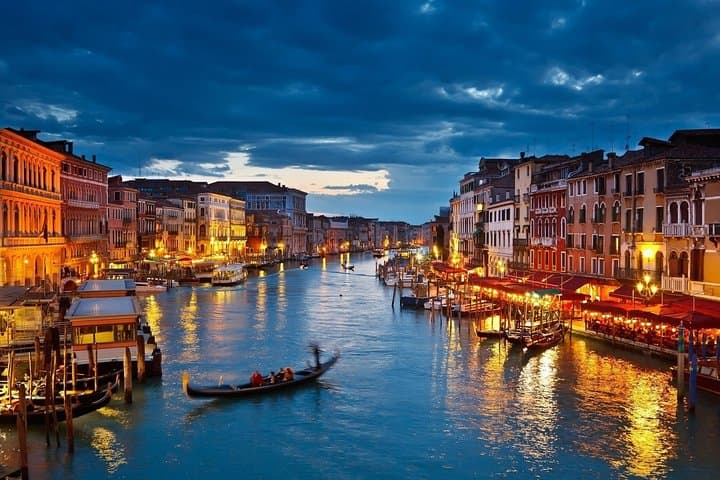
The canal water takes on a different character at night: slower, reflective, like a glassy record keeper that keeps the city’s secrets. On a ninety-minute walking tour that starts near San Marco Giardinetti, a guide escorts a small group beneath lamp-light and shadow, pointing out gates, plaques, and doorways that the daytime crowds simply pass.
Verified experiences and guided adventures in the surrounding area.
Operated by Bucintoro Viaggi · Venice, Veneto
The canal water takes on a different character at night: slower, reflective, like a glassy record keeper that keeps the city’s secrets. On a ninety-minute walking tour that starts near San Marco Giardinetti, a guide escorts a small group beneath lamp-light and shadow, pointing out gates, plaques, and doorways that the daytime crowds simply pass.
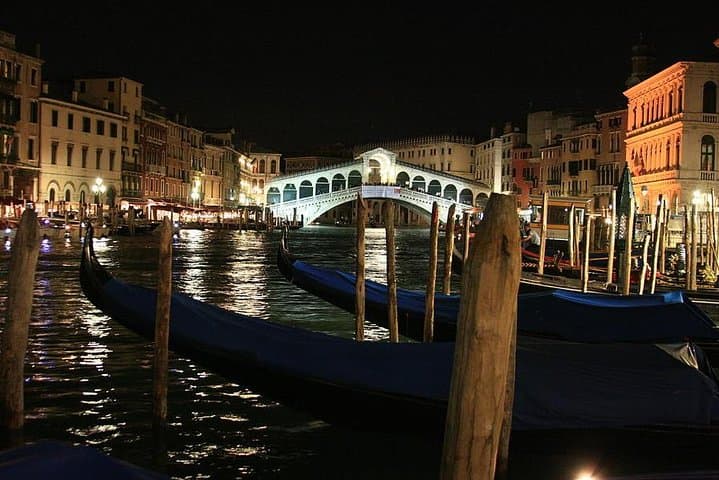
The first steps are ordinary—paved stone, a gondola stop, the distant silhouette of the clock tower—then the guide folds history into rumor. Venice was built on piles of larch driven into silt and salt; that fragile engineering created a city that depends on careful maintenance and contained belief. The stories you hear at night often begin with real events: epidemics, bitter family feuds, and failed constructions—and then acquire a layer of folklore. The Rialto Bridge, seen from Campo San Bortolomeo, becomes less a market artery and more a place that remembers every negotiation and misfortune beneath its arches.
Geology here reads as architecture: lagoon mud supporting palazzi that tilt with time, brick and Istrian stone that darken under moisture. Culture appears in smaller gestures—an unlit doorway with a painted votive image, a plaque commemorating a forgotten patron, whispers about a Chinese wife tied to Marco Polo’s household. These are the kinds of details that transform a walking tour into an excavation of city memory.
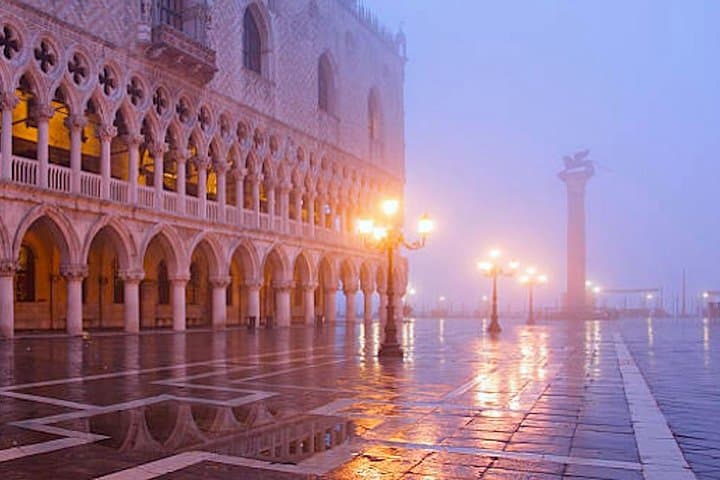
Practicality is part of the experience. The meeting point is the Alilaguna booth at San Marco Giardinetti (in front of Illy Caffè, next to the Royal Gardens); arrive 15 minutes early. The route covers narrow alleys, short bridges, and several public squares—comfortable shoes and a headlamp or phone flashlight are recommended. The tour is rated easy physically, but it moves deliberately; expect standing and short walks on uneven stone. Tours run rain or clear skies, but operators cancel in severe weather. Note: Venice applies occasional access fees on certain dates—check the municipal site if you’re staying off-island.
Culturally, night walking in Venice asks for quiet respect—locals live behind these façades and the silence matters. Conservation is another practical consideration: stick to paths, avoid touching frescoes or doors, and keep noise low. The payoff is immediate: under sodium lamps, facades develop texture; reflections on the canal create frames for photographs; stories land with a clarity that daytime explanations rarely achieve.
For travelers who want compact nightlife with historical depth, this tour delivers: it’s equal parts guided storytelling and close-looking. You leave not only with a list of legends but with a clearer sense of how Venice’s architecture, environment, and social history create the conditions for those legends to persist.
easy.
1–1.5 hours.
Suitable for most fitness levels; expect slow walking and short standing periods.
Meet at the Alilaguna ticket office at San Marco Giardinetti, in front of Illy Caffè next to the Royal Gardens; arrive 15 minutes early.
Yes—this tour is physically easy, but some stories may be unsettling for very young children; discretion is advised.
The tour is typically conducted in English; check the booking page for language options or private-group accommodations.
Operators may cancel in severe weather and offer refunds; light rain usually proceeds—bring a rain jacket and non-slip shoes.
Venice occasionally applies an access fee on certain dates for day visitors; consult the municipal site (cda.ve.it) if you’re staying off-island.
Strollers are allowed but navigating alleys and bridges can be tight; large luggage is not recommended during the walk.
Venice’s urban form grew from a lagoon environment where wooden piles and salt-damaged stone shaped how buildings were constructed and stories propagated.
High visitor numbers and humidity strain Venice’s fabric; tours encourage low-impact behavior—stay on paths, limit touching historic surfaces, and respect local residents.
Bucintoro Viaggi operates guided outdoor trips and adventures with an emphasis on safety, stewardship, and memorable experiences.
The canal water takes on a different character at night: slower, reflective, like a glassy record keeper that keeps the city’s secrets. On a ninety-minute walking tour that starts near San Marco Giardinetti, a guide escorts a small group beneath lamp-light and shadow, pointing out gates, plaques, and doorways that the daytime crowds simply pass.
The canal water takes on a different character at night: slower, reflective, like a glassy record keeper that keeps the city’s secrets. On a ninety-minute walking tour that starts near San Marco Giardinetti, a guide escorts a small group beneath lamp-light and shadow, pointing out gates, plaques, and doorways that the daytime crowds simply pass.
The first steps are ordinary—paved stone, a gondola stop, the distant silhouette of the clock tower—then the guide folds history into rumor. Venice was built on piles of larch driven into silt and salt; that fragile engineering created a city that depends on careful maintenance and contained belief. The stories you hear at night often begin with real events: epidemics, bitter family feuds, and failed constructions—and then acquire a layer of folklore. The Rialto Bridge, seen from Campo San Bortolomeo, becomes less a market artery and more a place that remembers every negotiation and misfortune beneath its arches.
Geology here reads as architecture: lagoon mud supporting palazzi that tilt with time, brick and Istrian stone that darken under moisture. Culture appears in smaller gestures—an unlit doorway with a painted votive image, a plaque commemorating a forgotten patron, whispers about a Chinese wife tied to Marco Polo’s household. These are the kinds of details that transform a walking tour into an excavation of city memory.
Practicality is part of the experience. The meeting point is the Alilaguna booth at San Marco Giardinetti (in front of Illy Caffè, next to the Royal Gardens); arrive 15 minutes early. The route covers narrow alleys, short bridges, and several public squares—comfortable shoes and a headlamp or phone flashlight are recommended. The tour is rated easy physically, but it moves deliberately; expect standing and short walks on uneven stone. Tours run rain or clear skies, but operators cancel in severe weather. Note: Venice applies occasional access fees on certain dates—check the municipal site if you’re staying off-island.
Culturally, night walking in Venice asks for quiet respect—locals live behind these façades and the silence matters. Conservation is another practical consideration: stick to paths, avoid touching frescoes or doors, and keep noise low. The payoff is immediate: under sodium lamps, facades develop texture; reflections on the canal create frames for photographs; stories land with a clarity that daytime explanations rarely achieve.
For travelers who want compact nightlife with historical depth, this tour delivers: it’s equal parts guided storytelling and close-looking. You leave not only with a list of legends but with a clearer sense of how Venice’s architecture, environment, and social history create the conditions for those legends to persist.