THE ADVENTURE COLLECTIVE® · Independent discovery and booking for outdoor travel

A one‑hour, 1.5‑mile stroll along Portland’s Willamette River that blends local ghost stories, urban history and geology. Perfect for evening outings—expect crows, city lights and stops at historic bridges.
A one‑hour, 1.5‑mile stroll along Portland’s Willamette River that blends local ghost stories, urban history and geology. Perfect for evening outings—expect crows, city lights and stops at historic bridges.
Night on the Willamette starts with the river low and black, its surface pinched by city lights that tremble and stretch toward you. You step onto the paved esplanade and the river seems to dare you to read its past—current pushing, bridges arching like ribs, crows perched like small, dark historians.
Verified experiences and guided adventures in the surrounding area.
Operated by Around Portland Tours · Portland, Oregon
Night on the Willamette starts with the river low and black, its surface pinched by city lights that tremble and stretch toward you. You step onto the paved esplanade and the river seems to dare you to read its past—current pushing, bridges arching like ribs, crows perched like small, dark historians.
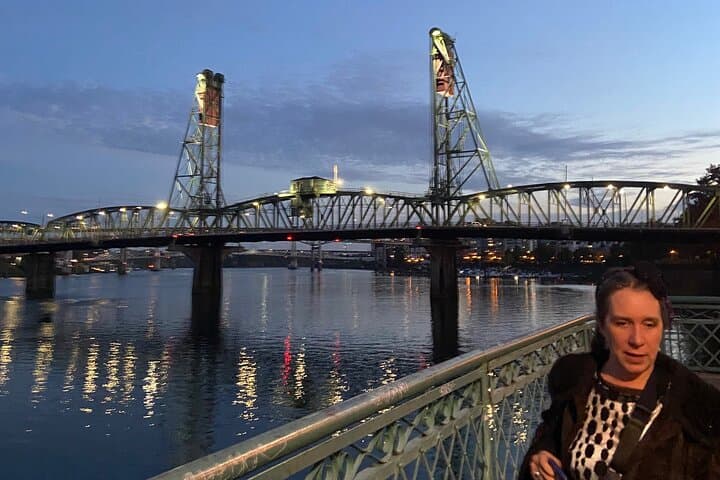
The tour threads 1.5 miles along Portland’s downtown waterfront and pauses beneath the Hawthorne Bridge, Portland’s oldest operating span (opened 1910). Guides weave local lore—stories of late‑season tragedies, the city’s Gothic subcultures and modern storytellers with ties to these banks—into deeper history: the Willamette corridor has supported Chinookan and other Indigenous communities for more than 10,000 years, reshaped by Pleistocene floods and the steady work of human settlement and industry.
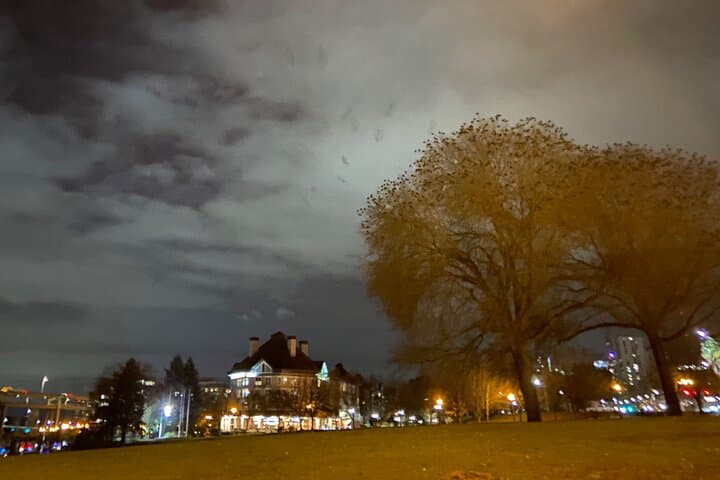
Geology and culture meet here; the river’s slow sediment and occasional sudden floods sculpt the shoreline, while rail yards and warehouses left layered human marks. Expect encounters with the urban fauna—crows scrutinizing the group like sentries, occasional river otters or herons slipping into view—and local recommendations for late-night cafes and bars to continue the mood.
Practicalities: the route is flat and fully paved, wheelchair accessible, and about an hour at an easy walking pace. Bring a warm layer and a small light for after-dark corners; the guide carries a lantern but sidewalks are shared with cyclists. The meeting point is by the benches next to the building with the big neon rose; tours are best at dusk when the river and city lights sharpen the stories.
easy.
1 hour.
Minimal fitness required; comfortable walking ability for about 1.5 miles on mostly flat, paved surfaces.
The walk lasts about 60 minutes and covers roughly 1.5 miles (2.5 km) on flat, paved waterfront paths.
Yes — the esplanade is paved and the tour is listed as wheelchair and stroller accessible; notify the operator of any special requirements when booking.
Dress in layers and bring a windproof jacket; closed‑toe shoes and a small light are recommended for comfort after dark.
Meet at the benches next to the building with the big neon rose on top; guides check names at the start and will carry a lantern.
This stretch of the Willamette has long been a transportation and gathering corridor for Chinookan peoples; modern Portland’s bridges and waterfront infrastructure layered over that deep past, with the Hawthorne Bridge opening in 1910 as a key landmark.
Urban stewardship programs focus on salmon habitat restoration and reducing river pollution; visitors can help by staying on paths and packing out waste to protect river wildlife.
Around Portland Tours operates guided outdoor trips and adventures with an emphasis on safety, stewardship, and memorable experiences.
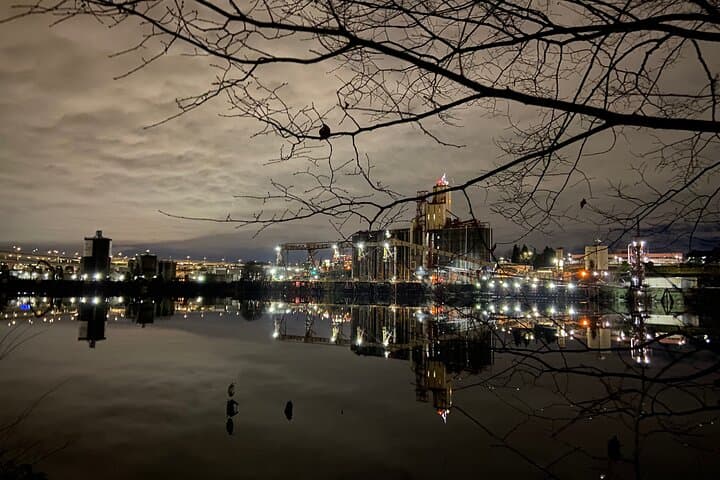
Night on the Willamette starts with the river low and black, its surface pinched by city lights that tremble and stretch toward you. You step onto the paved esplanade and the river seems to dare you to read its past—current pushing, bridges arching like ribs, crows perched like small, dark historians.
Night on the Willamette starts with the river low and black, its surface pinched by city lights that tremble and stretch toward you. You step onto the paved esplanade and the river seems to dare you to read its past—current pushing, bridges arching like ribs, crows perched like small, dark historians.
The tour threads 1.5 miles along Portland’s downtown waterfront and pauses beneath the Hawthorne Bridge, Portland’s oldest operating span (opened 1910). Guides weave local lore—stories of late‑season tragedies, the city’s Gothic subcultures and modern storytellers with ties to these banks—into deeper history: the Willamette corridor has supported Chinookan and other Indigenous communities for more than 10,000 years, reshaped by Pleistocene floods and the steady work of human settlement and industry.
Geology and culture meet here; the river’s slow sediment and occasional sudden floods sculpt the shoreline, while rail yards and warehouses left layered human marks. Expect encounters with the urban fauna—crows scrutinizing the group like sentries, occasional river otters or herons slipping into view—and local recommendations for late-night cafes and bars to continue the mood.
Practicalities: the route is flat and fully paved, wheelchair accessible, and about an hour at an easy walking pace. Bring a warm layer and a small light for after-dark corners; the guide carries a lantern but sidewalks are shared with cyclists. The meeting point is by the benches next to the building with the big neon rose; tours are best at dusk when the river and city lights sharpen the stories.