THE ADVENTURE COLLECTIVE® · Independent discovery and booking for outdoor travel

Walk the haunted corners of Galveston's Strand with a storyteller who ties pirate tales, yellow fever, and the 1900 hurricane into a 90–120 minute evening tour. Expect paved streets, accessible routes, and a guide who cites primary sources.
Walk the haunted corners of Galveston's Strand with a storyteller who ties pirate tales, yellow fever, and the 1900 hurricane into a 90–120 minute evening tour. Expect paved streets, accessible routes, and a guide who cites primary sources.
A Gulf breeze threads through iron storefronts and gaslamps as your group assembles on the Railroad Museum steps at 25th and The Strand. The pavement underfoot is worn flat by generations of travelers; a guide's voice lowers and the island's darker chapters begin to unfold — shipwrecks, pirate raids, wartime hospitals and the stories that survived the 1900 hurricane.
Verified experiences and guided adventures in the surrounding area.
Operated by Spooky Galveston · Galveston, Texas
A Gulf breeze threads through iron storefronts and gaslamps as your group assembles on the Railroad Museum steps at 25th and The Strand. The pavement underfoot is worn flat by generations of travelers; a guide's voice lowers and the island's darker chapters begin to unfold — shipwrecks, pirate raids, wartime hospitals and the stories that survived the 1900 hurricane.
Galveston sits on a low barrier island shaped by tides and storms. Its economy rose with deep-water trade in the 19th century; the Strand was the island's commercial spine. That history left a hard edge — quarrels over salvage, yellow fever outbreaks and the rebuilding after 1900 — all narrated against brick facades and cast-iron fronts.
Culturally the tour leans on local lore and primary accounts: sailors' reports, newspaper clippings and cemetery inscriptions. Geology and weather are part of the story too — the Gulf's currents and seasonal storms define the island's risks and its rhythms. Guides point out architectural scars, flood marks and lesser-known alleys where the city's quieter stories hide.
Practically: expect 1.5–2 hours on paved streets with brief detours; the pace is gentle and the route wheelchair- and stroller-friendly. Small groups (up to ~20) make questions easy. Evening tours heighten atmosphere but bring cooler air and fewer parking options. Wear comfortable shoes, bring a light layer and water, and plan around afternoon thunderstorms in summer. The operator notes photos are shown on the tour and all sales are final — check start location at the Railroad Museum and arrive 10–15 minutes early to avoid missing the group.
easy.
1.5–2 hours.
Suitable for most fitness levels; requires standing and walking for up to two hours on paved streets.
The tour runs about 90–120 minutes and covers roughly 1–1.5 miles of the Strand and adjacent blocks on paved streets.
Yes — the operator lists the tour as wheelchair- and stroller-accessible; some historic doorways or narrow sidewalks may require minor detours.
Infants and small children in strollers are welcome; service animals are allowed but pets are typically not recommended for safety and atmosphere.
All sales are final according to the operator; check weather policies as tours may be canceled for severe conditions.
Galveston rose as a major Gulf port in the 19th century and was transformed by the catastrophic 1900 hurricane; many Strand buildings reflect rebuilding efforts after that storm.
As a low barrier island, Galveston faces erosion and storm impacts; tour operators encourage staying on paved routes and respecting fragile historic sites.
Spooky Galveston operates guided outdoor trips and adventures with an emphasis on safety, stewardship, and memorable experiences.
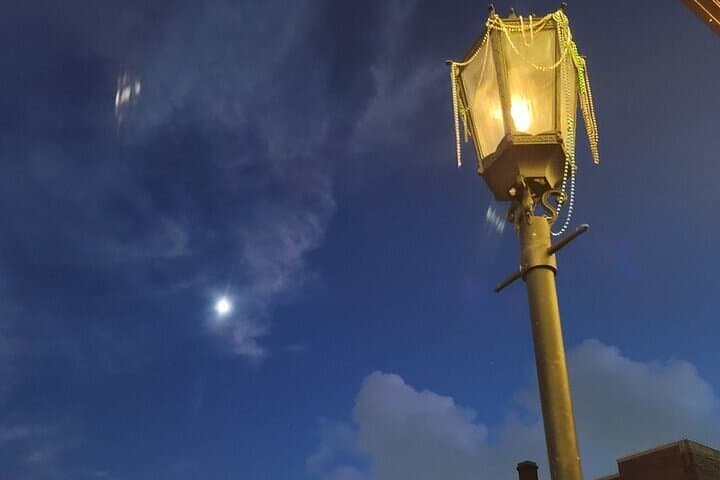
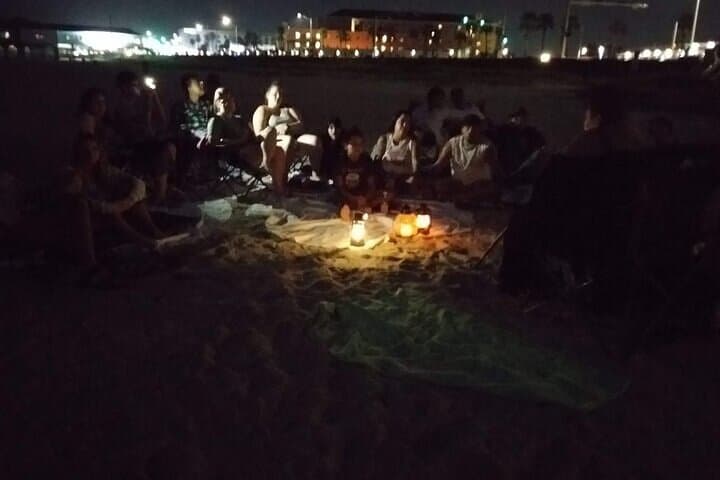
A Gulf breeze threads through iron storefronts and gaslamps as your group assembles on the Railroad Museum steps at 25th and The Strand. The pavement underfoot is worn flat by generations of travelers; a guide's voice lowers and the island's darker chapters begin to unfold — shipwrecks, pirate raids, wartime hospitals and the stories that survived the 1900 hurricane.
A Gulf breeze threads through iron storefronts and gaslamps as your group assembles on the Railroad Museum steps at 25th and The Strand. The pavement underfoot is worn flat by generations of travelers; a guide's voice lowers and the island's darker chapters begin to unfold — shipwrecks, pirate raids, wartime hospitals and the stories that survived the 1900 hurricane.
Galveston sits on a low barrier island shaped by tides and storms. Its economy rose with deep-water trade in the 19th century; the Strand was the island's commercial spine. That history left a hard edge — quarrels over salvage, yellow fever outbreaks and the rebuilding after 1900 — all narrated against brick facades and cast-iron fronts.
Culturally the tour leans on local lore and primary accounts: sailors' reports, newspaper clippings and cemetery inscriptions. Geology and weather are part of the story too — the Gulf's currents and seasonal storms define the island's risks and its rhythms. Guides point out architectural scars, flood marks and lesser-known alleys where the city's quieter stories hide.
Practically: expect 1.5–2 hours on paved streets with brief detours; the pace is gentle and the route wheelchair- and stroller-friendly. Small groups (up to ~20) make questions easy. Evening tours heighten atmosphere but bring cooler air and fewer parking options. Wear comfortable shoes, bring a light layer and water, and plan around afternoon thunderstorms in summer. The operator notes photos are shown on the tour and all sales are final — check start location at the Railroad Museum and arrive 10–15 minutes early to avoid missing the group.