THE ADVENTURE COLLECTIVE® · Independent discovery and booking for outdoor travel

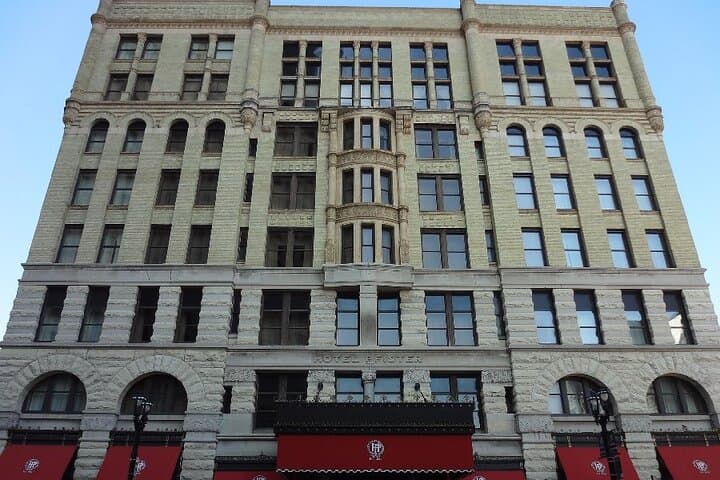
Explore Milwaukee’s Third Ward after dark on a private two-hour walking tour that pairs red-brick architecture with century-old ghost stories. Hear about the 1892 fires, the Pfister Hotel sightings, and neighborhood secrets while moving through intimate alleys and historic pubs.
Explore Milwaukee’s Third Ward after dark on a private two-hour walking tour that pairs red-brick architecture with century-old ghost stories. Hear about the 1892 fires, the Pfister Hotel sightings, and neighborhood secrets while moving through intimate alleys and historic pubs.
Stand beneath the steel streetlamp glow at the Milwaukee Public Market as the river pushes a cool breath through the brick canyons of the Third Ward. The cobbles and warehouse facades feel close enough to touch; your guide’s voice cuts across the sound of passing traffic and the river’s soft insistence, setting a deliberate pace through alleys and old storefronts.
Verified experiences and guided adventures in the surrounding area.
Operated by Travel Curious · Milwaukee, Wisconsin
Stand beneath the steel streetlamp glow at the Milwaukee Public Market as the river pushes a cool breath through the brick canyons of the Third Ward. The cobbles and warehouse facades feel close enough to touch; your guide’s voice cuts across the sound of passing traffic and the river’s soft insistence, setting a deliberate pace through alleys and old storefronts.
This 90–120 minute, roughly two-mile private walk threads history and rumor. Once called the Blood Third, the neighborhood grew from immigrant workshops and rowhouses into a hard-edged mix of hotels, pubs, and small factories. In 1892 a string of catastrophic fires reshaped the district and fed stories of premonitions, sabotage, and restless souls—the Old Saloon and the Pfister Hotel are recurring characters in those accounts.
Architecturally the area is red-brick warehouses, cast-iron details, and narrow service lanes that reveal how commerce and hardship coexisted here. Guides lean into local lore—working-class struggles, Irish and German immigrant networks, and the later cinematic rebirth of the waterfront—while leading you to spots associated with specific hauntings, from basements to narrow stairwells.
Practical notes: expect uneven sidewalks, occasional steps, and quick stops for storytelling and photos. Dress in layers for evening chills, bring steady footwear and a small light, and arrive 10 minutes early to check in at 400 N Water St. The tour finishes near transit and taxis; guides can advise on onward connections. Best taken after dusk for atmosphere, the walk balances urban history with short bursts of spine-tingling storytelling.
moderate.
2 hours.
Comfortable walking fitness; able to stand and walk up to two miles over uneven urban surfaces.
The tour lasts about 90–120 minutes and covers just under two miles with frequent stops for stories and photos.
Yes—children are welcome with adults present; participants should be able to walk short distances and navigate steps and uneven pavement.
Meet in front of the Milwaukee Public Market at 400 N Water St; the walk finishes near public transport and taxi links in downtown Milwaukee.
Tours may be canceled in severe weather; check cancellation policy for a full refund if canceled at least 24 hours before departure.
The Third Ward evolved from 19th-century immigrant workshops and dense housing into a mixed-use warehouse district; the 1892 fires and subsequent rebuilding shaped much of its brick-and-beam character.
The neighborhood’s character depends on preserving historic buildings and responsible tourism—respect private property, minimize noise, and follow guidance from local businesses to reduce impact.
Travel Curious operates guided outdoor trips and adventures with an emphasis on safety, stewardship, and memorable experiences.


Stand beneath the steel streetlamp glow at the Milwaukee Public Market as the river pushes a cool breath through the brick canyons of the Third Ward. The cobbles and warehouse facades feel close enough to touch; your guide’s voice cuts across the sound of passing traffic and the river’s soft insistence, setting a deliberate pace through alleys and old storefronts.
Stand beneath the steel streetlamp glow at the Milwaukee Public Market as the river pushes a cool breath through the brick canyons of the Third Ward. The cobbles and warehouse facades feel close enough to touch; your guide’s voice cuts across the sound of passing traffic and the river’s soft insistence, setting a deliberate pace through alleys and old storefronts.
This 90–120 minute, roughly two-mile private walk threads history and rumor. Once called the Blood Third, the neighborhood grew from immigrant workshops and rowhouses into a hard-edged mix of hotels, pubs, and small factories. In 1892 a string of catastrophic fires reshaped the district and fed stories of premonitions, sabotage, and restless souls—the Old Saloon and the Pfister Hotel are recurring characters in those accounts.
Architecturally the area is red-brick warehouses, cast-iron details, and narrow service lanes that reveal how commerce and hardship coexisted here. Guides lean into local lore—working-class struggles, Irish and German immigrant networks, and the later cinematic rebirth of the waterfront—while leading you to spots associated with specific hauntings, from basements to narrow stairwells.
Practical notes: expect uneven sidewalks, occasional steps, and quick stops for storytelling and photos. Dress in layers for evening chills, bring steady footwear and a small light, and arrive 10 minutes early to check in at 400 N Water St. The tour finishes near transit and taxis; guides can advise on onward connections. Best taken after dusk for atmosphere, the walk balances urban history with short bursts of spine-tingling storytelling.