THE ADVENTURE COLLECTIVE® · Independent discovery and booking for outdoor travel

Walk The Strand after dark to hear Galveston’s most persistent stories: hurricanes, a lost actor, a decapitated engineer and generations of whispered lore. This 90‑minute guided walk pairs history and local myth with practical tips for touring the historic district safely at night.
Walk The Strand after dark to hear Galveston’s most persistent stories: hurricanes, a lost actor, a decapitated engineer and generations of whispered lore. This 90‑minute guided walk pairs history and local myth with practical tips for touring the historic district safely at night.
The Strand sags with history after dark—brick sidewalks still radiate the warmth of daytime crowds while gas-lamp-era facades throw long, nervous shadows. On a ninety‑minute walk you move from storefront to stoop, listening to a guide who names victims and vanquished, and points at windows that seem to breathe.
Verified experiences and guided adventures in the surrounding area.
Operated by Historic Galveston Ghost Tours · Galveston, Texas
The Strand sags with history after dark—brick sidewalks still radiate the warmth of daytime crowds while gas-lamp-era facades throw long, nervous shadows. On a ninety‑minute walk you move from storefront to stoop, listening to a guide who names victims and vanquished, and points at windows that seem to breathe.
Galveston’s Strand was the island’s commercial spine in the 19th century, a busy port district that survived hurricanes, epidemics and the 1900 storm that reshaped the coast. The tour frames that human history against the city’s geology—barrier island sand and salt air—and the culture of a port town where pirates, railroad men and performers passed through. Buildings that once hosted merchants and bawdyhouses now echo with stories: a decapitated rail engineer, a theater actor lost to the sea, and a hotel that claims an endless lobby procession.
Culturally, the walk is as much about memory as fear; guides stitch newspaper accounts, local lore and architectural clues into a living narrative. Expect theatrical storytelling, pausing outside landmarks, and close-quartered walking along The Strand’s storefronts.
Practical guidance: arrive 15 minutes early at 2411 Strand (look for Patrick’s sign), wear sturdy shoes for uneven sidewalks, and bring a small light if you’re uneasy in darker alleyways. The route is wheelchair accessible but involves city sidewalks and brief street crossings—plan accordingly. Summer nights are hot and buggy; fall and spring offer the clearest skies. Keep a respectful distance from private residences and businesses during storytelling; the best encounters here are with history, not with trespass.
easy.
90 minutes.
Suitable for most fitness levels; participants should be able to walk for up to 1.5 hours on sidewalks and brief inclines.
Yes—stories range from spooky to historical; the guide can moderate content for younger children, but parental discretion is advised.
The Strand walk is largely on sidewalks and is wheelchair accessible, though there may be narrow areas and short street crossings—notify the operator of mobility needs when booking.
Meet in front of Patrick’s bar at 2411 Strand under the sign that hangs over the sidewalk; arrive 15 minutes early to check in.
Tours can be canceled due to severe weather—check confirmation details and the cancellation policy for refunds if a tour is called off.
The Strand was Galveston’s 19th‑century commercial port; the Great Storm of 1900 and subsequent rebuilding shaped many of the brick facades you pass on the tour.
The district’s preservation depends on respectful tourism—stay on public walkways, support local businesses, and avoid disturbing historic structures.
Historic Galveston Ghost Tours operates guided outdoor trips and adventures with an emphasis on safety, stewardship, and memorable experiences.
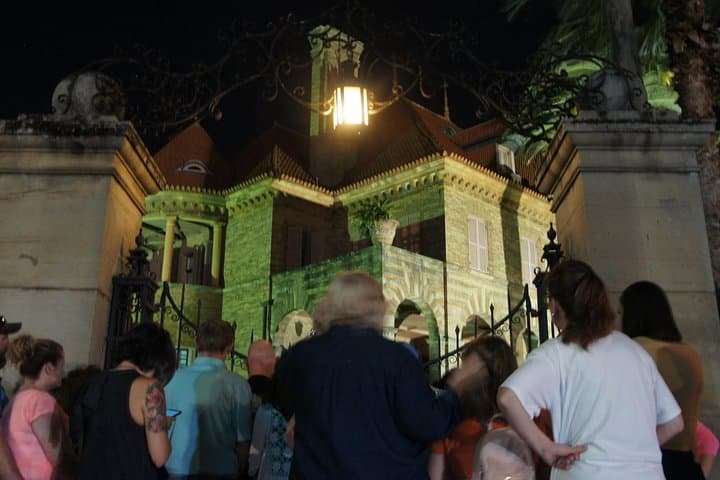
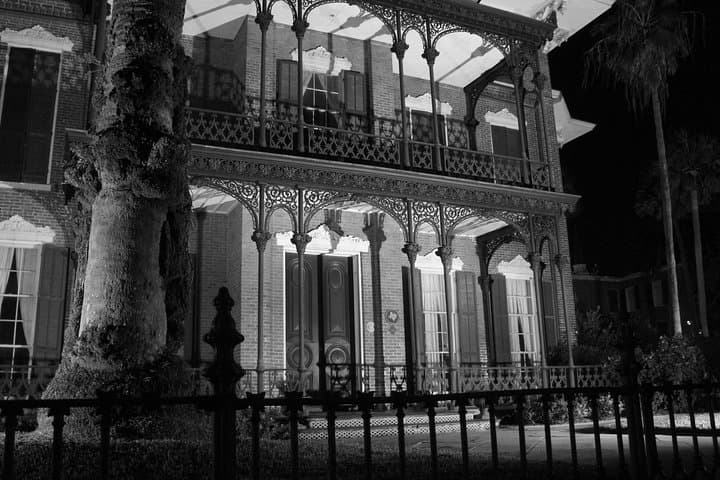


The Strand sags with history after dark—brick sidewalks still radiate the warmth of daytime crowds while gas-lamp-era facades throw long, nervous shadows. On a ninety‑minute walk you move from storefront to stoop, listening to a guide who names victims and vanquished, and points at windows that seem to breathe.
The Strand sags with history after dark—brick sidewalks still radiate the warmth of daytime crowds while gas-lamp-era facades throw long, nervous shadows. On a ninety‑minute walk you move from storefront to stoop, listening to a guide who names victims and vanquished, and points at windows that seem to breathe.
Galveston’s Strand was the island’s commercial spine in the 19th century, a busy port district that survived hurricanes, epidemics and the 1900 storm that reshaped the coast. The tour frames that human history against the city’s geology—barrier island sand and salt air—and the culture of a port town where pirates, railroad men and performers passed through. Buildings that once hosted merchants and bawdyhouses now echo with stories: a decapitated rail engineer, a theater actor lost to the sea, and a hotel that claims an endless lobby procession.
Culturally, the walk is as much about memory as fear; guides stitch newspaper accounts, local lore and architectural clues into a living narrative. Expect theatrical storytelling, pausing outside landmarks, and close-quartered walking along The Strand’s storefronts.
Practical guidance: arrive 15 minutes early at 2411 Strand (look for Patrick’s sign), wear sturdy shoes for uneven sidewalks, and bring a small light if you’re uneasy in darker alleyways. The route is wheelchair accessible but involves city sidewalks and brief street crossings—plan accordingly. Summer nights are hot and buggy; fall and spring offer the clearest skies. Keep a respectful distance from private residences and businesses during storytelling; the best encounters here are with history, not with trespass.