THE ADVENTURE COLLECTIVE® · Independent discovery and booking for outdoor travel

Climb from Ghost Mountain Inn to the ridgeline of Tshaneni on a guided 4‑hour walk that combines sweeping views with the history of the 1884 Battle of Tshaneni. Expect rocky singletrack, local lore from your guide, and a windswept summit outlook.
Climb from Ghost Mountain Inn to the ridgeline of Tshaneni on a guided 4‑hour walk that combines sweeping views with the history of the 1884 Battle of Tshaneni. Expect rocky singletrack, local lore from your guide, and a windswept summit outlook.
A dusted track rises out of the shaded grounds of Ghost Mountain Inn and, within minutes, the scrub opens to a broad slope where the mountain itself seems to watch you back. Wind picks at the tall grasses and the ghostly ridgeline of Tshaneni (Ghost Mountain) cuts a hard silhouette against KwaZulu‑Natal’s wide sky; the trail pulls you up through riverine pockets and rocky outcrops to a ridge that overlooks valley, koppie and the old battlegrounds.
Verified experiences and guided adventures in the surrounding area.
Operated by Ghost Mountain Safaris · Tshaneni, KwaZulu-Natal
A dusted track rises out of the shaded grounds of Ghost Mountain Inn and, within minutes, the scrub opens to a broad slope where the mountain itself seems to watch you back. Wind picks at the tall grasses and the ghostly ridgeline of Tshaneni (Ghost Mountain) cuts a hard silhouette against KwaZulu‑Natal’s wide sky; the trail pulls you up through riverine pockets and rocky outcrops to a ridge that overlooks valley, koppie and the old battlegrounds.
Geology here is straightforward: a modest volcanic and sedimentary mix of the northern Zululand lowveld, with broken basalt outcrops and sandy soils that drain quickly. The summit views give a clear sense of terrain that once shaped movement and conflict — the 1884 Battle of Tshaneni was fought on these slopes and the area carries that layered history of Zulu, colonial and local Tsonga narratives.
On a cultural level the route crosses farmland and village edges; guides often point out medicinal plants and local place names, connecting landscape to lore. Wildlife is subtle: vervet monkeys and birdlife are common, and small antelope may watch from the grasses.
Practical guidance: plan for a steady 3–4 hour round trip on uneven, sometimes steep singletrack with short rock scrambles. Bring at least 1–2 liters of water, sturdy footwear with grip, sun protection and a light rain layer in summer. Start early to avoid midday heat and to catch the clearest views across the battlegrounds. The hike is typically guided from Ghost Mountain Inn — follow the guide’s pace, respect private grazing areas, and leave no trace; the ridge rewards patience with a wide, windswept vantage that makes the climb feel earned.
moderate.
3–4 hours.
Suitable for those with basic fitness who can handle steady uphill walking and short rocky sections; not technical but requires endurance.
The guided walk is about 3–4 hours round trip and is rated moderate — steady uphill sections and uneven ground but no technical climbing.
This Viator product is guided from Ghost Mountain Inn; local guides know the route, cultural context and private land boundaries, so a guide is recommended.
Children can participate but must be accompanied by an adult; expect slower pace and careful attention on rocky sections.
Common sightings include birds (raptors, bushveld species), vervet monkeys and occasionally small antelope; large game is uncommon on this trail.
The slopes above Ghost Mountain overlook the site associated with the 1884 Battle of Tshaneni and carry oral histories linking Zulu and Tsonga communities to the land.
The area is a patchwork of private and communal land; hikers should follow guided routes, avoid disturbing grazing areas and take all waste out to protect fragile lowveld soils and waterways.
Ghost Mountain Safaris operates guided outdoor trips and adventures with an emphasis on safety, stewardship, and memorable experiences.
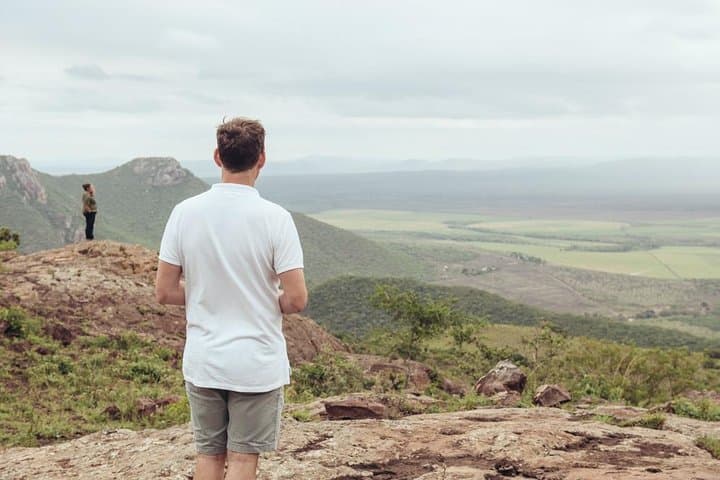
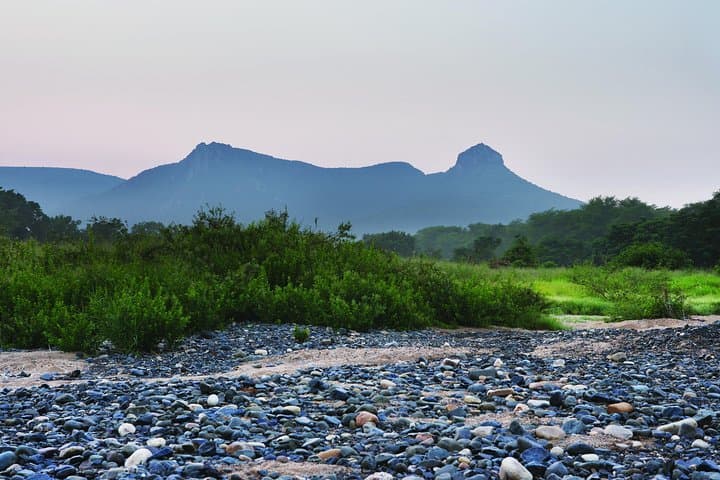
A dusted track rises out of the shaded grounds of Ghost Mountain Inn and, within minutes, the scrub opens to a broad slope where the mountain itself seems to watch you back. Wind picks at the tall grasses and the ghostly ridgeline of Tshaneni (Ghost Mountain) cuts a hard silhouette against KwaZulu‑Natal’s wide sky; the trail pulls you up through riverine pockets and rocky outcrops to a ridge that overlooks valley, koppie and the old battlegrounds.
A dusted track rises out of the shaded grounds of Ghost Mountain Inn and, within minutes, the scrub opens to a broad slope where the mountain itself seems to watch you back. Wind picks at the tall grasses and the ghostly ridgeline of Tshaneni (Ghost Mountain) cuts a hard silhouette against KwaZulu‑Natal’s wide sky; the trail pulls you up through riverine pockets and rocky outcrops to a ridge that overlooks valley, koppie and the old battlegrounds.
Geology here is straightforward: a modest volcanic and sedimentary mix of the northern Zululand lowveld, with broken basalt outcrops and sandy soils that drain quickly. The summit views give a clear sense of terrain that once shaped movement and conflict — the 1884 Battle of Tshaneni was fought on these slopes and the area carries that layered history of Zulu, colonial and local Tsonga narratives.
On a cultural level the route crosses farmland and village edges; guides often point out medicinal plants and local place names, connecting landscape to lore. Wildlife is subtle: vervet monkeys and birdlife are common, and small antelope may watch from the grasses.
Practical guidance: plan for a steady 3–4 hour round trip on uneven, sometimes steep singletrack with short rock scrambles. Bring at least 1–2 liters of water, sturdy footwear with grip, sun protection and a light rain layer in summer. Start early to avoid midday heat and to catch the clearest views across the battlegrounds. The hike is typically guided from Ghost Mountain Inn — follow the guide’s pace, respect private grazing areas, and leave no trace; the ridge rewards patience with a wide, windswept vantage that makes the climb feel earned.