THE ADVENTURE COLLECTIVE® · Independent discovery and booking for outdoor travel

A compact four-day trek from Pokhara that delivers a Himalayan sunrise at Poon Hill, village culture in Ghorepani and Ghandruk, and rhododendron forests along traditional mule tracks. Ideal for hikers with moderate fitness and limited time in Nepal.
A compact four-day trek from Pokhara that delivers a Himalayan sunrise at Poon Hill, village culture in Ghorepani and Ghandruk, and rhododendron forests along traditional mule tracks. Ideal for hikers with moderate fitness and limited time in Nepal.
Dawn on Poon Hill arrives in slow, sharp stages: first a wash of cold blue, then the ridgelines of Annapurna and Dhaulagiri light up like a map being revealed. On this four-day loop from Pokhara, hikers climb through oak and rhododendron forest, cross terraced fields and step into small Magar and Gurung settlements where smoke drifts from stone hearths and tea houses hum with drying socks and steaming dal bhat.
Verified experiences and guided adventures in the surrounding area.
Operated by Trekking Guide Team Adventure · Pokhara, Gandaki Province
Dawn on Poon Hill arrives in slow, sharp stages: first a wash of cold blue, then the ridgelines of Annapurna and Dhaulagiri light up like a map being revealed. On this four-day loop from Pokhara, hikers climb through oak and rhododendron forest, cross terraced fields and step into small Magar and Gurung settlements where smoke drifts from stone hearths and tea houses hum with drying socks and steaming dal bhat.
The route follows traditional mule tracks used for centuries to move grain and salt across the Annapurna foothills. Geologically the trail skirts the southern edge of the Annapurna Massif — ancient uplifted rock, steep valleys carved by glacial melt, and viewpoints that frame Machhapuchhre’s razor profile. Culturally, villages such as Ulleri, Ghorepani and Ghandruk are living communities: expect simple teahouse hospitality, local craft stalls and chance encounters with herders and schoolchildren.
Practically, the trek is designed for hikers with moderate fitness: daily walking time ranges from three to eight hours with the steepest steps at Ulleri and the dawn push to Poon Hill (3,210 m). Permits (ACAP and TIMS) are required and a guide or porter eases logistics. Pack layered clothing for wide temperature swings, bring sun protection and carry cash — remote teahouses take limited payment options. The best windows for crisp sunrise views are clear mornings in spring and autumn; winter is cold but often clear, while monsoon brings lush forests and slippery trails.
Expect rustic lodgings, communal meals and dramatic mountain light — this trek is compact, achievable, and purpose-built to deliver one of the Himalaya’s most rewarding sunrises.
moderate.
3–4 days.
Moderate — regular walkers who can manage repeated elevation gain and long days will be comfortable
The trail is suitable for hikers with moderate fitness; steep stone steps and daily uphill sections require stamina but technical skill is minimal.
Yes — Annapurna Conservation Area Permit (ACAP) and a TIMS card are required and usually arranged by your guide or operator.
Teahouse lodges provide basic dorm or private rooms, shared bathrooms, and hot meals; expect limited electricity and simple hot-water availability.
Spring (March–May) and autumn (September–November) offer the clearest mountain views; winter provides crisp skies but cold nights; monsoon (June–August) is lush but slippery.
The trail follows age-old mule paths linking Annapurna foothill communities; Ghorepani and Ghandruk are long-established Magar and Gurung settlements with distinct cultural practices.
The Annapurna Conservation Area Project (ACAP) manages permits and promotes sustainable tourism; visitors should minimize waste, avoid firewood gathering, and support local teahouses.
Trekking Guide Team Adventure operates guided outdoor trips and adventures with an emphasis on safety, stewardship, and memorable experiences.


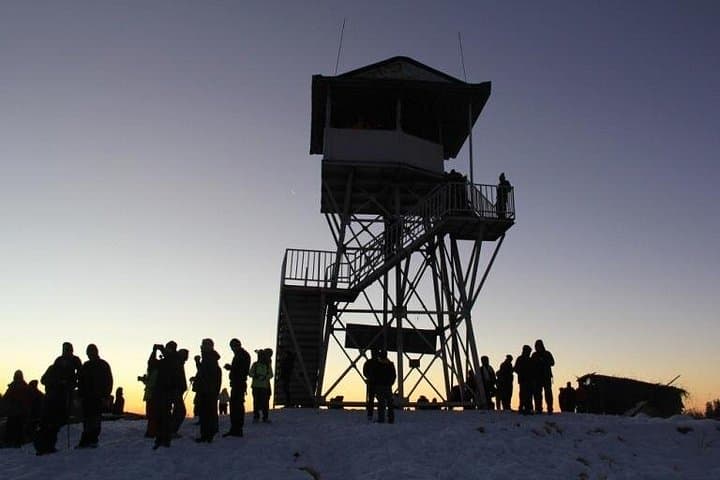
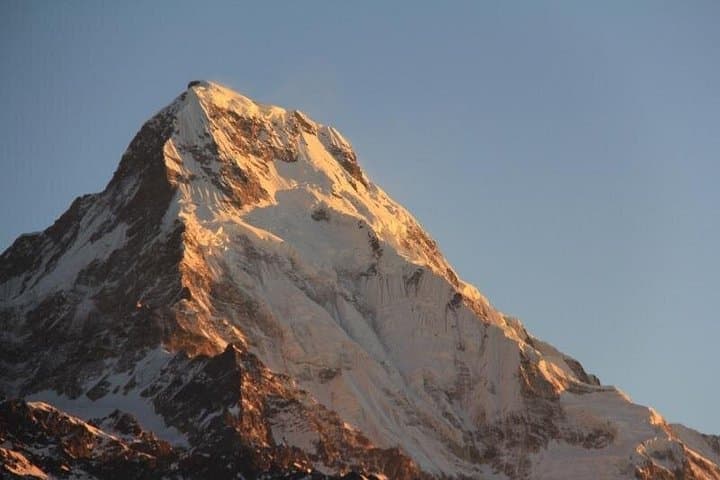
Dawn on Poon Hill arrives in slow, sharp stages: first a wash of cold blue, then the ridgelines of Annapurna and Dhaulagiri light up like a map being revealed. On this four-day loop from Pokhara, hikers climb through oak and rhododendron forest, cross terraced fields and step into small Magar and Gurung settlements where smoke drifts from stone hearths and tea houses hum with drying socks and steaming dal bhat.
Dawn on Poon Hill arrives in slow, sharp stages: first a wash of cold blue, then the ridgelines of Annapurna and Dhaulagiri light up like a map being revealed. On this four-day loop from Pokhara, hikers climb through oak and rhododendron forest, cross terraced fields and step into small Magar and Gurung settlements where smoke drifts from stone hearths and tea houses hum with drying socks and steaming dal bhat.
The route follows traditional mule tracks used for centuries to move grain and salt across the Annapurna foothills. Geologically the trail skirts the southern edge of the Annapurna Massif — ancient uplifted rock, steep valleys carved by glacial melt, and viewpoints that frame Machhapuchhre’s razor profile. Culturally, villages such as Ulleri, Ghorepani and Ghandruk are living communities: expect simple teahouse hospitality, local craft stalls and chance encounters with herders and schoolchildren.
Practically, the trek is designed for hikers with moderate fitness: daily walking time ranges from three to eight hours with the steepest steps at Ulleri and the dawn push to Poon Hill (3,210 m). Permits (ACAP and TIMS) are required and a guide or porter eases logistics. Pack layered clothing for wide temperature swings, bring sun protection and carry cash — remote teahouses take limited payment options. The best windows for crisp sunrise views are clear mornings in spring and autumn; winter is cold but often clear, while monsoon brings lush forests and slippery trails.
Expect rustic lodgings, communal meals and dramatic mountain light — this trek is compact, achievable, and purpose-built to deliver one of the Himalaya’s most rewarding sunrises.